

By Musawir Qureshi
When rain, a symbol of mercy, turns into a force of destruction, it does not merely wash away homes and settlements it also exposes human arrogance, negligence, and poor planning. The torrential rains that have battered Pakistan and Afghanistan over the past several days have once again demonstrated that climate change is no longer a threat of the future; it is the defining reality of our present. If the world continues to ignore this reality, the consequences could become even more catastrophic.
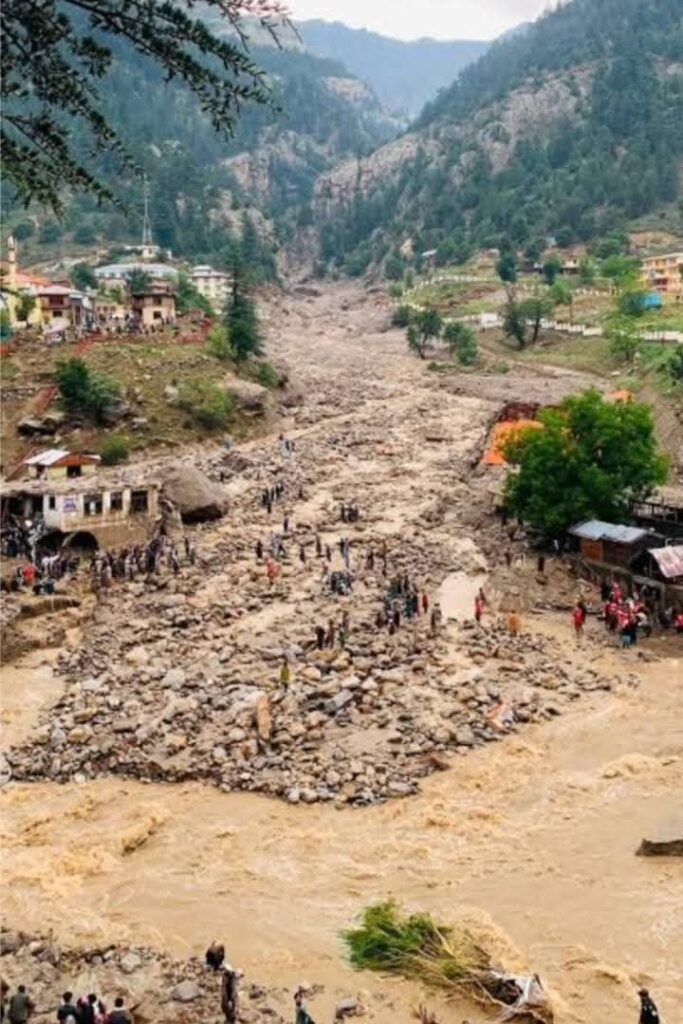
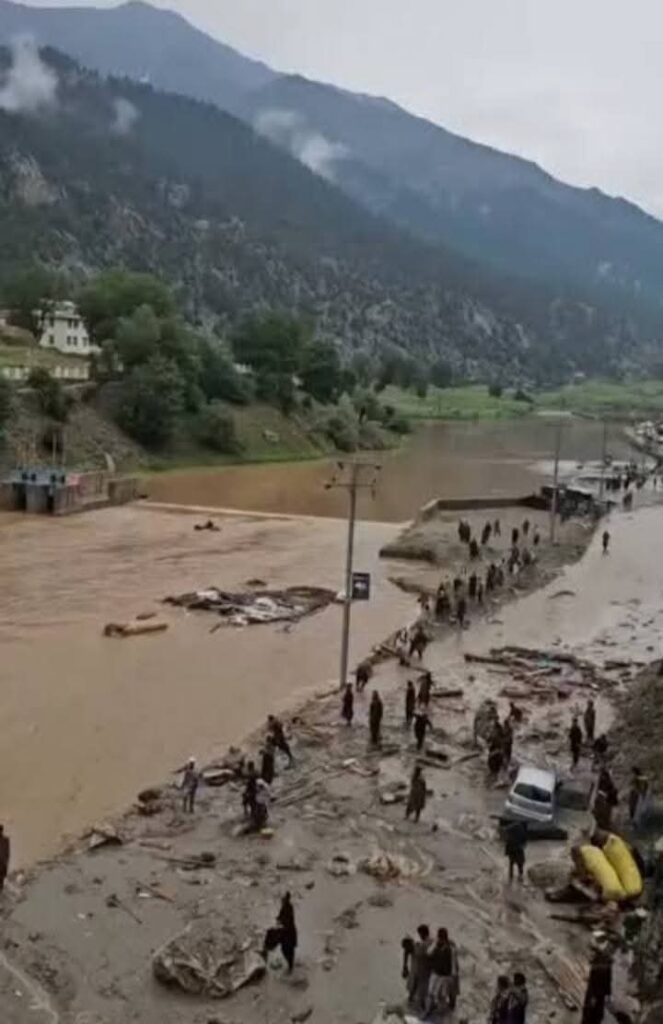
Afghanistan’s picturesque yet mountainous province of Nuristan has been transformed into a scene of devastation. Torrents of floodwater rushing down the mountains swept away entire villages within moments, reducing homes to rubble, destroying standing crops, and separating countless families from their loved ones forever. With roads blocked by landslides and flood damage, rescue and relief operations have been severely hampered, leaving survivors to face mounting hardship with every passing hour.
Across the border in Pakistan, relentless monsoon rains have disrupted life in Khyber Pakhtunkhwa, Punjab, Gilgit-Baltistan, Azad Jammu and Kashmir, and several other regions. Homes have collapsed, bridges and roads have been washed away, thousands of acres of farmland have been submerged, and entire families have been left homeless or have lost their lives. Tragically, this pattern repeats itself almost every year: the monsoon arrives, destruction follows, precious lives are lost, yet meaningful improvements in preparedness, planning, and disaster management remain elusive.
Natural disasters cannot always be prevented, but their impact can certainly be reduced. Unfortunately, unchecked deforestation, illegal encroachments along rivers and streams, poor urban planning, fragile infrastructure, and inadequate disaster management systems have turned heavy rainfall into recurring national tragedies. What we are witnessing is not only the power of nature but also the consequences of human neglect and institutional failure.
For years, climate experts have warned that South Asia is among the regions most vulnerable to climate change. Ironically, Pakistan and Afghanistan contribute only a tiny fraction of global carbon emissions, yet they are paying one of the highest prices for a crisis they did little to create. This is a global injustice that demands not only national action but also stronger international cooperation and climate responsibility.
The time has come for governments to move beyond emergency relief packages, official statements, and expressions of sympathy. They must invest in modern early warning systems, strengthen disaster management institutions, restore forests, build climate-resilient infrastructure, improve drainage networks, and implement comprehensive policies that address the growing challenges of climate change. Pakistan and Afghanistan must also enhance cross-border cooperation, share information, and establish coordinated disaster response mechanisms, because floods recognize neither borders nor political differences.
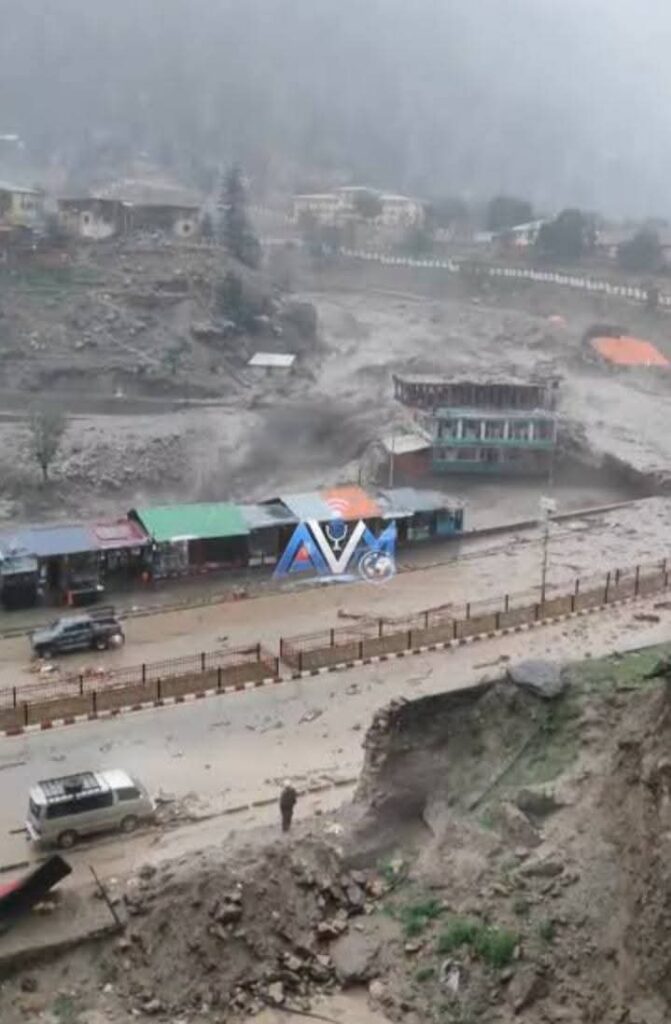
From the shattered homes of Nuristan to the flood-stricken villages of Khyber Pakhtunkhwa, every scene poses the same urgent question: Will we finally wake up? If decisive action is not taken today to protect the environment, restore forests, manage water resources wisely, and confront climate change with seriousness, tomorrow may leave us with nothing but regret.
Nature has been sending warnings for years. The choice now belongs to humanity: to heed those warnings and act responsibly, or to leave future generations at the mercy of even greater disasters.
