


Article/Editorials
World
Education
Sports
KPK
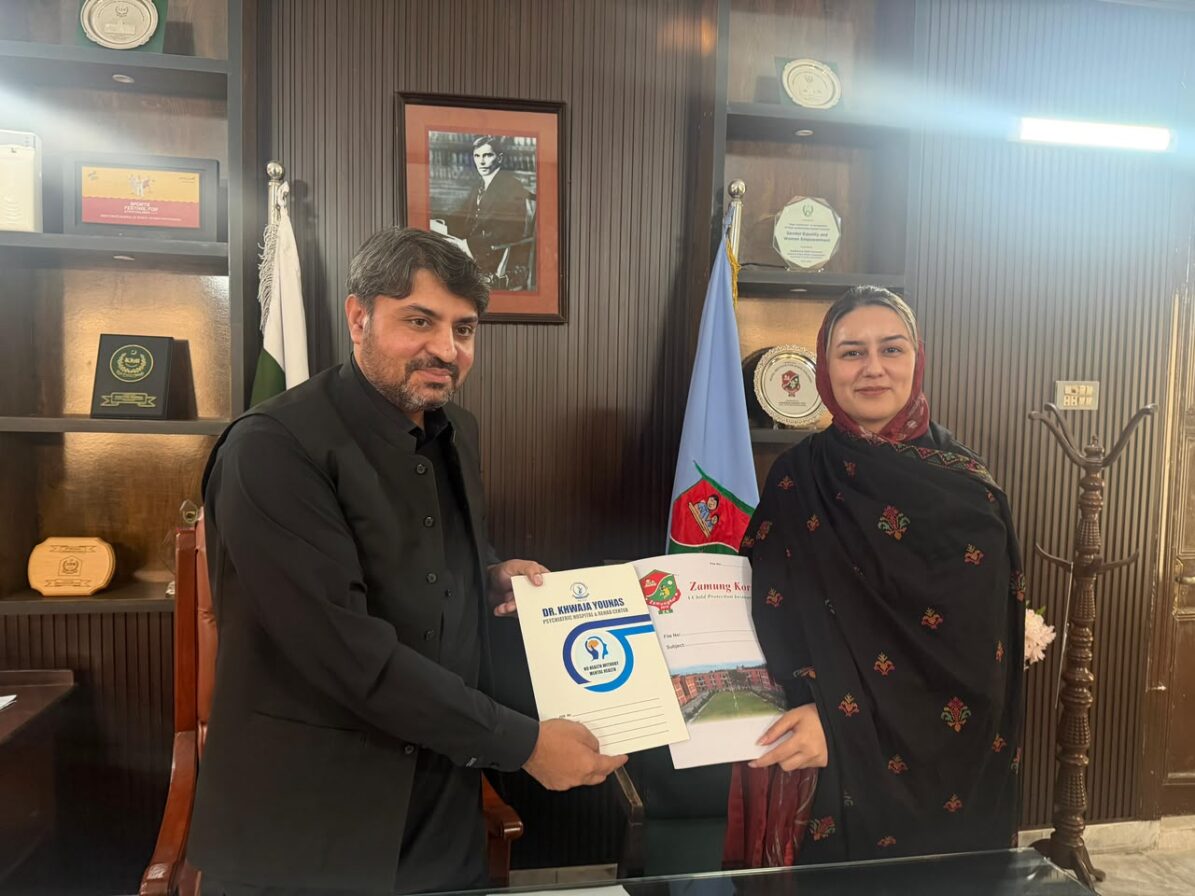
Include Women in Jirga and DRC, Determination of Haq Mehr Is a Woman’s Right: Tabassum Adnan
Anwar Zada Gulyar
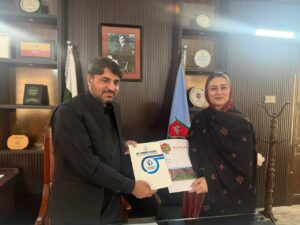
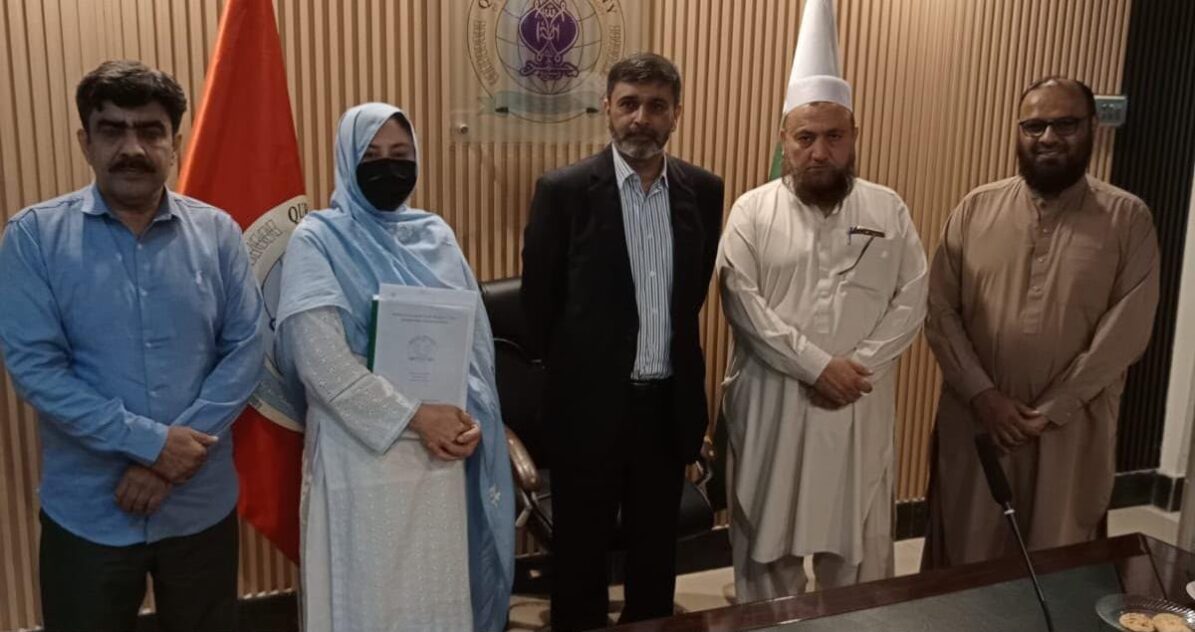
Bajaur: Founder of Pakistan’s first Women Jirga and social activist Tabassum Adnan has said that the formal inclusion of women in the jirga system is an urgent need of the time, as women themselves are better aware of their issues and challenges. She demanded that women be included in the District Resolution Council (DRC) and that the district administration ensure the implementation of this decision.
Tabassum Adnan said that women in tribal and underdeveloped areas face serious difficulties in obtaining their basic rights, while the absence of women’s representation in forums such as jirga and DRC leads to one-sided decisions, which are contrary to justice and Islamic teachings. She said that Islam grants women clear rights, including dignity, inheritance, the right to express opinion, and Haq Mehr, and no one has the authority to restrict or undermine these rights.
Expressing serious concerns over a recent jirga decision in Bajaur, she said that a jirga fixed the amount of Haq Mehr for women at one tola of gold, which is completely unjust. She maintained that no one has the right to determine a woman’s Haq Mehr on her behalf. According to Islamic Shariah, Haq Mehr is the personal right of a woman and should be determined according to her consent and will, with no room for coercion or social pressure.
She further said that it has become a common practice in society for men or family elders to decide the amount of Haq Mehr, which is not only unlawful but also a violation of women’s basic and Islamic rights. Criticizing social attitudes, she questioned what kind of honor it is that women are allowed to visit various centers to receive benefits under the Benazir Income Support Programme (BISP) and other financial assistance, which society accepts, but if they step out to seek their rights through a jirga or any other forum, it is labeled as immorality and against so-called honor.
Tabassum Adnan said that Islam teaches justice, consultation, and the fulfillment of rights, and providing women access to justice is not immorality but a hallmark of a civilized, just, and Islamic society. She urged the government and district administration to ensure women’s inclusion to make the jirga and DRC systems more effective, fair, and in line with the principles of Shariah.
National
Reforms to lift GDP by half percent in 2026
High energy costs and taxes threaten economic gains
TARIQ KHATTAK
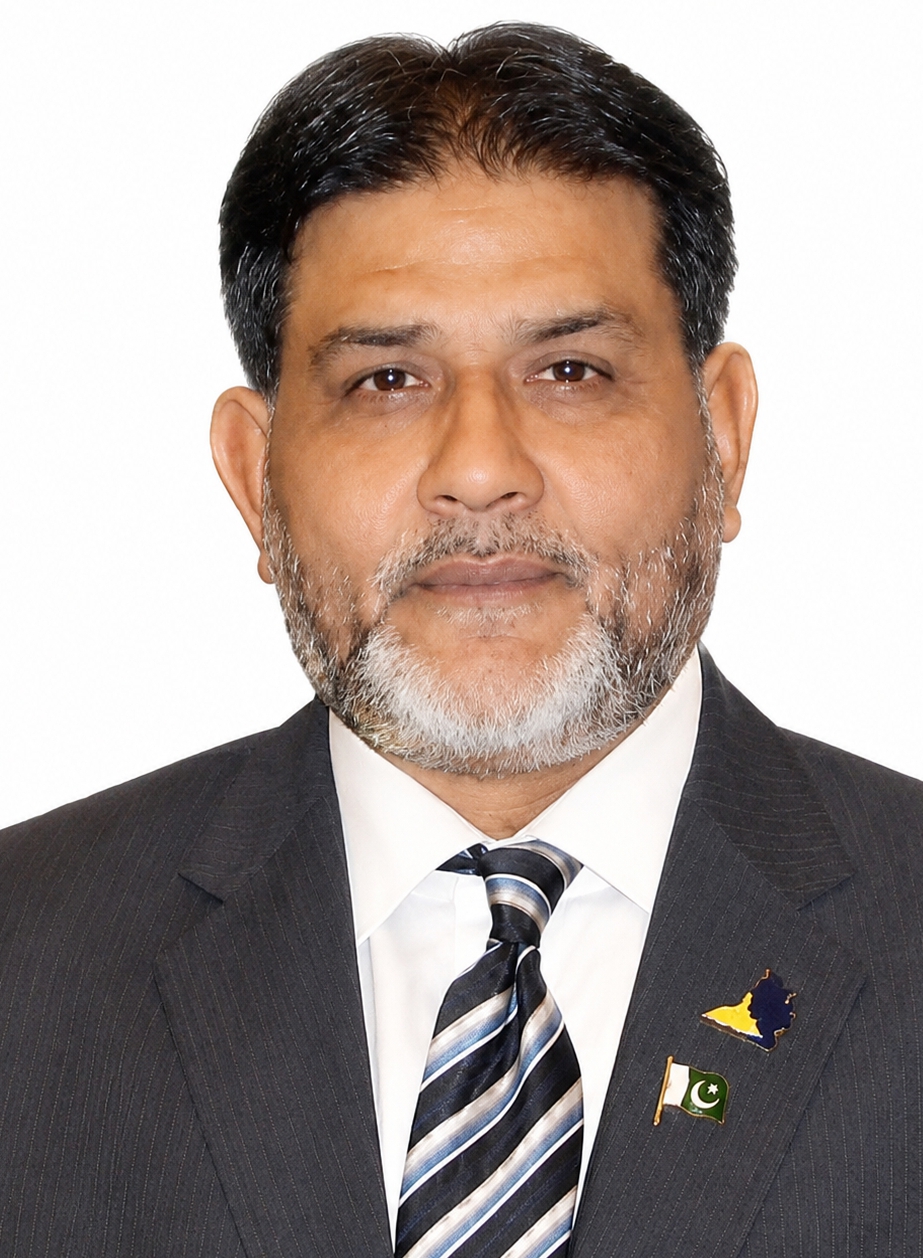
Islamabad: Shahid Rasheed Butt, a business leader and former president of the Islamabad Chamber of Commerce, noted that recent government reforms are beginning to set the economy on a path toward improvement. At the same time, he cautioned that these early signs of recovery may prove short-lived unless both the public and businesses receive timely and tangible relief.
He noted that economic activity has shown initial signs of improvement following the government’s implementation of stabilization measures under the International Monetary Fund programme. Consequently, projections indicate that Pakistan’s GDP growth could increase by up to 0.5 percentage points this year.
He noted that while reforms under the IMF framework have improved key economic indicators such as inflation and interest rates, these gains have come at a high cost to ordinary citizens and businesses. Persistently high energy prices, increased taxes, and subdued demand continue to present substantial challenges.
Butt emphasized that while current indicators suggest a positive trajectory for the economy, sustaining this momentum will require not only the continuation of reforms but also increased private-sector investment and a more supportive business environment. He further suggested that reducing borrowing costs could stimulate credit demand and, in turn, foster broader economic activity.
Butt recognized that the government has extended some relief to the textile industry, a vital export sector, yet he argued that these measures fall short of offsetting the pressures from rising input costs and increased taxation. Without broader and more substantial support, he warned, the competitiveness of industry and prospects for job creation may remain at risk.
He further stressed that unless the benefits of reform are passed on to consumers and the productive sectors, any economic gains are unlikely to be sustained. He urged policymakers to address high power and gas prices, reconsider the current tax structure, and introduce targeted incentives for industry. In his view, such measures are essential to ensuring that the benefits of economic recovery are more widely shared and that growth remains both long-term and inclusive.