
By: Ghani Ur Rehman
Sport is not merely about running on a track, winning competitions or collecting medals. It is a reflection of discipline, courage, perseverance and an unwavering commitment to a goal. In the sporting world, there are individuals who continue to contribute quietly, often without seeking prominent positions, fame or personal benefits. Their efforts may go unnoticed for years, but when athletes succeed and raise the national flag on major platforms, the contributions of such people become visible.
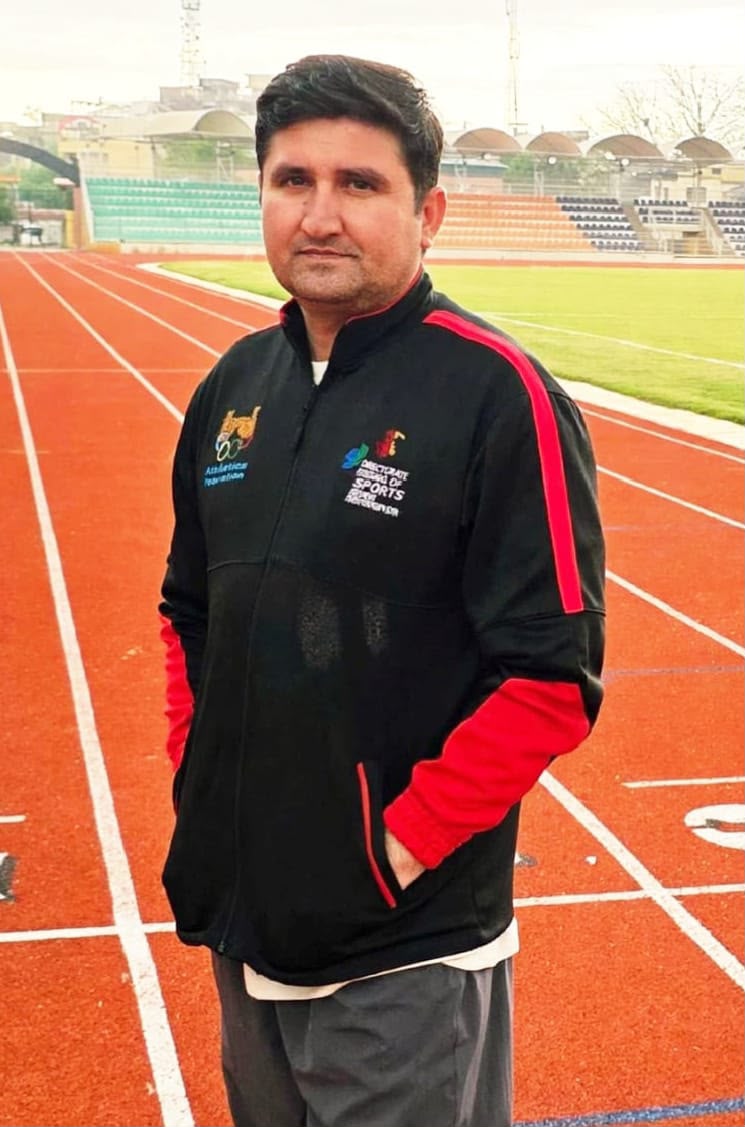
In Khyber Pakhtunkhwa’s athletics landscape, the role of Abid Afridi, a former talented athlete and administrator of Hayatabad Sports Complex Peshawar, deserves recognition in this context.
During his tenure, Afridi not only attempted to improve the administrative environment at the sports complex but also remained focused on promoting athletics and supporting athletes. His association with the sport goes beyond any official position or administrative responsibility.
Over the past several years, he has remained closely connected with athletes, understood the challenges they face and tried to encourage and support them, particularly during difficult periods.
Success in sport never comes easily. An athlete needs quality coaching, proper training facilities, regular competition, exposure and, perhaps most importantly, continuous encouragement. If even one of these elements is missing, talented athletes may struggle to reach their full potential.
Recognising these challenges, Afridi has made efforts to facilitate athletes through coaching, encouragement and support at different stages of their careers. Despite obstacles and limitations, his efforts have remained focused on keeping athletes motivated and providing them with opportunities to move forward.
The real measure of sporting development is not made through claims or announcements but through results on the field. Athletes from Khyber Pakhtunkhwa have demonstrated their potential by winning medals at national-level competitions, while opportunities for the province’s emerging athletes to reach international platforms have also begun to emerge.
One particularly encouraging development has been the inclusion of a Khyber Pakhtunkhwa athlete in Pakistan’s national squad for the World Athletics U20 Championships. Such progress highlights the enormous potential that exists among young athletes in the province.
It also demonstrates that when talented youngsters receive proper training, competitive opportunities and sustained support, they can progress beyond the national level and represent Pakistan on the international stage.
However, it would not be appropriate to attribute such achievements to a single individual. Success in sport is always the result of collective effort involving athletes, coaches, parents, federations, institutions and other supporters. At the same time, the contribution of individuals who stand by athletes during difficult times and help create opportunities for them cannot be ignored.
Khyber Pakhtunkhwa has no shortage of athletic talent. What is needed is a systematic mechanism to identify that talent, provide quality coaching and ensure regular opportunities for athletes to compete at national and international levels.
The province still has many young male and female athletes with the potential to become members of Pakistan’s national teams and make the country proud internationally. With access to modern training facilities, qualified coaches, regular competitions and institutional support, Khyber Pakhtunkhwa can play an even greater role in the development of athletics in Pakistan.
Afridi’s responsibilities, meanwhile, extend beyond athletics. Managing a major sporting facility such as Hayatabad Sports Complex is itself a significant administrative challenge.
Providing athletes and members with a better environment, maintaining discipline, ensuring the organised use of facilities and creating a positive atmosphere for sporting activities are all essential components of a successful sports complex.
When a sports complex has an efficient administrative system, adequate facilities and a clear focus on sporting activities, it becomes much more than a ground or a building. It can become a centre for youth development, talent identification and the building of future champions.
Afridi’s efforts are certainly commendable, but the long-term development of athletics in Khyber Pakhtunkhwa cannot depend solely on the personal efforts of a few individuals. What the province needs is a clear, sustainable and long-term athletics development policy.
Talent identification programmes should be introduced at the school, college and university levels. Promising athletes should receive scholarships, quality training and access to modern facilities. Coaches should be given opportunities for professional development, while athletes selected for national and international competitions should receive comprehensive institutional support.
The history of sport shows that great champions are not created only in major stadiums. They emerge through small opportunities, years of hard work and, often, the encouragement of someone who chooses to stand beside them when circumstances are difficult.
Abid Afridi’s contribution to athletics over the past several years should be viewed in this broader context. The progress of athletes and the emergence of new opportunities provide hope that Khyber Pakhtunkhwa can build a stronger future in athletics.
The real challenge now is to transform individual efforts into a sustainable institutional system. If the province succeeds in doing so, today’s promising young athletes can become tomorrow’s international stars—and raise Pakistan’s flag on the world’s biggest sporting stages.
