
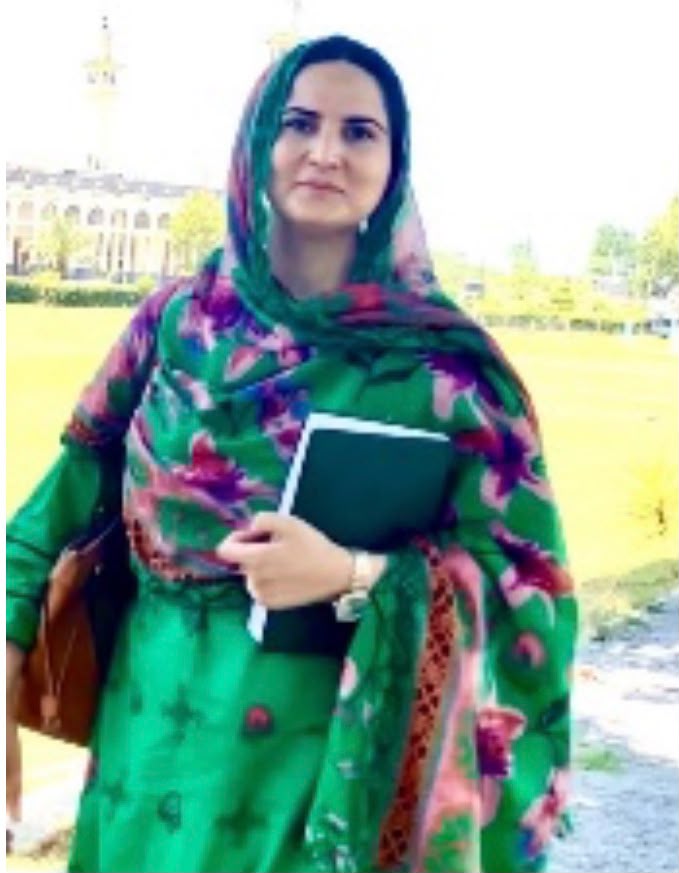
WAJEHA KHAN
Patriotism means affection, pride, and loyalty that a person has towards his country. This include; the deep devotion towards one’s nation people, and its core national values.
In Pakistan, on 14 August the Independence day is celebrated ,and the Patriotism represents simply an obligation to use a green and white flags, hash tags , loud anthems ,boastful slogans, or a picture of crescent and star badges.These objects are not worthless. But true patriotism lies in securing justice and freedom for all people.A country grows strong not by waving green and white flags very high but when the true essence of freedom ,justice and peace are secured and maintained in a country .
Symbols count because the flag can provide a brief solidarity among strangers but a nation is not made of fabric and cloth alone . It is made of creating institutions that can do what is best for them, providing shelters to the people, and standing for their true rights . As Patriotism generates emotions, and memories but in the end if Patriotism is only a gestures, than it becomes a hollow ritual or a mere show to please others publicly and will make our patriotic identity a hollow thing, and that will end and will seem like a lost souvenir.
The act of waving the flag while neglecting problems of corruption, inequity, is not patriotism; it is escapism.
The same cloth can represent the core of freedom and self-respect, or it can become ornamental when the cores and values are seen as being convenient rather than mandatory.
Symbolism matters as green flag can temporarily transform strangers into citizens for the length of a rally. Yet, a country is not ultimately supported by cloth and dye which looks like criticizing of one’s own nation when it fails to meet reasonable expectations, because it is only love that constitutes patriotism not devotion and blind adherence, which are easy honest but difficult and much more useful.
Decorating rooftops and streets with green flag is important because it gestures towards reviving historical tradition, the prospect of a republic that stands true to its dignity .But if that prospect of devotion and dignity is ignored then flag seems like theatre. And if the vision of Quaid -e-Azam is taken seriously and incorporated into everyday life, and in the reforms of the institutions, then the flag feels solid. In Pakistan ,14 August is often reduced to a festival of flag-waving that offers nothing but a superficial display of ‘ patriotism ‘ that happens for one day every year.However, Jinnah’s actual vision of state was based on the power of strong institutions, a merit based society, an independent judiciary,and the equality for all minorities, irrespective of religious beliefs, Similarly, Allama Iqbal’s concept of self-hood was to encourage the intellectual development, the moral responsibility of the self, and scientific advancement.
In conclusion , the true measure of a nation strength is neither found in the of hoisting green flags nor in the loud national anthems. It is best measured by the literacy among its youth, the autonomy of its judges, the respect of the most oppressed, and the freedom of expression enjoyed by its thinkers for the improvement of the society . Reviving the original ideology of Pakistan must, therefore, evolve the green flags into an emblem not merely of decorative items ,but of real change, empowerment, and national commitment.
WAJEHA KHAN
(MPHIL SCHOLAR)
