
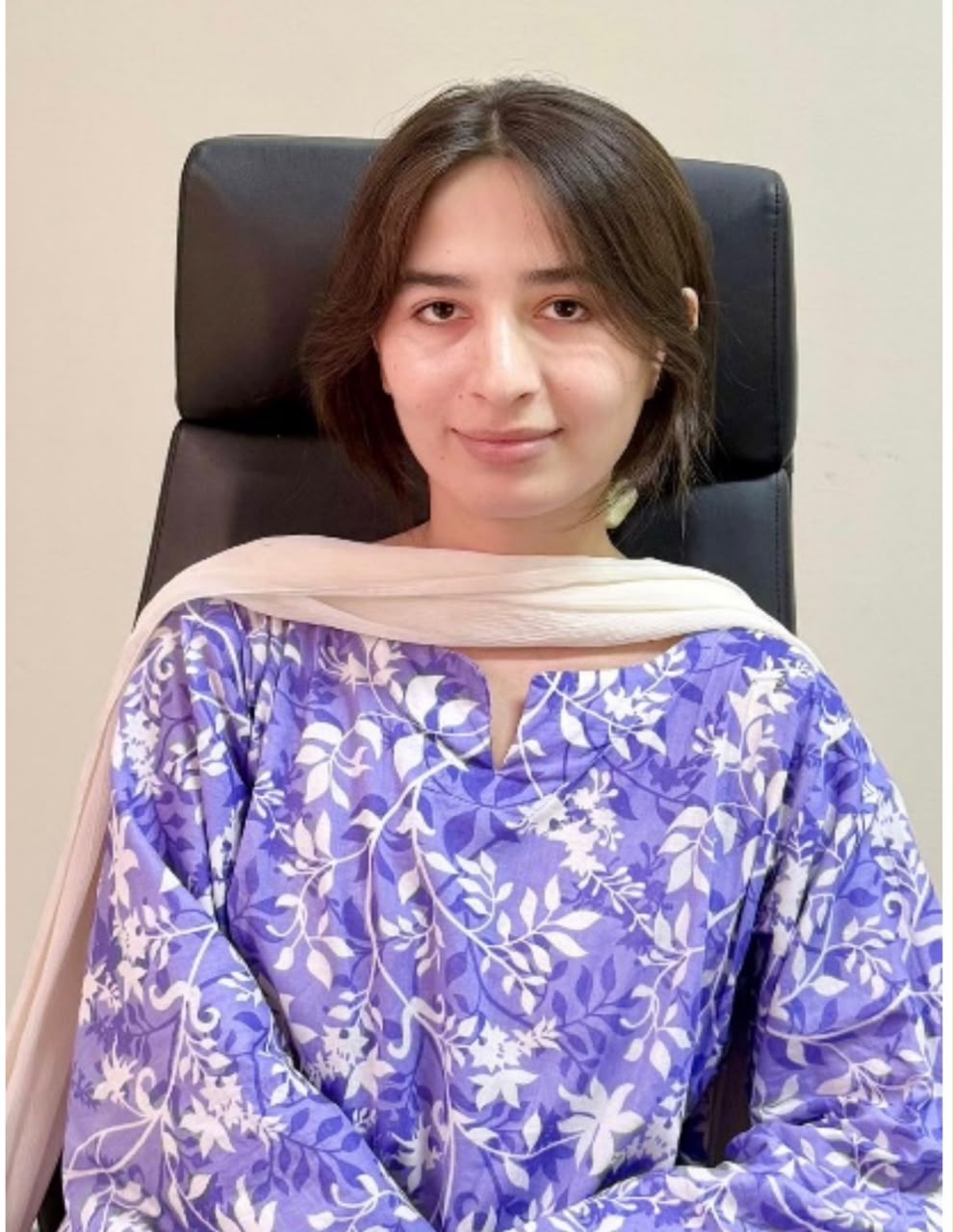
By: Amna Ikram
The area of Gilgit-Baltistan is known for picturesque landscape, agriculture, and its rich cultural heritage. However, it’s unfortunate to observe that today, this natural beauty and culture is being marred by a mushrooming hotel and entertainment industry. Besides, as another side effect of the ill-planned development, farmers in the region are losing their connection to growing crops, and more people are turning to hotel industry instead of focusing on traditional agri-businesses.
Without an iota of consequences, concrete hotels are being built in places where people were used to live, tend their farms, or kept open spaces. Most of the locals now depend on tourism to survive which is not bad if it is done with a right planning.
While it’s true that Gilgit-Baltistan offers only a few job opportunities, people consider tourism as their main source of earning money. Thus, this shift means many are leaving behind farming and other traditional livelihoods replacing it with hospitality industry. Land near tourist destinations has suddenly become a goldmine for locals, with prices skyrocketing overnight.
One may observe that even people who had no real interest in this sector of the economy are now rushing to build hotels, just to grab the opportunity. As a result, once-calm and serene places are now becoming crowded and, at times, unsafe for local people, with different kinds of crimes surfacing in this once-peaceful and safer land. Research on land use in the region confirms this shift is very much real and in districts like Hunza, Nagar, and Ghizer, cultivated and uncultivated land is steadily being converted into commercial, built-up property as households respond to the growing flow of tourists.
A hotel boom is often seen as a sign of prosperity. But in reality, it renders people economically dependent on one source of income: tourism. The unfortunate part of this new economy is that its benefits do not reach the entire community — but the owners, investors, and landowners. The rest of the people, who lack the capital or privilege to build a hotel, face countless challenges to secure a dignified earning.
Agricultural land is being sold for hotel construction, often by people who do not have the capacity to initiate a business of their own. Hence, they sell their land hoping for a better quality of life for their families. Likewise, the money from selling land is rarely enough to replace the livelihood that land once provided. Therefore, food security, traditional livelihoods, and an asset that could have supported future generations have been jeopardized.
The place I call home no longer feels like home and instead, seems like a place designed to attract often unruly tourists. Traditional houses are being replaced by modern hotels and indigenous ways of living are becoming less in practice. Local traditions are becoming something people perform for their visitors, rather than something they naturally live. This is not a personal observation— studies on tourism in the region have found that residents themselves describe a significant dent in cultural values has already been made as outsiders’ expectations begin to shape how traditions are practiced and displayed.
Similarly, as more hotels are built, more natural resources are used, putting increasing pressure on the environment and, ultimately, local people are going to face the real consequences. A single mid-sized hotel consumes enormous amounts of water and generates significant waste every day, multiplied across dozens of rooms and hundreds of guests. Unplanned construction near rivers and mountain slopes has already made parts of the region more vulnerable to environmental damage, and in places like central Hunza, authorities have had to step in and call for a halt on new hotel construction because the pace of building had outrun the land’s capacity to absorb it.
One of the biggest challenges that local families face is that while they may earn more during the tourist season, they also become more vulnerable in a general sense. If anything disrupts tourism such as bad weather, floods, landslides, road closures, economic problems, or travel restrictions, their income disappears with it. A livelihood built on farming can survive a bad season; a livelihood built entirely on visitors cannot survive even a temporarily closed road.
The question here isn’t whether tourism good or bad? but “Is tourism genuinely creating economic security for local people, or is it increasingly making communities dependent on an industry that is beyond their control?” The real cost of the hotel boom is not only the loss of agricultural land, but also the growing pressure on local resources and on a traditional way of life.
In this context, Hunza, a place known for its heavenly beauty, needs tourism that benefits the local community without overwhelming its resources and way of life. It needs responsible tourism — tourism that respects the land, water, and environment. Tourism should fundamentally create opportunities for local businesses, rather than depending merely on outside investors. Most importantly, Hunza needs tourism that protects its culture and quality of life, while still supporting its economy.
The question, therefore, is not whether Gilgit-Baltistan should promote tourism, but whether it can do so without sacrificing its land, water, environment, agriculture, and cultural identity.
It is also imperative for Government of Gilgit-Baltistan to come up with a land-usage policy with clarity on for commercial and tourism-related development while strictly protecting agricultural and residential land. Besides, new hotels and tourism facilities need to be approved only after assessing their impact on water availability and consumption, waste management, traffic flow, and the carrying capacity of a particular area.
It is high time for the government to establish properly planned waste-collection, recycling, and garbage-disposal sites in major tourist destinations instead of allowing waste to enter rivers, streams, and open spaces. Also, explicit regulations ought to be introduced to disallow such constructions along riverbanks, agricultural land, unstable slopes, and environmentally sensitive areas. Likewise, every new hotel should be required to demonstrate an adequate water and wastewater-management system before receiving NOC from the concerned departments.
Lastly, the Government must ensure that a meaningful share of tourism-related employment, procurement, and investment opportunities reaches local communities rather than concentrating benefits among outside investors and a small number of landowners. And, most importantly, the relevant departments should evolve a long-term tourism and land-use policy for Hunza and other tourist destinations that protects the region’s natural resources and traditional livelihoods while allowing responsible tourism to get promoted. These considerations are no longer for the future; they are policy decisions that need to be addressed today if Gilgit-Baltistan is to remain a place where people can live, work, farm, and prosper, not merely a destination for tourists, which would also be losing its charm if ill-planned tourism remains unchecked.
* • The author is an environmental science student at Bahria University Islamabad and part of an internship program at Freedom Gate Prosperity (FGP), an Islamabad non-profit national organization.
