
AMEER MAUVIA
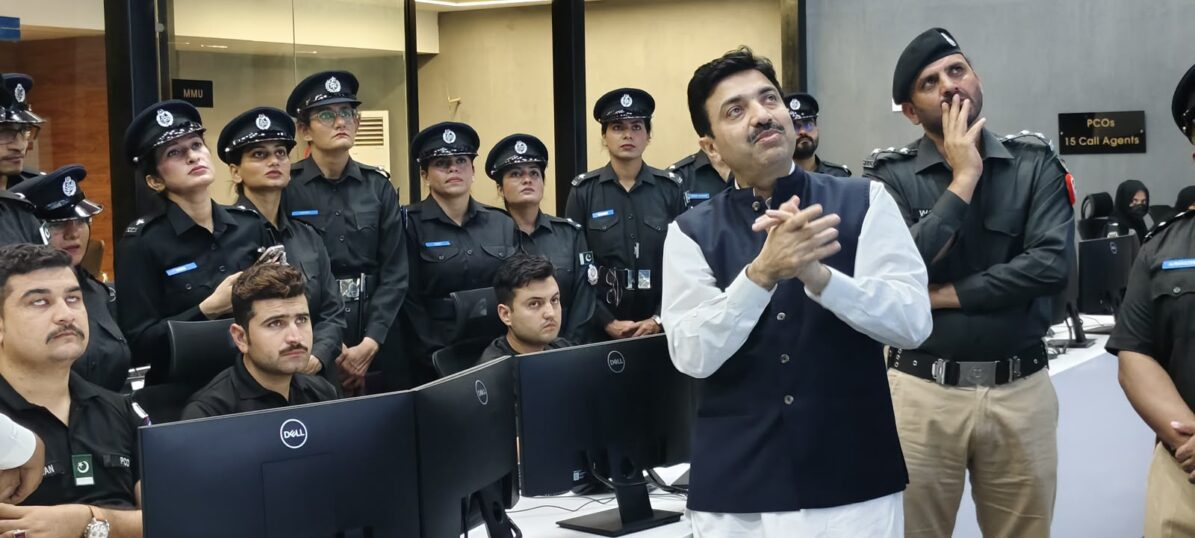
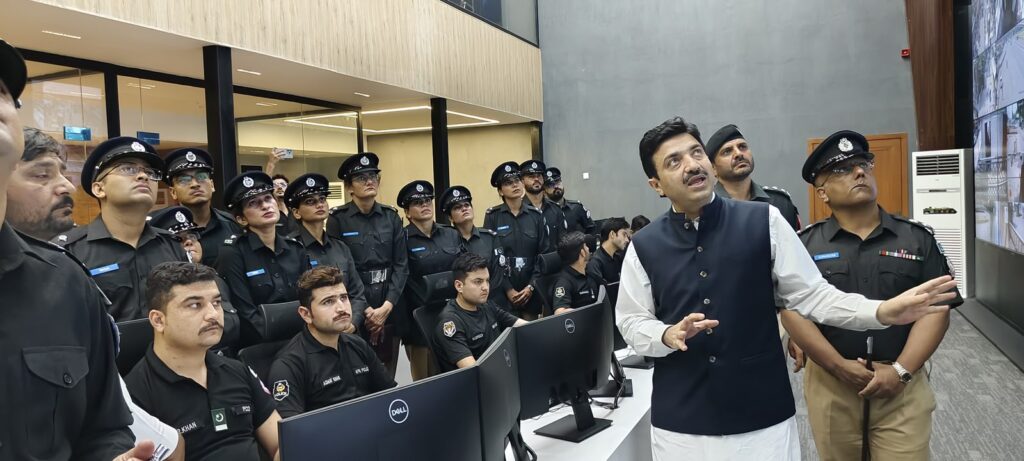
PESHAWAR: Thirty-three DSPs of the Sindh Police undergoing training visited the Safe City Peshawar Command and Control Centre on Friday to study the use of modern technology in policing, crime prevention and public safety.
The delegation, led by SSP Aurangzeb, was briefed by Safe City Project Director DIG Ejaz Ahmed on the objectives, working mechanism and effectiveness of the project.
DIG Ejaz Ahmed said the Safe City system was playing an important role in preventing crime, identifying suspects, monitoring incidents and supporting police investigations through modern technology. He said the integrated system provided technical assistance to police in timely monitoring, response and investigation of different incidents.
During the visit, the trainee officers inspected various sections of the Command and Control Centre and observed the modern surveillance and monitoring systems in operation.
The officers were briefed on the use of Automatic Number Plate Recognition (ANPR), facial recognition, thermal cameras, surveillance cameras and other integrated systems. They were also informed about the monitoring of major roads, sensitive locations and different areas of the city through the Command and Control Centre.
DIG Ejaz Ahmed explained the mechanism of 24/7 monitoring, coordination with field police, surveillance of incidents and timely sharing of information with relevant police units. He also briefed the delegation on the achievements of Safe City Peshawar and the practical use of technology in action against criminal elements.
The officers were further briefed on plans to establish Safe City projects in other districts of Khyber Pakhtunkhwa and expand the use of modern technology at the district policing level.
The visiting DSPs appreciated the use of modern technology, integrated monitoring systems and the role of Safe City Peshawar in crime prevention and investigation.
At the conclusion of the visit, DIG Ejaz Ahmed presented commemorative shields to the trainee officers and expressed hope that the knowledge gained during the visit would contribute to their professional development.
