
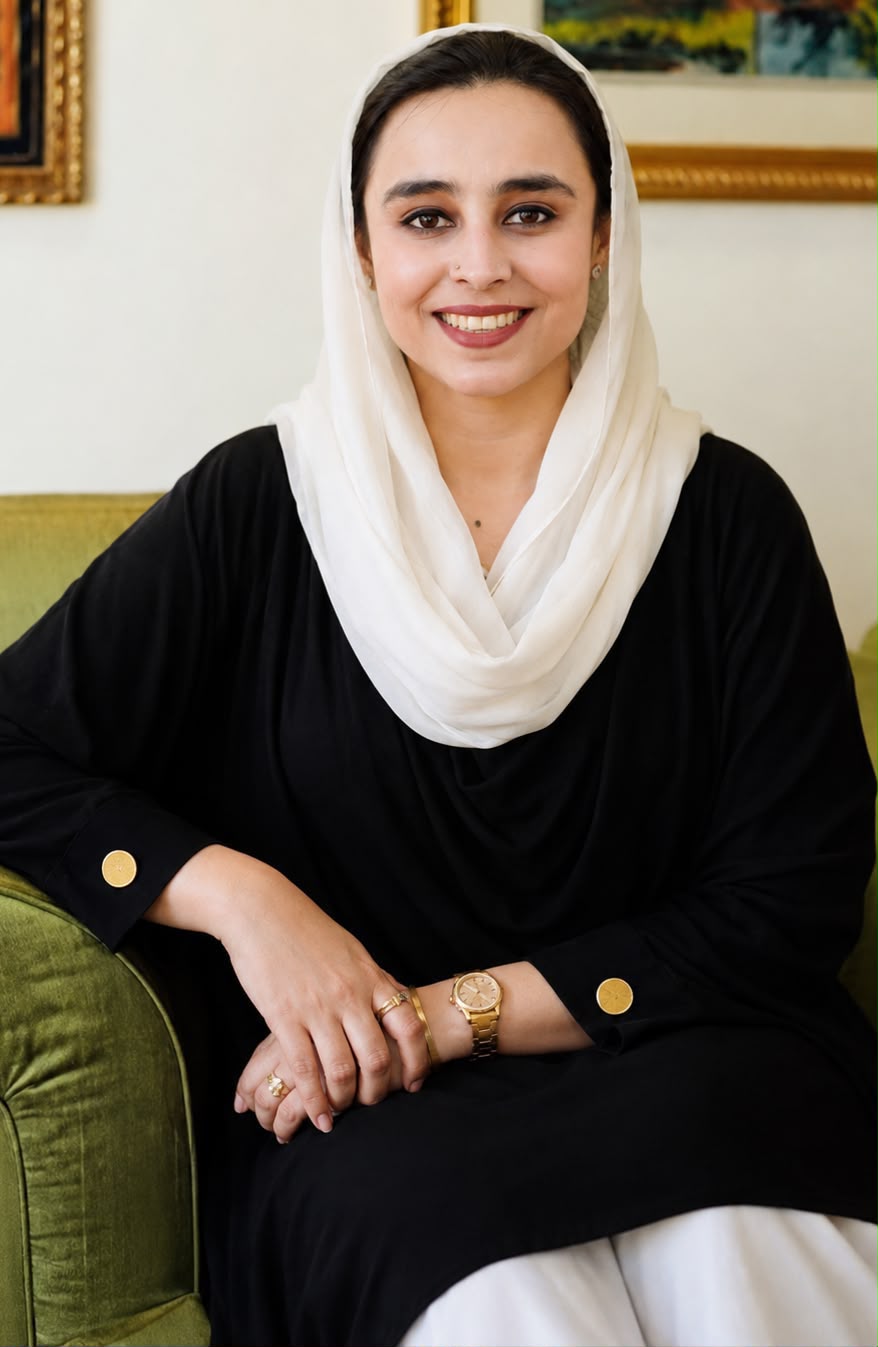
By: Farishta Noor
Behind the Serena hills and green mountains of
Division Malakand, many women live with a little fear in their
hearts . This fear has a harsh name known as gender-based violence,
or GBV. It includes domestic violence, forced and early marriage,
honour-killing , harassment, and ignorance of basic fundamental rights
such as education, right of inheritance, and free movement.
Malakand division, which comprises of 10 districts like Swat, Buner,
Dir, Shangla, Chitral and Malakand itself, is largely rural and
conservative. Ancient customs still shapeour daily lifestyle. In
majority of households, decisions regarding girl’s /females marriage,
education, or even her right to leave the house are made by male folk
of the family . When a woman resists or show rebellion against any of
this decision , she often faces brutal consequences sometimes verbal,
sometimes physical and sometimes in form of honour killing.
Women rights advocates and professional who work on women’s
issues in the region target to one common pattern that most of the
cases regarding violence never get reported or women can’t speak
about because of the (tabo khalk ba sa Waii) what will people say.
Women because of fear shame for their family reputation pref to stay
silent , In some case loss of support from relatives immediate family
the are threshold to speak about it, or further violence if they speak up.
Many also do not trust the Levine force or courts, since local jirgas
(informal councils of elders) often settle such matters quietly, without
justice for the victim. In Malakand division rural women face several
linked problems. These include lack of a support system, poor
transport facilities, few job opportunities, low education levels, and no
ownership of land or property.
GBV in Malakand does not always mean a single dramatic event. It
often shows up in small, repeated ways:
1. A girl pulled out of school to be married early.
2. A wife not allowed to visit her parents without permission.
3. A woman denied her legal share of family land.
4. Harsh punishment for “disobedience” at home.
5. Threats or violence when a woman works outside the house.
In rare but serious cases, the violence turns extreme. Cases of honour-
related killings have also been reported from parts of Khyber
Pakhtunkhwa, including Malakand, showing how far such violence
can go when it is not controlled early. Several reasons keep this cycle
going. Poverty and lack of awareness and now climate change forces
families to marry off daughters early, seeing it as one less mouth to
feed. Weak enforcement of laws means offenders rarely face real
punishment. Local jirgas sometimes protect the accused instead of the
victim. And a general silence around the topic means young people
grow up thinking such treatment of women is normal. Signs of hope
Not everything is bleak. Civil society groups and some government
programmes are slowly working to change attitudes in Malakand.
Awareness sessions in schools, support for girls’ education, and small
community programmes on women’s rights are being introduced step
by step. Local women councillors and activists have also started
raising their voices publicly, something rare in the past.
