
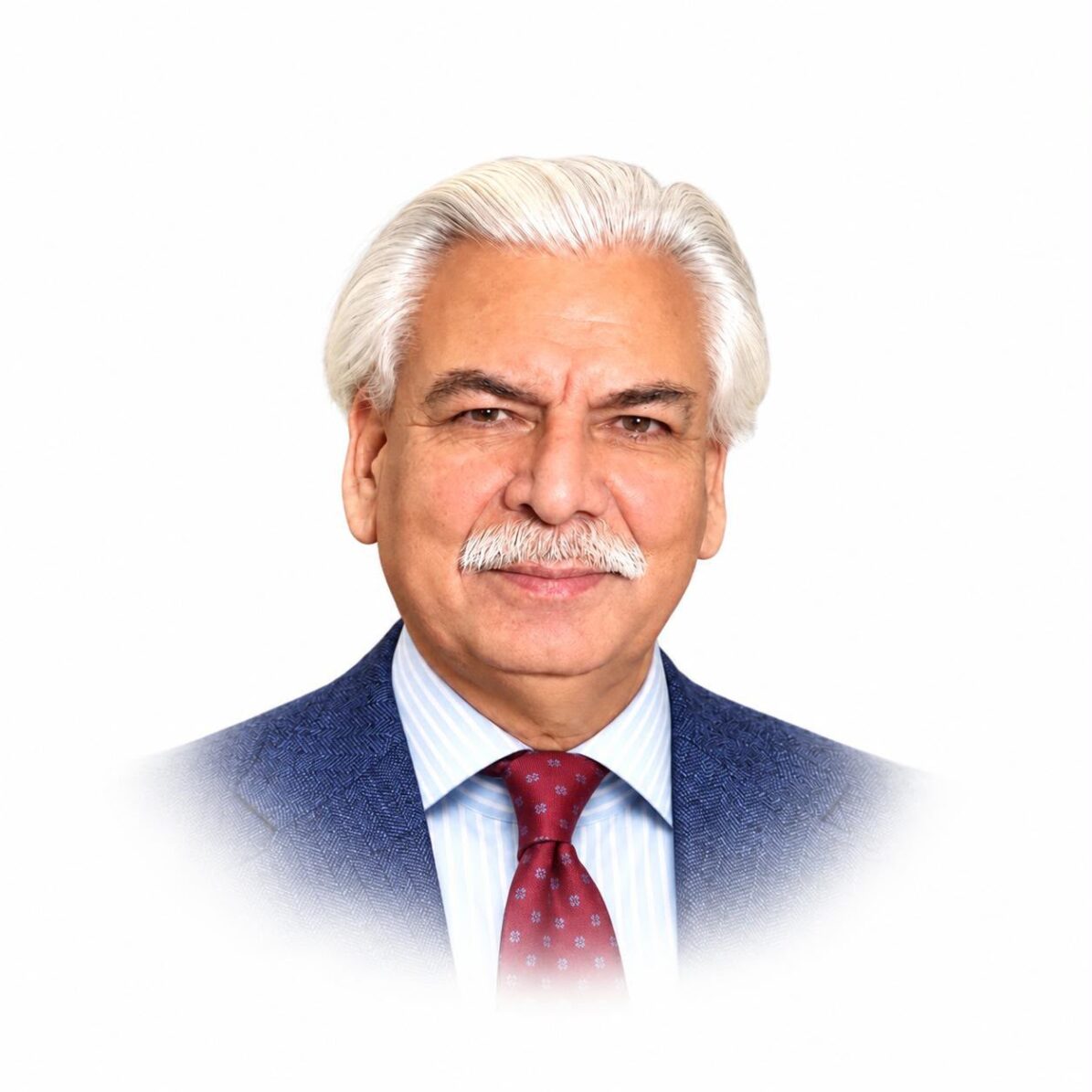
Barrister Usman Ali, Ph.D.
The imposition of Governor’s Rule and a state of emergency in Khyber Pakhtunkhwa has raised expectations of meaningful change. At its first meeting, the Provincial Apex Committee pledged stronger counterterrorism coordination and improved public services. Yet replacing officials or forming advisory councils is no guarantee of reform. What matters is a clear action plan, defined responsibilities and measurable results. The province needs solutions, not another round of political rhetoric.
For ordinary citizens, good governance means safety, employment, functioning schools, accessible healthcare and timely salaries and pensions. Development projects must improve daily life rather than generate headlines. These are the standards by which the new administration should be judged.
Meeting these expectations requires an honest assessment of the past. Since 2013, Pakistan Tehreek-e-Insaf (PTI) has dominated provincial politics. Its record raises serious questions about financial management, institutional weaknesses and political confrontation. An independent review should establish what went wrong and why. However, past failures cannot justify present inaction. The public deserves accountability, not political victimization, and progress, not blame games.
Governor’s Rule is an extraordinary, constitutionally limited arrangement. No temporary administration can resolve every longstanding problem, but it can restore institutional discipline, establish priorities and lay foundations for future elected governments.
Security must lead this effort. Terrorism has inflicted devastating human and economic losses on Khyber Pakhtunkhwa. The federal government cites deteriorating security as a principal justification for Governor’s Rule. The sacrifices of civilians and security personnel demand decisive action. Police and counterterrorism agencies need better training, equipment and coordination. Intelligence sharing must improve, terrorist financing must be disrupted, and public confidence restored in affected communities. All measures must respect constitutional rights and the rule of law.
Lasting peace, however, requires economic opportunity alongside security operations. Young people in conflict-affected areas need vocational training, employment and support for small businesses. Rural roads, irrigation, agriculture and local markets require rehabilitation. Local communities should help determine priorities, particularly in merged and underdeveloped districts.
Education is equally vital to rebuilding the province. Several public universities face financial distress, with delayed salaries and pensions at institutions such as the University of Peshawar reflecting a deeper crisis. The Higher Education and Finance Departments, university administrations and independent auditors should examine liabilities, spending and administrative decisions. Legitimate dues require urgent payment, supported by transparent recruitment, financial discipline and sustainable funding reforms.
Schools need similar attention. District-level assessments should identify teacher shortages, nonfunctional buildings and inadequate water, electricity and sanitation. Girls’ education, enrolment, attendance and learning outcomes require regular monitoring, with disadvantaged districts receiving priority resources.
Healthcare presents another urgent challenge. Hospitals and basic health units face complaints of shortages of staff, medicines and functioning equipment. Medical staff disputes further burden patients. PTI’s Sehat Card programme deserves an independent audit of expenditure, payments and alleged irregularities, without disrupting patient services.
Alongside financial scrutiny, the Health Department must improve emergency care, maternal and child health, essential medicine supplies and staffing, especially in remote communities. Legitimate concerns of doctors and healthcare workers also deserve prompt attention. Better working conditions contribute directly to better patient care.
Beyond these sectors, clean drinking water, sanitation, drainage, roads and employment need practical, district-specific plans. Every project should reflect local needs, available resources and achievable targets.
None of these reforms can succeed without transparent accountability. Government contracts, appointments, payments and development spending should be open to public scrutiny. Alleged corruption under previous administrations must be independently investigated, but political affiliation alone cannot establish guilt. Proven wrongdoing should invite lawful, impartial action, while baseless accusations must never become instruments of revenge. The current administration must face the same scrutiny.
To strengthen oversight, finance, planning, anti-corruption and audit authorities should publish project costs, expenditures, progress and delays. Investigations must continue regardless of political transitions.
A public performance portal could make accountability visible. Citizens should know how many outstanding payments have been cleared, schools reopened, healthcare facilities improved, projects completed and complaints resolved. Independent verification would establish credible benchmarks for both current and future governments.
Reform also demands cooperation beyond party lines. Experienced leaders, including Aftab Ahmad Khan Sherpao, Asfandyar Wali Khan and Maulana Fazlur Rehman, alongside all major parties, should be consulted. Political differences must not obstruct collective efforts to address provincial challenges.
Professional expertise is equally important. Educationists, retired civil servants, doctors, engineers, economists, legal experts and business leaders should join merit-based reform committees. Women, young people and remote communities must have meaningful representation. Committees need clear responsibilities, deadlines and authority to turn recommendations into action.
Immediate relief and long-term reform require distinct timelines. Outstanding salaries, pensions, essential medicines and urgent public services need prompt attention. Education, healthcare, economic recovery and institutional accountability demand sustainable strategies. Each initiative must identify funding, responsible agencies and measurable outcomes, with implementation records transferred to the next elected government.
Throughout this process, constitutional boundaries must be respected and elected democratic governance restored. The governor and his team may document previous failures, but criticism cannot replace performance. Their legacy will depend on institutions strengthened and services delivered.
The people of Khyber Pakhtunkhwa have endured immense hardship and sacrifice. They deserve communities where citizens feel safe, teachers can teach, patients receive treatment, young people find dignified employment, and employees and pensioners receive their rightful dues without protest.
A temporary administration cannot solve everything. But honest leadership, clear priorities and transparent accountability can build lasting foundations. Its greatest achievement would be leaving behind stronger institutions and workable reforms upon which future elected governments can build.
Khyber Pakhtunkhwa needs more than promises. It needs results that endure beyond the administration delivering them.
