
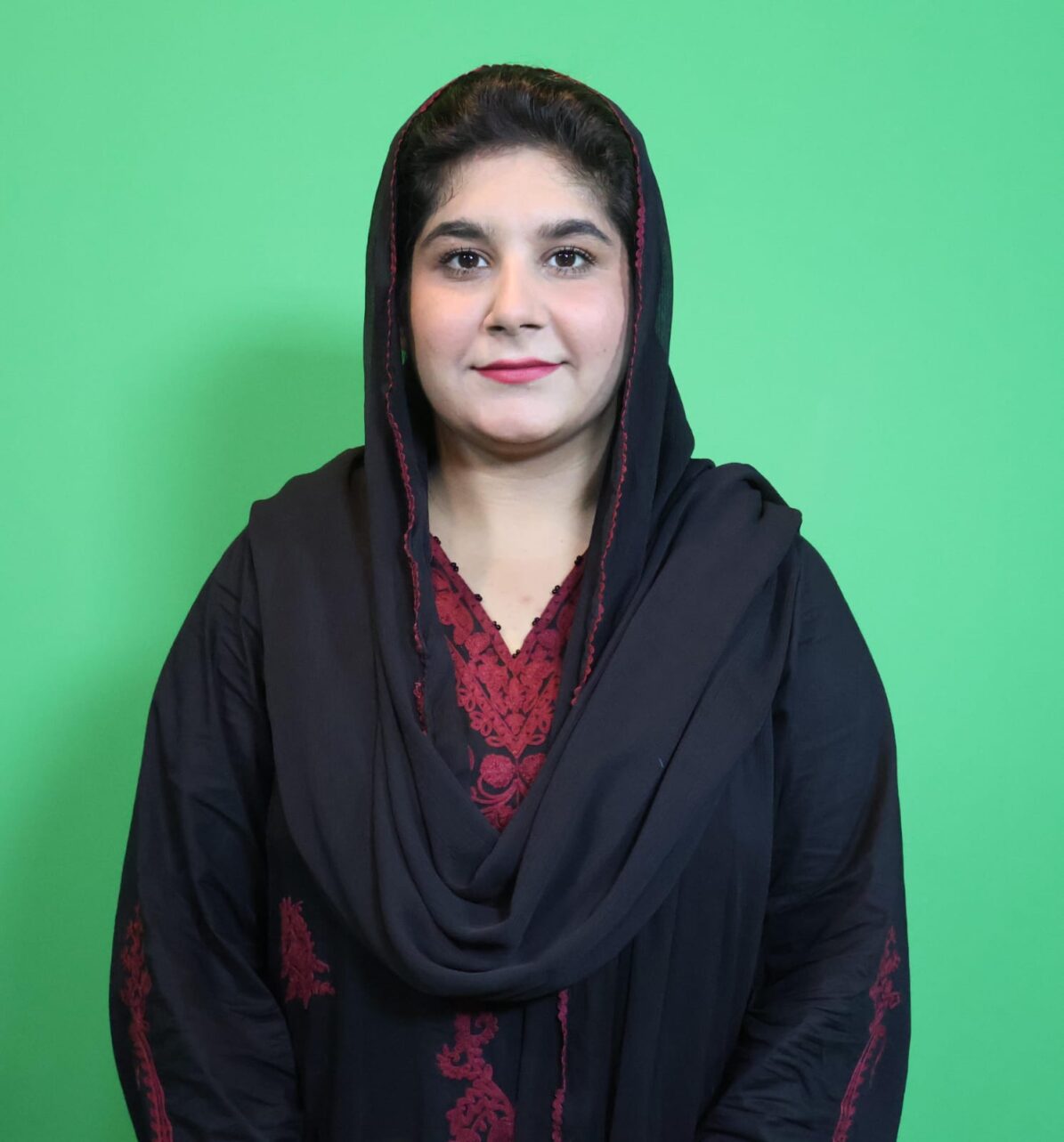
By Mashal Khan
PESHAWAR: When Ali lost his father, Umar Shah, on March 11, 2017, his family lost more than a loved one. They lost their primary source of financial security, emotional support and stability. At a young age, Ali and his siblings were forced to confront difficulties that would gradually reshape their lives, education and hopes for the future.
Before his father’s death, Umar Shah took responsibility for the family’s needs, including food, clothing, education and other daily necessities. Ali recalled that, as children, they did not fully understand the challenges involved in supporting a family because their father worked hard to ensure they had what they needed.
However, his death changed everything.
Within two years, the family began experiencing serious financial difficulties. Continuing education became increasingly challenging, and even paying college fees and meeting other educational expenses turned into a struggle. Although Ali eventually reached university, the journey was marked by uncertainty and hardship.
For Ali, losing his father meant more than coping with grief. It meant growing up without the person who had provided a sense of security and helped him imagine a future.
“When a child loses a parent, the pain does not end with the funeral. The consequences can continue for years, affecting their education, emotional well-being and sense of security,” Ali’s experience illustrates.
The invisible wounds of violence
The death of a parent through violence can have profound psychological consequences, particularly when children are left to cope with grief alongside financial insecurity and an uncertain future.
Children who experience such loss may develop persistent sadness, anxiety, fear, anger, sleep disturbances or difficulty concentrating. Some may withdraw from family and friends, while others may struggle with trust, relationships and feelings of insecurity.
In some cases, traumatic experiences can contribute to post-traumatic stress disorder (PTSD), depression or prolonged grief. However, not every child who experiences trauma develops a mental health condition, and each person’s response depends on their circumstances, age, support system and experiences.
For children such as Ali, the emotional consequences of losing a parent may be compounded by the practical challenges that follow. When a family struggles to afford education and basic necessities, the resulting stress can make it more difficult for children to process their grief and feel secure again.
These psychological wounds are not always visible. A child may continue attending school or university while privately struggling with sadness, anxiety or worries about the future.
The role of psychiatrists and trauma counsellors
Mental health professionals can play an important role in helping children and families recover after experiencing violence or the loss of a loved one.
A psychiatrist can assess whether a child or young person is experiencing depression, PTSD, anxiety or another mental health condition and recommend appropriate treatment. Depending on the person’s needs, treatment may include medication, psychotherapy or a combination of approaches.
Psychologists and trauma counsellors can also help survivors understand their emotions, process grief and develop healthy coping strategies.
The first step is to create a safe, supportive environment where survivors feel comfortable expressing their feelings without fear of judgment. They should never be forced to recount painful experiences before they are ready. Instead, professionals should listen with empathy, respect their pace and help them understand that they are not responsible for what happened to them.
For children experiencing anxiety, distressing memories or overwhelming emotions, appropriate therapeutic techniques may include grounding exercises, relaxation strategies and age-appropriate trauma-focused therapies. Regular follow-up can help professionals monitor progress and identify when additional support is needed.
Family involvement can also be beneficial when the home environment is safe. Caregivers can learn how to recognise signs of distress, communicate sensitively and provide reassurance without pressuring children to recover on a particular timeline.
Recovery requires more than treatment
Psychological recovery cannot be separated entirely from the circumstances in which survivors live. A child who has lost a parent may need mental health care, but may also need educational opportunities, stable housing, financial security and supportive relationships.
Schools and universities can contribute by identifying students who are struggling, providing counselling where available and helping them access appropriate services. Community organisations and social welfare institutions can support families who lack the resources to obtain professional care.
Mental health professionals can also help survivors recognise their strengths, rebuild confidence and gradually regain a sense of control over their lives. Recovery does not mean forgetting the person they lost; it means learning to live with that loss without allowing trauma to define their entire future.
A responsibility to listen and support
Ali’s experience reflects the lasting impact that violence can have on children and their families. The loss of his father affected not only his childhood but also his education, financial circumstances and sense of security.
His story highlights the importance of recognising the psychological consequences of violence alongside its immediate human cost.
For survivors, support should begin with being heard and understood. It should continue through accessible mental health services, compassionate care and practical assistance that enables them to rebuild their lives.
The real measure of recovery is not simply whether survivors learn to live with their loss, but whether they receive the support they need to regain their confidence, continue their education and build a future with dignity and hope.
