
By Fizza Qaisar
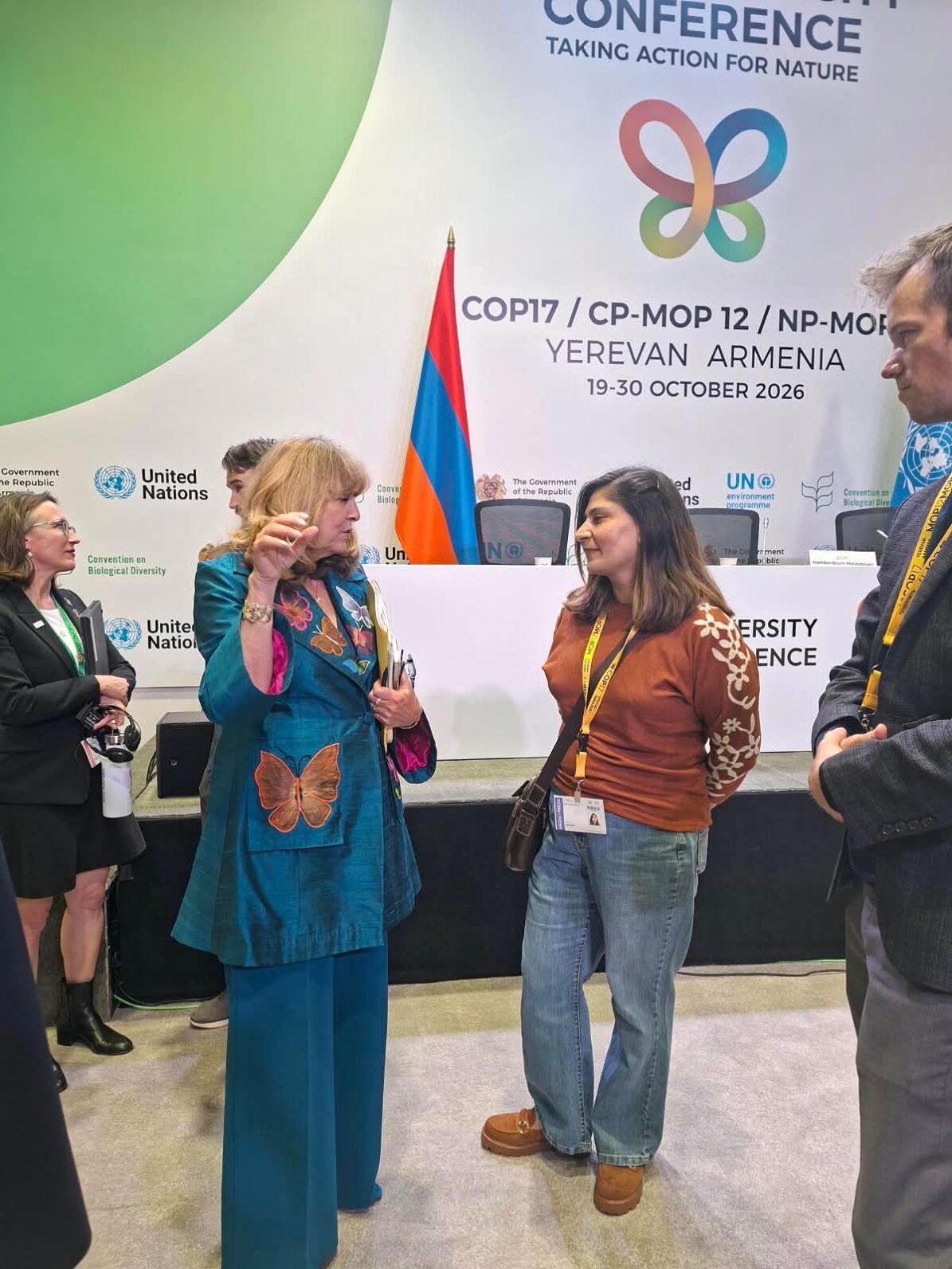
Before travelling to Antalya for the climate talks, I spent the final days of October in Yerevan, Armenia, covering COP17, the United Nations Biodiversity Conference. Walking into both summits within weeks of each other, the contrast could not have been sharper. While climate negotiations often collapse into bitter deadlocks over fossil fuels and missed deadlines, Yerevan carried a noticeably steadier, more purposeful rhythm.
As a journalist and someone who feels a personal duty to protect the natural world, I went to Yerevan believing that saving nature requires more than cutting carbon emissions. It means protecting the living web of forests, rivers, soil, and wildlife that keeps our planet alive. Sitting inside the conference halls in Armenia, I watched global leaders wrestle with how to turn the historic Kunming-Montreal Global Biodiversity Framework into action on the ground.
The Stewards at the Helm
Unlike the high-voltage confrontation that often defines climate summits, the atmosphere in Yerevan felt grounded in shared necessity. Over two weeks in October 2026, ministers, scientists, Indigenous leaders, and conservationists gathered to review the world’s first major global progress report since nations pledged to protect 30% of the planet’s land and oceans by 2030.
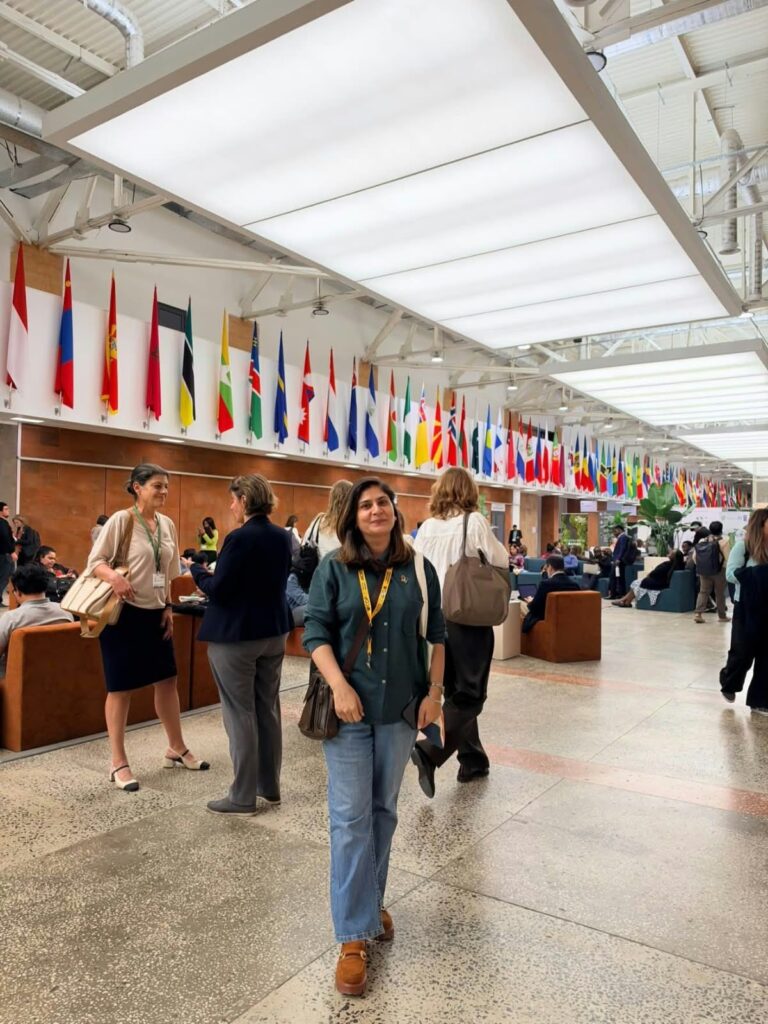
Guiding this complex gathering were two figures whose commitment to the living world stood out throughout the summit: Astrid Schomaker, Executive Secretary of the Convention on Biological Diversity, and the COP17 President, Armenia’s Minister of Environment Hambardzum Matevosyan. Watching them steer the plenaries and late-night consultations, many delegates quietly remarked that they carried themselves like a true god and goddess of nature, fiercely protective of every ecosystem on the table and determined not to let diplomatic bureaucracy drown out the urgency of dying species.
Their steady leadership set the tone for the entire venue. In plenary rooms and side sessions, the conversation was not wrapped in abstract diplomatic avoidance. Countries shared national biodiversity plans, debated ecosystem restoration targets, and examined how agriculture, forestry, and urban expansion are pushing species toward extinction.
An Empty Seat Where Pakistan Should Have Stood
Yet for me, sitting inside those halls carried a sharp, personal ache. While delegations from nearly 200 nations took the floor to defend their ecosystems, there was no official Pakistani delegation present to speak for ours.
At a summit dedicated to protecting threatened wildlife, Pakistan’s absence was glaring, especially when discussions turned to fragile mountain and river habitats. Our own land is home to some of the world’s most endangered and iconic species, including the snow leopard, the Indus River dolphin, the Himalayan brown bear, the Marco Polo sheep, and our national animal, the markhor. All of them face mounting threats from shrinking habitats, melting glaciers, and human encroachment, yet there was no official voice in Yerevan advocating for their survival or securing global conservation backing for them.
The irony hit hardest during the CIC Markhor Award ceremony on October 22, one of the most prestigious conservation honours presented at the biodiversity summit. Named after our national animal and inspired by Pakistan’s own globally acclaimed community-led markhor conservation model, the award was presented this year to conservation efforts in Mozambique with CBD Executive Secretary Astrid Schomaker in attendance. Watching the world honour a conservation philosophy rooted in Pakistan’s mountains while our official chairs sat empty felt deeply unsettling.
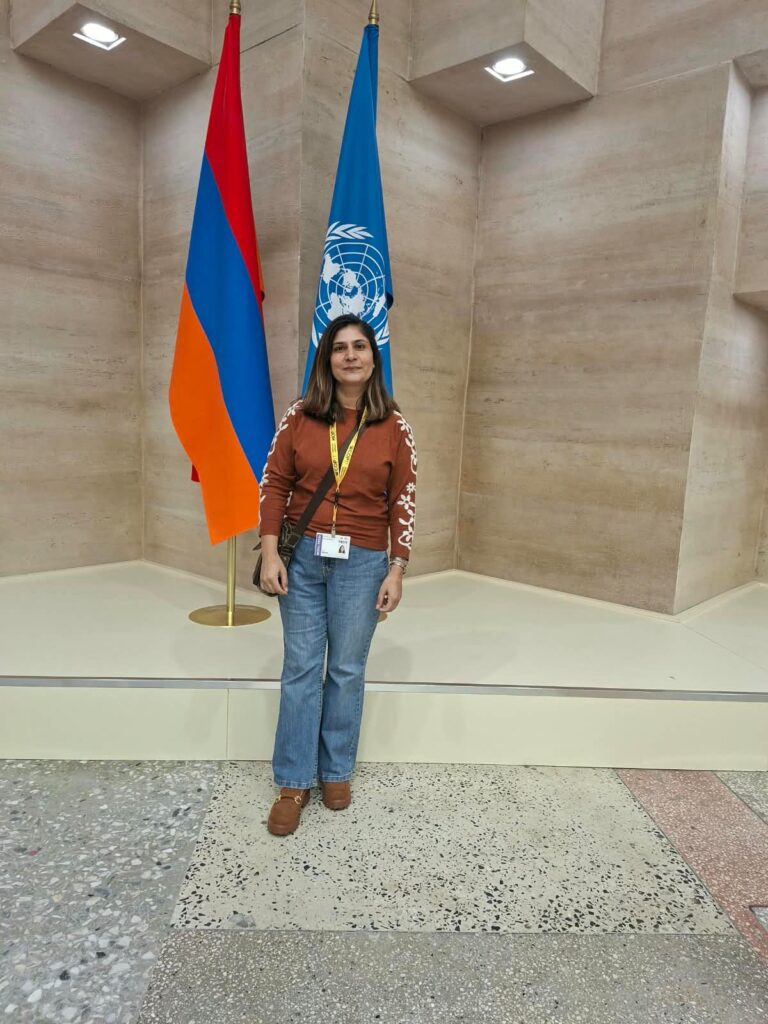
Any excuse that ministries found out too late simply does not hold water. As an ordinary Pakistani citizen without state machinery behind me, I was able to track the dates, secure my credentials, and make my way to Yerevan to witness the conference firsthand. If a layman can access the information and show up for nature, government ministries with entire departments, diplomats, and budgets at their disposal have no justification for missing a global table where Pakistan’s ecological future is being decided.
Voices From the Land
What gave Yerevan its strongest moral weight was the presence of Indigenous peoples, local land stewards, and youth advocates who were not kept on the margins of the conversation. Throughout the halls, representatives from mountain regions, river basins, and forest communities reminded negotiators that biodiversity cannot be saved through maps and spreadsheets alone.
Coming from a region shaped by towering mountains and fragile river ecosystems, listening to those voices felt deeply familiar. Protecting nature works only when the people who live closest to the land have the resources, rights, and recognition to defend it. In Yerevan, that principle was treated not as an afterthought, but as central to any credible conservation plan.
Leaving Yerevan With Quiet Resolve
By the time COP17 wrapped up in Yerevan, there were no dramatic walkouts, no overnight collapses, and no shouts interrupting closing speeches. Instead, there was a clear acknowledgment of how far the world still has to go before 2030, paired with concrete commitments on ecosystem restoration, stronger accountability for national targets, and renewed pledges to close the biodiversity funding gap.
Looking back at Yerevan after witnessing the turmoil in Antalya, the contrast stays with me. COP17 proved that multilateral diplomacy can still function when those leading the room act as true guardians of the natural world rather than mere political brokers. At the same time, it left me with a sobering reminder: nature cannot be defended from empty chairs. Whether in Yerevan or Antalya, showing up is the very first duty of stewardship.
