By Imran Yousafzai
The final of the Asia Cup Rising Stars will be played today between Pakistan A and Sri Lanka A, as two of the continent’s promising sides prepare to battle for the coveted title. Organised under the auspices of the Asian Cricket Council (ACC), the tournament has reached its eighth edition. Pakistan have been the most successful team in its history, having lifted the trophy three times, while Sri Lanka have won it twice. India and Afghanistan have each claimed the title once.
More than just a cricket tournament, the event has evolved into an important platform for identifying and nurturing the next generation of Asian cricketers. Over the years, it has provided opportunities to several promising players who subsequently went on to represent their respective national teams and establish themselves on the international stage.
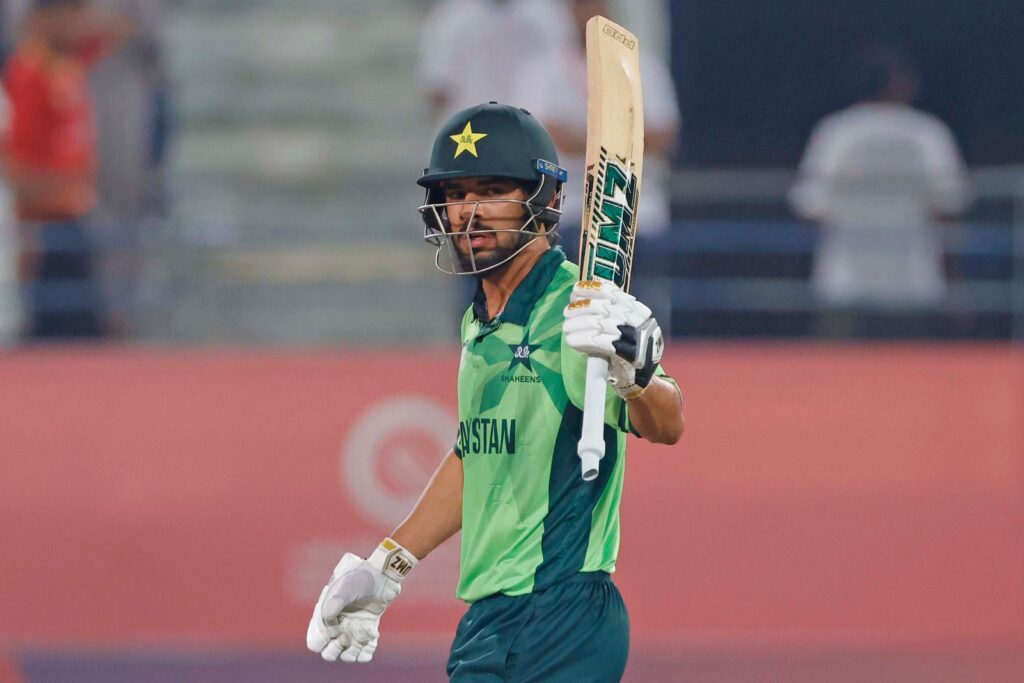
When the Asian Cricket Council launched the tournament in 2013, it was originally named the ACC Emerging Teams Asia Cup. The competition continued under that title for its first four editions before being rebranded as the Asia Cup Rising Stars last year.
The primary objective of the tournament was to identify emerging talent from the ACC’s Full Member and Associate nations and provide young cricketers with an opportunity to showcase their abilities at a competitive level. Undoubtedly, the event has made a significant contribution towards achieving that objective, producing several players who have gone on to become valuable assets for their national sides.
India’s inaugural triumph
The inaugural edition, held in 2013, featured eight teams: hosts Singapore A, Pakistan Shaheens, India A, Afghanistan A, Nepal A, Bangladesh A, Sri Lanka A and the United Arab Emirates A.
The final was contested between traditional rivals Pakistan and India. India dominated the contest, securing a comprehensive nine-wicket victory to become the first-ever champions of the Emerging Teams Asia Cup. Interestingly, that remains India’s only title in the tournament’s history.
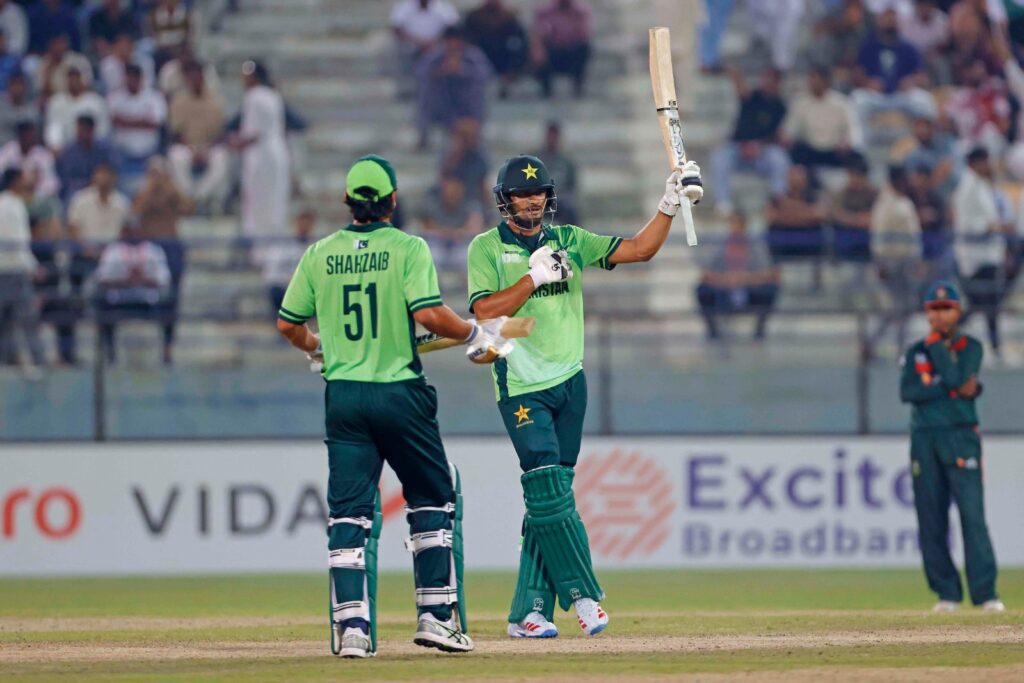
Following the inaugural edition, however, administrative issues prevented the competition from taking place for the next three years. It was eventually restored to the cricket calendar in 2017, with Bangladesh entrusted with hosting responsibilities.
Pakistan’s repeated final appearances and missed opportunities
Pakistan once again produced an impressive campaign in the 2017 edition, reaching the final for the second time. However, the title remained beyond their reach as Sri Lanka defeated the Shaheens by five wickets in the final to claim their maiden championship.
The third edition of the Emerging Teams Asia Cup was jointly hosted by Pakistan and Sri Lanka in 2018. Pakistan progressed to the semi-finals but suffered a seven-wicket defeat against arch-rivals India, bringing their campaign to an end.
In the other semi-final, Sri Lanka secured their place in the final, where they faced India at the R. Premadasa Stadium. The hosts emerged victorious by three wickets, successfully defending their title and becoming the first team to win the competition in consecutive editions.
Bangladesh hosted the tournament once again in 2019. Pakistan continued their impressive record of reaching the final, having now qualified for the championship match in three consecutive editions. This time, however, the outcome was different. Having remained unbeaten throughout the tournament, the Shaheens carried their winning momentum into the final and finally secured their maiden title.
Batting first, Pakistan posted a formidable total of 301 runs. Rohail led the charge with an outstanding 113, while Imran Rafiq contributed 62 and captain Saud Shakeel added 42.
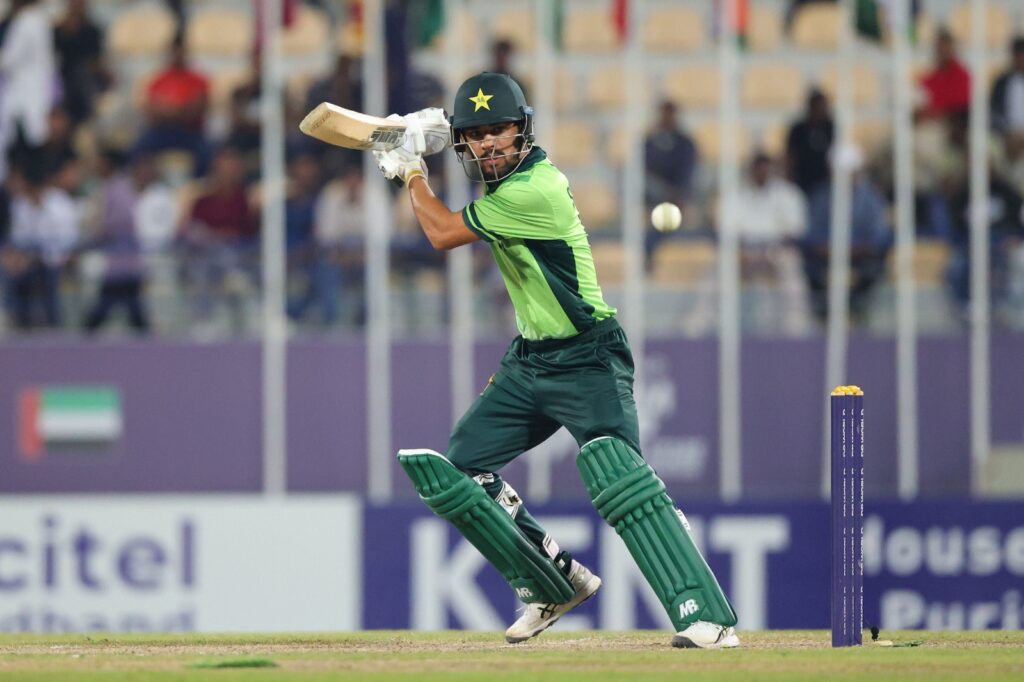
In reply, Bangladesh were bowled out for 224, handing Pakistan a convincing 77-run victory and their first-ever Emerging Teams Asia Cup title.
Pakistan’s second consecutive title after the pandemic break
Following the 2019 edition, the global COVID-19 pandemic disrupted the tournament, preventing its organisation for the next three years. The competition finally returned in 2023, with Sri Lanka hosting the event.
The final once again brought together traditional rivals Pakistan and India, with Pakistan entering the contest as defending champions.
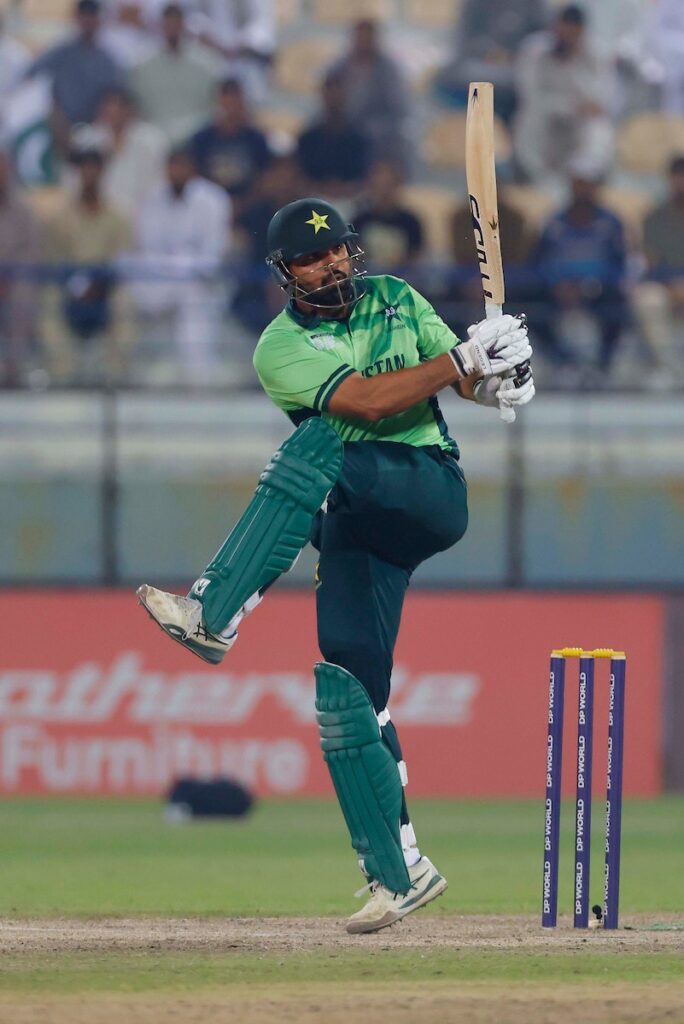
The Pakistani batters delivered an outstanding performance, posting a massive total of 352 runs. Tayyab Tahir was the star of the innings, scoring a magnificent 108, while Sahibzada Farhan contributed 65 and Saim Ayub added 59.
India failed to cope with the pressure of the daunting target and were bowled out for 224 in 40 overs. Pakistan registered a comprehensive 128-run victory, successfully defending their title and becoming champions for the second consecutive time and the second time overall.
Afghanistan’s historic maiden triumph
The sixth edition of the Emerging Teams Asia Cup was held in Oman in 2024. The tournament witnessed two major upsets in the semi-finals.
Defending champions Pakistan were eliminated after suffering a seven-wicket defeat against Sri Lanka in the first semi-final. In the second semi-final, Afghanistan stunned India to book their place in the final.
Afghanistan continued their impressive run in the championship match, defeating Sri Lanka by seven wickets to lift the trophy for the first time in the tournament’s history. It was a significant achievement for Afghan cricket and another indication of the growing strength of its emerging talent.
Ahmed Daniyal’s memorable Super Over and Pakistan’s third title
Ahead of the 2025 edition, the Asian Cricket Council rebranded the competition from the Emerging Teams Asia Cup to the Asia Cup Rising Stars. The first edition under its new name was hosted by Qatar.
Led by Irfan Khan Niazi, Pakistan produced an unbeaten campaign to reach the final, where they faced Bangladesh.
Batting first, Pakistan Shaheens managed 125 runs in their allotted 20 overs. Bangladesh appeared to be in control of the chase, needing just seven runs from the final over to secure victory. However, Pakistan’s medium-pacer Ahmed Daniyal displayed remarkable composure and restricted the opposition to just six runs, forcing the match into a tie.
The contest was subsequently decided in a Super Over, where Ahmed Daniyal once again delivered an outstanding performance. He conceded just one run and dismissed two batters. However, a wide delivery that the wicketkeeper failed to stop resulted in five additional runs for Bangladesh, leaving Pakistan with a target of seven runs to win.
Saad Masood and Maaz Sadaqat completed the chase in just four deliveries, securing Pakistan’s third title in the competition.
Ahmed Daniyal was undoubtedly the central figure in this memorable victory. His decisive bowling in the final over kept Pakistan in the contest, while his remarkable performance in the Super Over sealed the outcome. He was subsequently named Player of the Match as well as Player of the Tournament.
Pakistan vs Sri Lanka: What does the head-to-head record suggest?
The eighth edition of the Asia Cup Rising Stars reaches its climax today, with Pakistan and Sri Lanka preparing to contest the final. A look at the tournament’s history and the two teams’ previous encounters reveals an interesting rivalry.
Pakistan have reached the final for the sixth time, while Sri Lanka are appearing in the championship match for the fourth time.
The two sides have faced each other six times in the history of the competition. The 2018 edition remains the only tournament in which Pakistan and Sri Lanka did not meet. Of their six previous encounters, Pakistan have won four, while Sri Lanka have emerged victorious on two occasions.
Their meetings have included a final in 2017, a group-stage encounter in 2019 and four semi-final clashes in 2013, 2023, 2024 and 2025.
The latest final will therefore add another significant chapter to this growing rivalry, with both teams looking to finish their campaigns on a winning note.
From Rising Stars to the national team: Pakistan’s talent pipeline
The real significance of this tournament extends far beyond titles and match results. Its greatest contribution lies in the number of talented players it has helped bring into the spotlight, many of whom have subsequently earned opportunities in Pakistan’s national team.
The inaugural edition in 2013 featured players such as Babar Azam, Mohammad Rizwan, Mohammad Nawaz and Usman Qadir, who later went on to represent Pakistan at the highest level.
The 2017 edition brought forward Hussain Talat, Khushdil Shah, Usama Mir and Sameen Gul, while Sahibzada Farhan and Saud Shakeel were among the notable names associated with the 2018 edition.
In 2019, players including Umair Yousuf, Haider Ali, Amad Butt and Mohammad Hasnain attracted attention through their performances.
The 2023 edition proved particularly productive for Pakistan, introducing several promising names, including Saim Ayub, Tayyab Tahir, Qasim Akram, Mohammad Haris, Mehran Mumtaz, Swaim Junior and Sufyan Muqeem.
The 2024 tournament featured emerging talents such as Arafat Minhas, Abdul Samad, Abbas Afridi and Mohammad Imran. Meanwhile, the 2025 edition brought Ahmed Daniyal, Maaz Sadaqat, Ghazi Ghori, Irfan Khan Niazi, Saad Masood and Ubaid Shah into greater prominence, alongside several other promising cricketers.
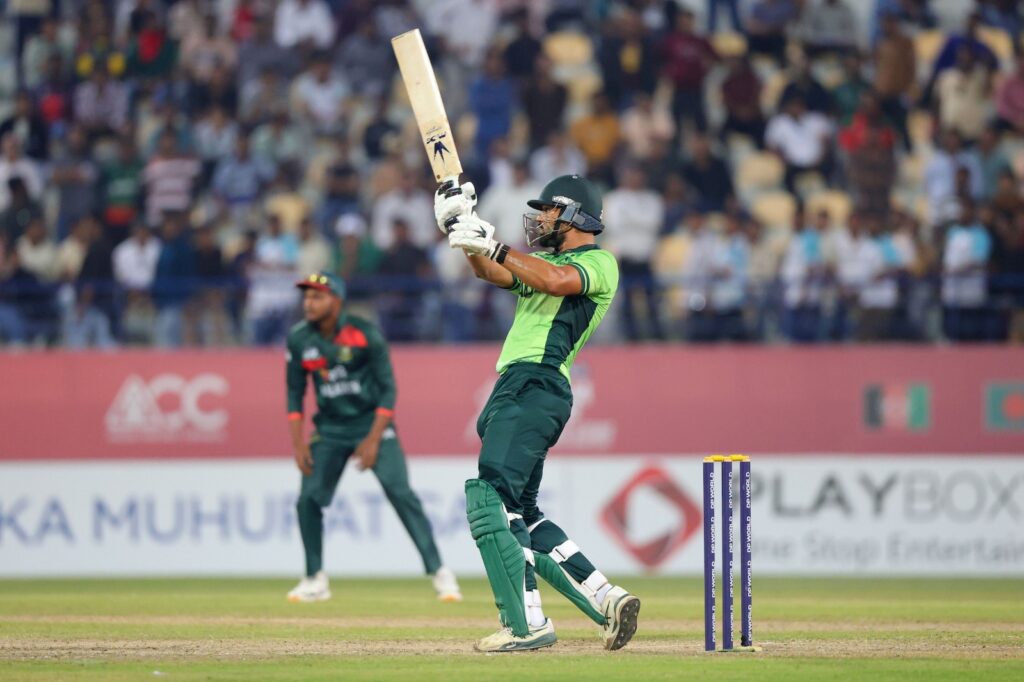
This impressive list demonstrates how the Emerging Teams Asia Cup, now known as the Asia Cup Rising Stars, has served as an important talent pipeline for Pakistan cricket. It has provided young players with valuable exposure and an opportunity to demonstrate their potential before progressing towards the national side.
*Can Pakistan defend their crown?”
Pakistan now have another opportunity to create history. Having won the championship three times, the Shaheens will be aiming to defend their title and become the first team to lift the trophy for a fourth time.
Sri Lanka, meanwhile, will be equally determined to claim their third championship and add another title to their impressive record in the competition.
Considering the history of both teams, their previous encounters and the quality of emerging talent on display, an exciting and closely contested final is on the cards.
Nevertheless, the true success of this tournament cannot be measured solely by the team that lifts the trophy. Its broader significance lies in discovering new talent, providing young cricketers with exposure to high-pressure competition and laying the foundations for the future of international cricket in Asia.
There is hope that the 2026 edition will once again produce several promising players for Pakistan cricket and that the young Shaheens will make the most of this opportunity.
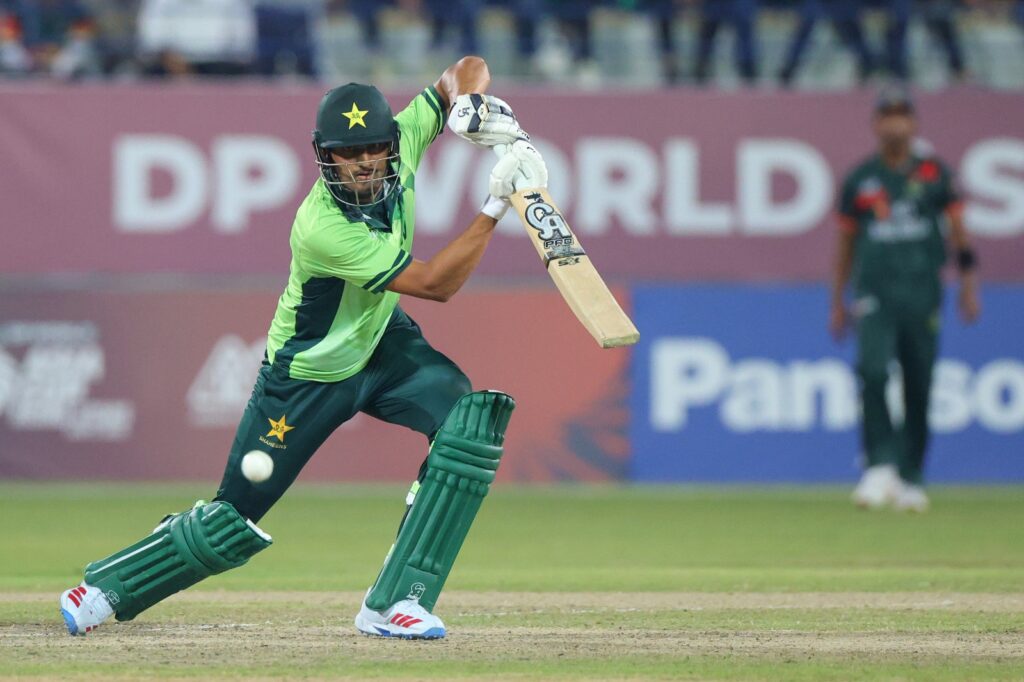
The question now is whether Pakistan can successfully defend their crown and secure a historic fourth title, or whether Sri Lanka will emerge victorious and reclaim the championship.
The answer will unfold on the field today.
(Imran Yousafzai is a senior sports journalist, sports anchor and analyst from Peshawar, Pakistan)