
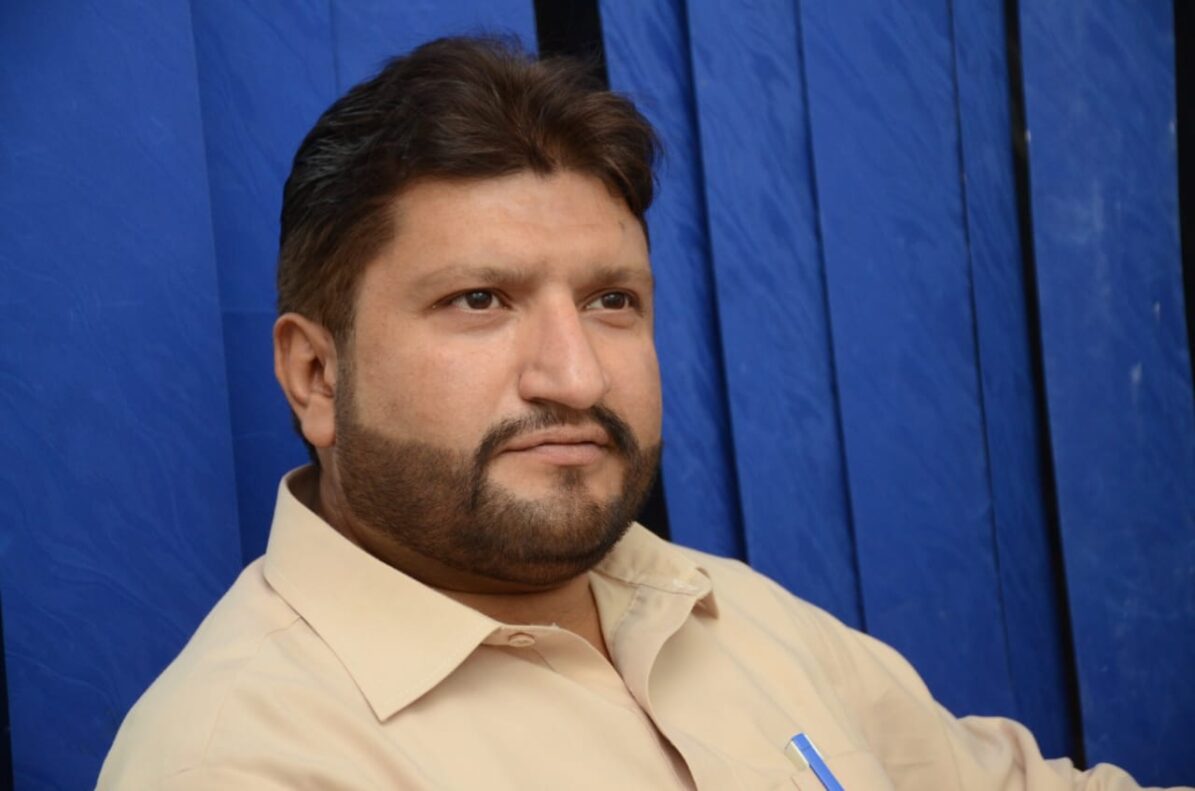
Amjad Hadi Yousafzai
Hygiene refers to the basic principles and facilities through which people can protect themselves from diseases. The use of clean drinking water, handwashing, proper toilets, safe disposal of waste, vaccination, and basic health awareness are all part of hygiene. In developed societies, more emphasis is placed on disease prevention than on treatment, but unfortunately this concept has not yet fully taken root in our society.
If we look at Khyber Pakhtunkhwa, the hygiene situation is alarming. In rural areas, clean drinking water is still scarce, open drains are common, garbage is not disposed of properly, and toilet facilities are not available in every household. Urban areas are not much better; even a major city like Peshawar faces serious problems of contaminated water and poor sanitation. As a result, diseases such as diarrhea, cholera, typhoid, skin infections, and other illnesses are widespread.
The Khyber Pakhtunkhwa government has taken some steps in the health sector. Basic Health Units (BHUs), vaccination campaigns, and special programs to eradicate polio are examples of these efforts. Clean water projects have also been launched in some areas. However, overall implementation remains weak. Many health centers lack adequate staff, medicines are often unavailable, and monitoring systems are ineffective. Policies are made, but their benefits rarely reach the common citizen.
Lack of public awareness is one of the biggest reasons behind this problem. Many people still do not understand how contaminated water spreads disease or how important handwashing is. Misconceptions about vaccines are also common, causing parents to avoid immunizing their children. Illiteracy, poverty, and social and cultural attitudes further worsen the situation.
Various surveys and reports show that a large portion of Khyber Pakhtunkhwa’s population does not have access to clean water and proper sanitation. A significant number of children miss out on complete vaccination, leading to the continued presence of diseases like polio and measles. These figures clearly show that the issue is not only about lack of resources, but also about priorities and awareness.
The question now is: what is the solution? First, the government must move beyond paperwork and take practical action. Improving clean water supply and drainage systems is essential. Strict monitoring of health centers is needed to ensure doctors and staff perform their duties properly. At the same time, serious public awareness campaigns must be launched, through schools, mosques, and the media, to educate people that cleanliness and vaccination can save their own lives and the lives of their children.
Finally, it must be understood that hygiene is not the responsibility of the government alone; it is the duty of every citizen. Until we ourselves give importance to cleanliness, mere complaints will not change the situation. To make Khyber Pakhtunkhwa a healthy province, both the government and the public must play their role. otherwise, this silent crisis will continue to consume the future of our children.
