
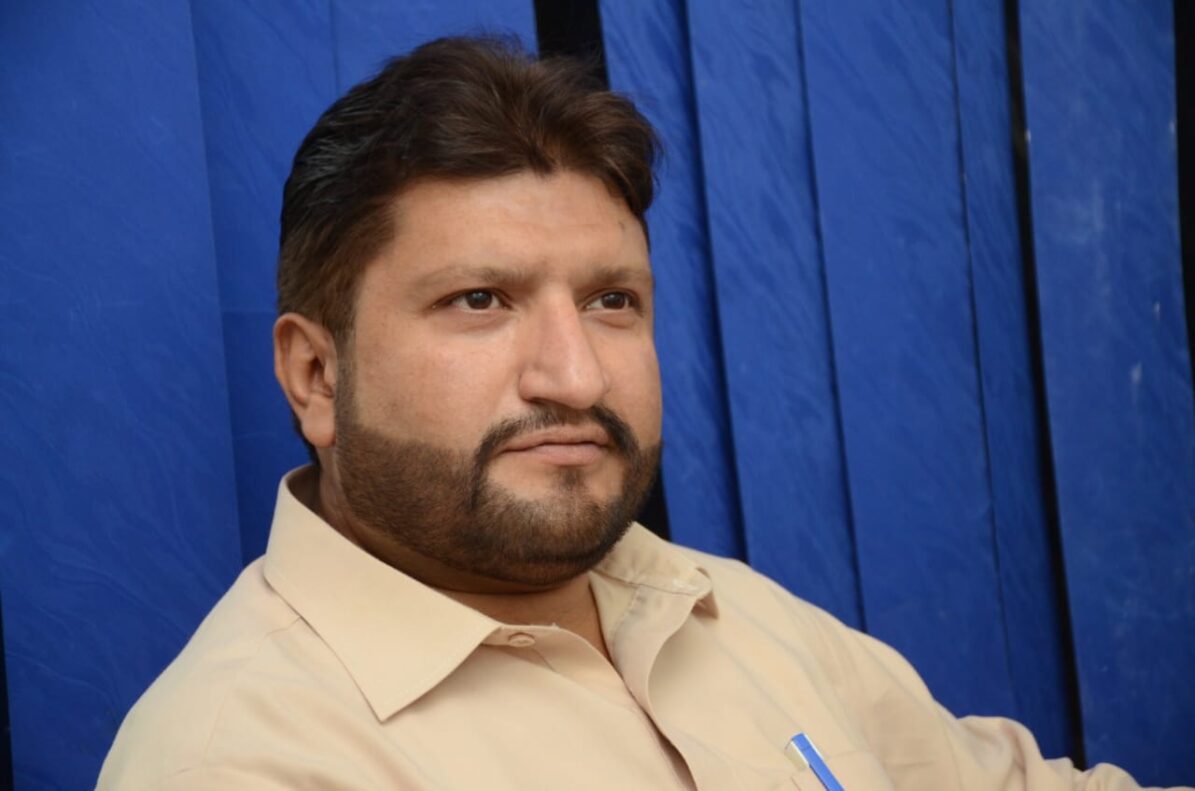
Amjad Hadi Yousafzai
In Khyber Pakhtunkhwa, the protest politics of the Pakistan Tehreek-e-Insaf (PTI) has ceased to be a symbol of ideology, resistance, or principled struggle and has instead become a constant source of suffering for the public. Frequent protests, sit-ins, rallies, marches, and shutter-down strikes have become the norm. Roads are blocked, markets deserted, businesses halted, and ordinary citizens are trapped under mental and economic pressure, yet the ruling party shows no sign of acknowledging this suffering.
Yesterday’s shutter-down strike fully exposed the reality that PTI’s politics has shifted from serving the public to harming it. Ramadan is approaching, a period when traders, laborers, and daily-wage earners hope to earn some extra income, yet the entire province was forced to shut down. This is not political misjudgment but outright anti-people behavior. For households where the stove burns only through daily wages, shutter-down strikes translate into starvation, yet this reality is lost amid protest slogans.
The most shameful aspect of this so-called public protest was the scenes of deputy commissioners and assistant commissioners roaming markets to forcibly order shopkeepers to close. If this protest truly represented the voice of the people, why did state officials need to enforce market closures with police-like measures? The truth is that this protest was more about state coercion than public sentiment, wrapped in a political narrative.
PTI’s current politics has effectively become limited to a single point: the release of Imran Khan. It is being portrayed as if all the problems of Khyber Pakhtunkhwa have been resolved and the millions of citizens should now take to the streets over this one issue. The question arises: has inflation ended? Has unemployment been eradicated? Are hospitals stocked with medicines and schools staffed with teachers? If not, why does the government’s agenda revolve around a single personality instead of public issues?
Khyber Pakhtunkhwa is currently facing severe administrative, economic, and social crises. The healthcare system is in shambles, education continues to decline, youth are pushed into the darkness of despair and unemployment, and law and order remains a constant question mark. Despite this, the provincial government prioritizes protest politics, displays of power, and calls for shutter-down strikes. Citizens rightly ask: if the government is out on the streets, who will sit in offices and make decisions?
The biggest and undeniable contradiction is that the PTI has ruled Khyber Pakhtunkhwa continuously for the past 13 years, yet it insists on presenting itself as the opposition. The role of the opposition is being played by the government, while the responsibilities of governance are being consistently ignored. If there is mismanagement in the province, who will be held accountable? And if the people are suffering, who is responsible?
The truth is that this continuous protest politics has created intense anger, frustration, and distrust among the public. People now value peace over slogans. They do not want protests; they want livelihoods. They want to live normal lives instead of being fuel for political battles. PTI’s strategy is pushing people further away instead of winning their support.
PTI now needs to make a clear choice: does it want to govern Khyber Pakhtunkhwa or just protest? Holding the public hostage, shutting down markets, and depriving citizens of livelihoods will neither win political sympathy nor save leadership. The era of street politics is long gone; the province needs work, stability, and serious governance. If, after 13 years in power, protest remains the only response to every problem, this is not political struggle but an open admission of failure and history will remember such governance not as public service but as public devastation.
