
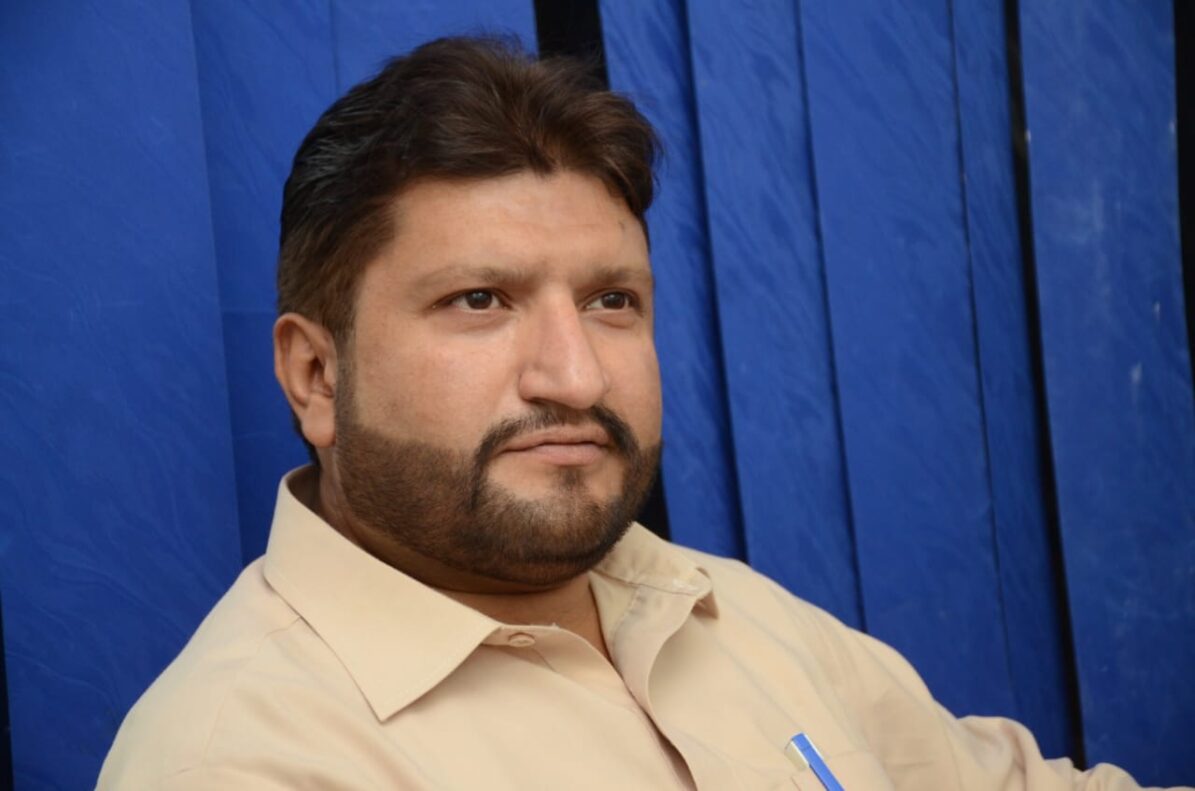
Amjad Hadi Yousafzai
In Khyber Pakhtunkhwa, the protest politics of Pakistan Tehreek-e-Insaf (PTI) has increasingly shifted from claims of ideological resistance to a pattern that many citizens view as disruptive and damaging. Frequent protests, sit-ins, rallies, marches, and shutter-down strikes have become routine. Roads are blocked, markets fall silent, businesses halt operations, and ordinary citizens find themselves bearing mounting mental and economic pressure. Yet there appears to be little acknowledgment from the ruling party of the toll these actions take on daily life.
The most recent shutter-down strike once again highlighted how political mobilization often comes at the cost of public convenience and livelihood. With Ramadan approaching—a time when traders, laborers, and daily-wage earners typically hope to increase their income—the enforced closure of markets across the province sparked widespread concern. For households that depend on daily wages to survive, even a single day without work can mean unpaid bills or empty kitchens. Political messaging may dominate headlines, but for many families, survival remains the primary concern.
In recent days, the repeated closure of the motorway has compounded public hardship. The blockage of the Peshawar-Islamabad corridor disrupted intercity travel, stranded passengers for hours, delayed medical emergencies, and halted the movement of goods and commercial transport. Transporters suffered financial losses, perishable goods were damaged, and thousands of commuters—including students, patients, and office workers—were left in uncertainty. When a major highway is shut down for political purposes, the economic ripple effect extends far beyond a single day’s protest.
Similarly, the protest-driven closure of key arteries in Peshawar has inflicted visible damage on daily life. Major roads turning into blockade zones have paralyzed traffic, prevented ambulances from moving freely, and forced small traders to shut their shops. The business community reports declining sales, while wage earners return home empty-handed. In a city already struggling with economic and administrative pressures, repeated road closures deepen frustration and weaken public trust.
Equally troubling were reports of deputy commissioners and assistant commissioners visiting markets to ensure compliance with strike calls. If a protest genuinely reflects overwhelming public will, it should not require administrative enforcement. The optics of officials compelling shopkeepers to close raised questions about whether the exercise represented voluntary solidarity or state-backed pressure under a political banner.
At the heart of the current wave of protests lies a singular demand: the release of Imran Khan. While supporters consider this a matter of justice and principle, critics argue that governance in Khyber Pakhtunkhwa cannot revolve around one personality. The province continues to grapple with inflation, unemployment, under-resourced hospitals, and struggling public schools. Citizens ask whether these pressing issues are receiving the attention they deserve.
After more than a decade of governance in the province, PTI faces a unique political paradox. Having remained in power in Khyber Pakhtunkhwa for approximately 13 years, the party often adopts the posture of an opposition force. Critics contend that this dual role—governing while protesting—creates confusion about accountability. If administrative shortcomings persist, responsibility ultimately rests with those in office.
Meanwhile, the province faces serious economic and security challenges. Businesses operate in uncertainty, youth struggle with limited employment opportunities, and concerns about law and order continue to surface. In such circumstances, many residents express a desire for stability over confrontation. They seek consistent governance, improved public services, and policies that strengthen economic resilience rather than periodic shutdowns that disrupt fragile livelihoods.
This moment calls for reflection. Political protest is a legitimate democratic tool, but when it becomes routine and costly for the public, it risks alienating the very people it aims to represent. The leadership of Pakistan Tehreek-e-Insaf must decide whether its priority in Khyber Pakhtunkhwa is sustained governance or perpetual agitation. Holding markets closed, blocking motorways, and paralyzing city roads may energize supporters, but it also deepens public fatigue.
The people of the province are not asking for slogans; they are asking for solutions. They want functioning hospitals, quality education, secure neighborhoods, and economic opportunity. After more than a decade in power, the time for protest-centered politics may be giving way to a demand for performance-centered governance. History will judge not the loudness of slogans, but the tangible improvements delivered to the lives of ordinary citizens.
