
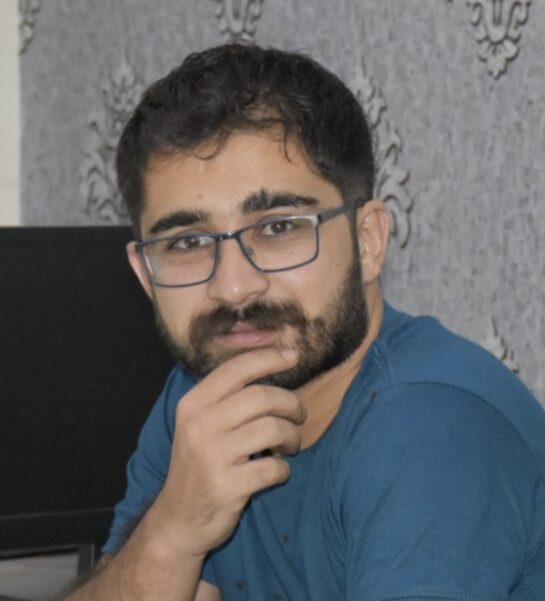
By Sajid Anwar Wardak
On the night of the 14th, August 2025, militants ambushed a police Quick Response Force vehicle in the Panakot area of Upper Dir, martyring three police officials and injuring several others. The attack, widely attributed to elements linked with the banned Tehreek-e-Taliban Pakistan (TTP), was deliberately timed with Independence Day to symbolically challenge the authority of the state. Upper Dir’s mountainous terrain and its proximity to cross-border militant routes have historically made it vulnerable to such attacks, where extremist groups attempt to test state resolve and intimidate local populations.
The immediate institutional response was swift and coordinated. Khyber Pakhtunkhwa Police, along with the local community, Counter Terrorism Department (CTD), Elite Force, and other security units, launched a comprehensive clearance operation in Dobando and surrounding localities. Sustained engagements over several days resulted in the neutralization of ten militants and the dismantling of their hideouts. The operation demonstrated operational synergy, intelligence-based targeting, and the determination of the state to reassert its writ in contested spaces. However, beyond tactical success, what distinguished this episode was the unwavering support of the local community.
Among the most powerful symbols of this resilience was the martyrdom of a civilian who stood alongside the security forces to defend his area from terrorist elements. Refusing to succumb to fear, he joined efforts to protect his village, family, and fellow citizens. His sacrifice elevated the narrative from a conventional security operation to a collective act of community defense. In recognition of his bravery, his funeral was conducted with state protocols, attended by senior police and civil administration officials, where he was honored not merely as a victim but as a shaheed who embodied civic courage. The presence of uniformed officers, flag-draped tributes, and collective prayers reinforced a profound message: the state stands with those who stand against terror.
Equally telling was the community’s social rejection of militancy. In a spontaneous expression of anger and defiance, local residents reportedly set ablaze the house of a known facilitator who had provided shelter and logistical support to the militants. While such actions reflect intense public outrage, they also signal a broader shift, a refusal by the community to tolerate internal enablers of violence. Terrorism thrives on local facilitation, silence, and fear, when communities actively expose and socially ostracize collaborators, the operational system of militancy begins to collapse.
The drivers behind such violence remain complex: cross-border safe havens, ideological radicalization, exploitation of economic vulnerabilities, and attempts to erode trust in state institutions. By targeting police personnel, militants seek to weaken the most visible arm of governance and discourage public cooperation. Yet, the events in Upper Dir demonstrate that when institutions respond decisively and communities close ranks around them, this strategy fails. Local resilience transforms isolated security operations into a unified societal stand against extremism.
Ultimately, the Upper Dir episode underscores a critical lesson in counter-terrorism, sustainable peace is built not solely through force, but through partnership. The blood of police martyrs and the sacrifice of a courageous civilian forged a shared narrative of resistance. Institutional capacity provided the structure, but community solidarity provided the strength. In that convergence of state authority and local resolve lies the most durable antidote to terrorism.
The author is a PHD research scholar in international relations and counter terrorism.
