
TP Report
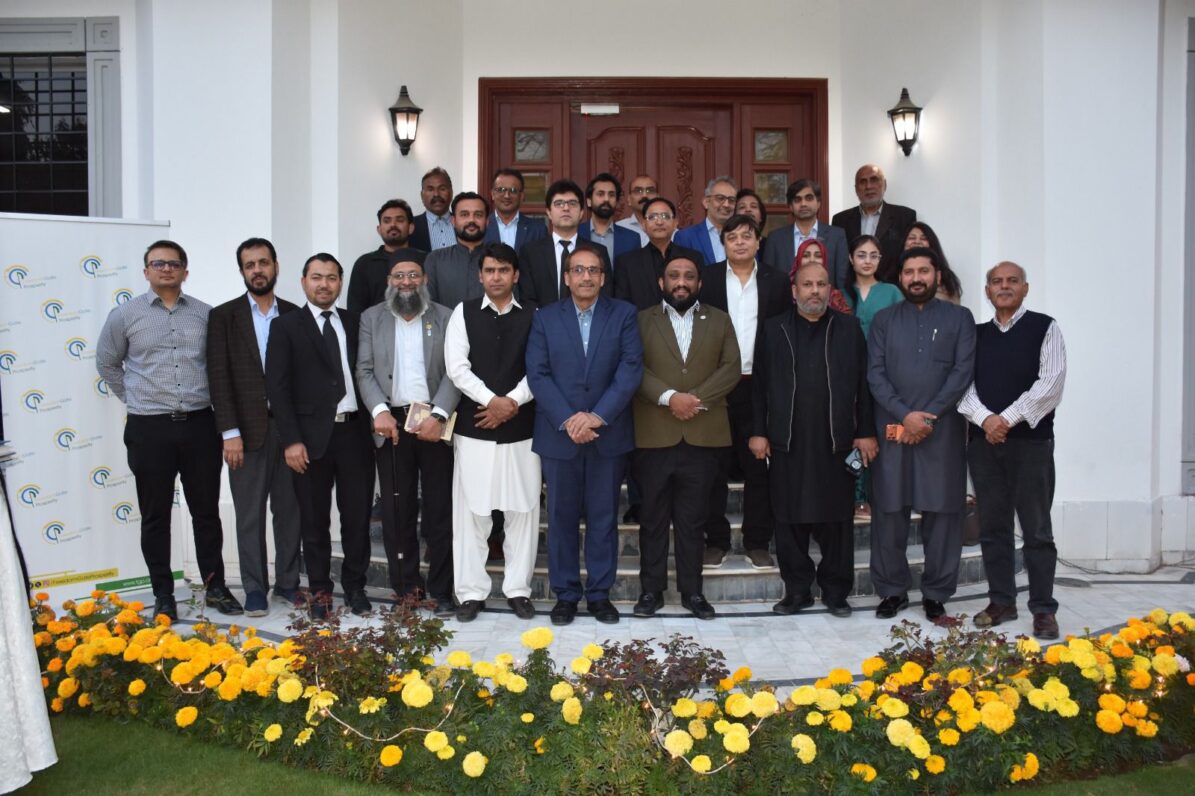
ISLAMABAD: Experts have emphasized the urgent need to simplify Pakistan’s regulatory environment and introduce a unified digital compliance system to reduce the cost and time burden on businesses, particularly small and medium enterprises. They expressed these views at a stakeholder consultation on the Digital Compliance Gateway held at the Freedom Gate Prosperity (FGP) in collaboration with the Islamabad Chamber of Small Traders and Small Industries (ICSTSI).
The consultation brought together policy experts, legal practitioners, industry representatives, and development professionals to deliberate on practical reforms under the broader #UnlockPakBusiness initiative.
Earlier, Muhammad Anwar, CEO of FGP, welcomed the participants and highlighted the importance of creating a market-friendly policy environment. He said that complex procedures and fragmented regulatory requirements discourage entrepreneurship and investment, and stressed that FGP, in collaboration with institutional partners, is working to promote evidence-based reforms that reduce compliance barriers and support business growth.
Awais Satti, President of ICSTSI, underscored the need for stronger public-private dialogue to identify bottlenecks faced by traders and entrepreneurs. He noted that regulatory simplification and digital integration can significantly improve ease of doing business and help expand the formal economy.
Dr. Ali Salman, CEO of Prime Institute Pakistan, highlighted the broader economic implications of regulatory inefficiencies. He stressed that reducing unnecessary compliance costs would improve productivity, encourage formalization, and enhance Pakistan’s competitiveness in regional markets.
During the discussion, Mohsin Malik, a regulatory reforms expert, observed that Pakistan currently operates within a complex and fragmented regulatory environment for businesses, with overlapping requirements and multiple authorities. He emphasized the need for coherent reforms and a streamlined digital framework to reduce duplication and uncertainty.
Sher Mohammad, Chairman of the Sustainable Development Committee at ICSTSI, presented a technical briefing outlining the estimated compliance burden on businesses and introduced the concept of a unified Digital Gateway to consolidate registration and reporting requirements.
From an industry perspective, Asad Taimur, Legal Advisor, ICSTSI, shared ground-level challenges faced by traders, particularly the difficulties caused by redundant registration processes across multiple agencies. Dr. Zia Ullah Ranjha, Senior Legal Expert, highlighted legal and regulatory overlaps that contribute to procedural delays and increase operational costs. Sardar Zaheer Ahmad of ICSTSI also shared the practical implications of a complex compliance system for overall economic growth. Amjad Khan Achakzai, Additional Advocate General of Balochistan, also shared his views on the occasion and said that an enabling environment for trade activities in underdeveloped regions should also be a top priority to address a higher rate of youth unemployment.
The session concluded with an open stakeholder forum moderated by Shafqat Aziz, where participants validated reform priorities and discussed advocacy and awareness strategies. The consultation ended with a commitment to develop a practical policy roadmap to support regulatory simplification and promote a more enabling business environment in Pakistan.
