
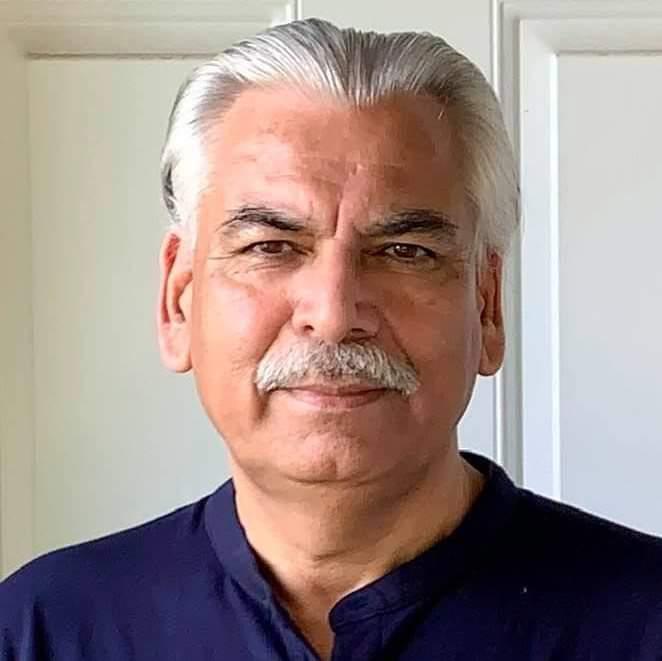
Barrister Usman Ali, Ph.D.
The situation along the Pakistan–Afghanistan border has moved beyond routine tension and now constitutes a serious and structured security crisis. Cross-border attacks, suicide bombings, and assaults targeting security personnel and civilians have compelled Pakistan to take firm defensive measures. Islamabad has consistently maintained that these attacks are linked to armed groups operating from across the border. This position is not rhetorical; it is grounded in security assessments, operational evidence, and statements from apprehended militants.
International law provides a clear framework for evaluating such circumstances. Under the United Nations Charter, states are obligated to respect the territorial integrity and sovereignty of other nations. Equally important is the duty not to allow one’s territory to be used for armed activities against a neighboring country. When organized militant groups conduct attacks from within a state’s borders and effective preventive measures are not taken, questions of international responsibility inevitably arise. Pakistan’s demand that Afghan territory not serve as a safe haven for anti-Pakistan elements is therefore rooted in established legal principles, not aggression.
The broader political context in Afghanistan further complicates the situation. The current Afghan authorities assumed power through military advancement and remain without formal international recognition. Numerous United Nations agencies and human rights organizations have expressed serious concerns regarding restrictions on women’s education, employment, and public participation. Limitations on girls’ secondary and higher education, along with constraints on women’s civic life, are not only human rights concerns but also barriers to economic recovery and international engagement. Without inclusive governance, respect for fundamental freedoms, and a credible commitment to preventing cross-border militancy, global trust remains difficult to secure.
For Pakistan, the issue is not ideological but directly related to national security. When armed elements conduct suicide attacks, target security forces , places of worship, and spread fear among civilian populations, the state cannot remain passive. The Constitution obligates the government to safeguard the lives and property of its citizens. Therefore, any defensive response it undertakes derives legal and moral justification under the principles of proportionality and necessity in international law.
This crisis must also be understood within its historical context. Since 1979, Afghanistan has been the arena of external power rivalries, during which non-state armed groups received various forms of support. The long-term consequences of those policies have been felt across the region, as militant networks evolved into enduring security threats. It is also necessary to acknowledge that certain past strategic decisions in the broader region inadvertently strengthened extremist actors. However, historical miscalculations cannot justify inaction in the face of present dangers. States are responsible for protecting their citizens today while shaping a more stable future.
Some argue that diplomacy alone can resolve the crisis. Diplomacy is indeed indispensable, but effective diplomacy requires internal strength and verifiable commitments. General assurances and rhetorical statements do not rebuild trust. A sustainable approach must combine strengthened border management, improved intelligence coordination, and clear diplomatic mechanisms that are practical and enforceable. Strategic patience must be balanced with credible deterrence.
Domestic cohesion is central to this effort. Matters of national security should not become tools of political contestation. Democratic systems thrive on debate, but unverified narratives, sensationalism, and internal polarization can inadvertently embolden external threats. Constructive criticism grounded in constitutional principles and national interest strengthens the state; undermining unity in times of crisis weakens it.
The sacrifices of the people of Khyber Pakhtunkhwa and the former tribal districts must also remain central to any discussion of policy. These regions have endured immense losses in the fight against terrorism and represent the frontline of national defense. Long-term stability depends not only on security operations but also on economic revitalization, infrastructure development, quality education, and meaningful employment opportunities for youth. Military action may contain immediate threats, but durable peace requires social, economic, and ideological resilience.
From a regional perspective, sustained confrontation benefits no one. Prospects for trade corridors, energy connectivity, and broader economic integration between Central and South Asia depend on border stability and mutual confidence. Durable peace serves the interests of both the Pakistani and Afghan peoples. This shared interest should guide future policy choices.
Afghanistan’s current leadership must recognize that prolonged regional tension and internal restrictions ultimately harm its own population. The Afghan people deserve stability, dignity, and opportunities consistent with internationally recognized norms. Imposing the worldview of a single group while allowing militancy to destabilize the region is not a sustainable path. A shift toward responsible governance, rational engagement, and constructive regional relations would serve Afghanistan’s long-term interests.
Ultimately, states are strengthened not by rhetoric but by resilient institutions, coherent strategy, and national unity. Pakistan requires a disciplined, multidimensional, and forward-looking policy approach in which border security, domestic stability, and legal legitimacy reinforce one another. When these pillars are strong, external challenges can be managed effectively.
The guiding principle remains clear: the protection of the state, the safety of citizens, and the rule of law must remain unconditional priorities. Political differences may endure, but national interest must prevail. Through unity, responsible leadership, and realistic policymaking, crisis can be transformed into sustainable stability.
