
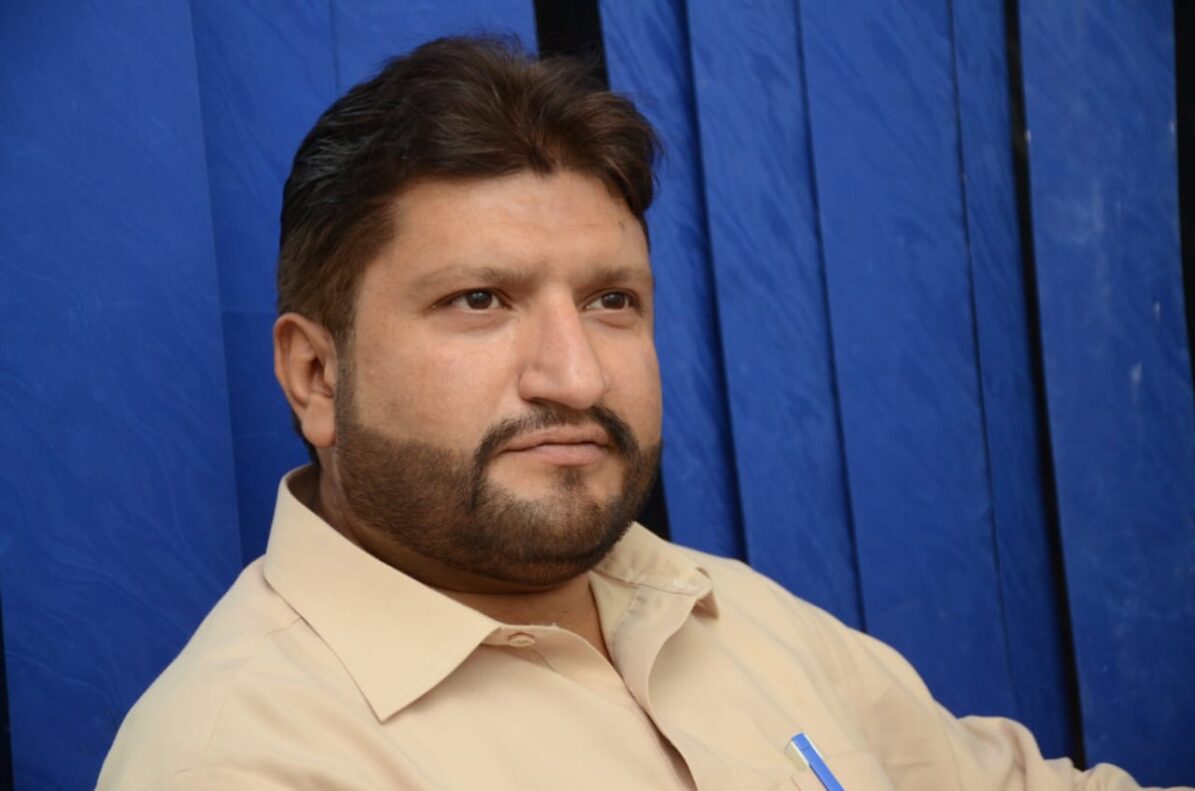
Amjad Hadi Yousafzai
In Pakistan, the family laws concerning minorities—particularly the Christian community—are not only outdated but also poorly implemented. This situation reflects not just a legal gap, but also the state’s priorities, governmental neglect, and the silence of elected representatives.
The Constitution of Pakistan clearly guarantees equal rights to all citizens regardless of religion. Article 20 ensures religious freedom, while Article 25 guarantees equality before the law. Similarly, Article 36 obligates the state to safeguard the legitimate rights and interests of minorities. The question, however, remains: if these constitutional guarantees exist, why are minorities still deprived of justice?
Christian family laws, including the Christian Marriage Act 1872, Divorce Act 1869, and Christian Succession Act 1925, are remnants of the British colonial era. Many provisions within these laws no longer align with contemporary social realities. Complex and unequal divorce procedures, unclear inheritance frameworks, and limited protection for women’s rights are among the major shortcomings of this legal system.
It is the fundamental responsibility of the state to provide a fair and modern legal framework for its citizens. Unfortunately, issues concerning minorities have consistently been treated as secondary. Serious legislative debate on these matters is rarely seen in the corridors of power.
An important question also arises regarding the role of minority members in national and provincial assemblies. These representatives are elected on reserved seats to highlight the issues faced by their communities. However, in reality, many have failed to play a meaningful role. They neither push for effective legislation nor raise their voices in parliament, nor maintain consistent engagement with their communities.
This behavior is not merely political weakness—it reflects a neglect of moral responsibility. Minority representatives must go beyond party lines and recognize their constitutional duty. They should raise issues related to Christian family laws and broader minority concerns in parliamentary committees, introduce private member bills, and collaborate with civil society to push for reforms.
The government must also prioritize reforms in minority family laws. A comprehensive, modern, and human rights–aligned legal framework must be established to ensure full protection of women, children, and vulnerable groups. Alongside this, institutional reforms are essential to ensure effective implementation of laws.
The media plays a crucial role in this entire process. It can not only raise public awareness but also hold policymakers accountable. Especially at the local level, media must consistently highlight minority issues and bring them into the national discourse.
This is not the time for mere statements but for concrete action. The state, government, elected representatives, and civil society must work together to build a system where no citizen has to struggle for their basic rights.
If the Constitution of Pakistan is truly a living document, then its spirit must be implemented in practice—and that is only possible when minorities are given the same rights, protection, and dignity that form the foundation of any civilized society.
