

by Junaid Qaiser
The passing of the Punjab Film City Authority Bill 2026 is a significant and timely move—one that reflects a shift in how Pakistan perceives its role in a world that’s changing fast. For a long time, we’ve gauged national strength mainly through economic metrics and traditional sectors. But nowadays, influence flows through culture, storytelling, and how we’re perceived. In this light, the Film City Bill isn’t just about movies; it’s about investing in Pakistan’s soft power and equipping the nation to craft its own story.
The discussions in the Punjab Assembly were predictably heated, with opposition members questioning the priorities and expressing worries about how resources are allocated. These concerns are completely valid in any democratic setting. However, to view the film industry as a secondary concern misses a larger global truth. The creative economy is no longer on the sidelines—it’s at the heart of growth, identity, and international standing. Countries that recognized this early on have not only built thriving industries but also enhanced their global image. With its rich cultural heritage, Pakistan has the potential to follow suit.
At its heart, the Film City initiative is a long-overdue acknowledgment that storytelling holds immense power. For far too long, the narrative of Pakistan has been shaped by outsiders, often missing the mark on its rich diversity, resilience, and creativity. Establishing a structured and well-supported film industry is a way to take back that narrative. It empowers Pakistan to showcase its story on its own terms—through films, digital content, animation, and visual storytelling that truly connect with audiences around the world.
The envisioned Film City is more than just a collection of studios; it’s about creating a thriving ecosystem. This initiative aims to unite production, post-production, training, and distribution all under one roof. With modern infrastructure paired with educational institutions and media hubs, we can cultivate a sustainable talent pipeline. This is vital because industries don’t spring up overnight; they require ongoing investment in both people and platforms.
Maryam Nawaz Sharif’s push for this initiative highlights a leadership style that’s both courageous and forward-thinking. In a time when unconventional moves can attract criticism, she’s shown a readiness to break traditional molds and look beyond immediate political concerns. Her wider approach—celebrating cultural expression, promoting inclusivity, and supporting projects that enhance Pakistan’s reputation—reflects a vision that goes beyond standard governance. The Film City Bill aligns perfectly with this vision, showcasing her desire to invest in areas that influence not just the economy, but also the nation’s identity and its place in the world. That said, just having legislation isn’t enough.
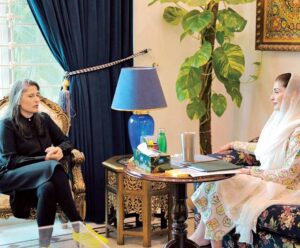
In a related and encouraging development, CM Maryam recently met Sharmeen Obaid-Chinoy, praising her Academy Award-winning work for bringing critical social issues to global attention through documentary filmmaking. During a meeting in Lahore, both discussed the importance of strengthening Pakistan’s arts and media landscape, with particular focus on the proposed Film City project. The exchange reflected a shared understanding that collaboration between policymakers and creative professionals is essential for building a vibrant, globally competitive industry.
During the assembly debate, Senior Minister Marriyum Aurangzeb stressed how urgent reform is, labeling Pakistan’s film industry as a “collapsed” sector that needs a serious revival. She introduced the Film City initiative as a thoughtfully crafted, long-term plan aimed at boosting production capacity and improving the country’s reputation worldwide. She dismissed worries about diverting resources by pointing out the increased funding for education, health, and agriculture.
Meanwhile, Information Minister Azma Bokhari highlighted the concrete actions already being taken—from a dedicated Rs2 billion revival fund and financial support for filmmakers to incentives based on box office performance and the establishment of world-class production facilities. All these efforts reflect a coordinated push to rebuild the industry on sustainable and competitive foundations.
The success of the Film City project will rely heavily on how well it’s put into action. Factors like transparency, consistent policies, investor confidence, and creative freedom will be crucial in determining if this vision becomes a reality. If managed effectively, it could turn into a landmark initiative—one that reshapes Pakistan’s creative landscape and opens up avenues for international collaboration.
Ultimately, the Film City Bill signifies more than just a policy choice; it marks a shift in mindset. It recognizes that in our interconnected world, soft power isn’t just a nice-to-have—it’s a necessity. By nurturing its creative potential, Pakistan is investing in its voice, its image, and its future. This is a positive step forward, one that truly holds promise.
