
Pakistan lags regional peers on support for business women
PROVINCE REPORT
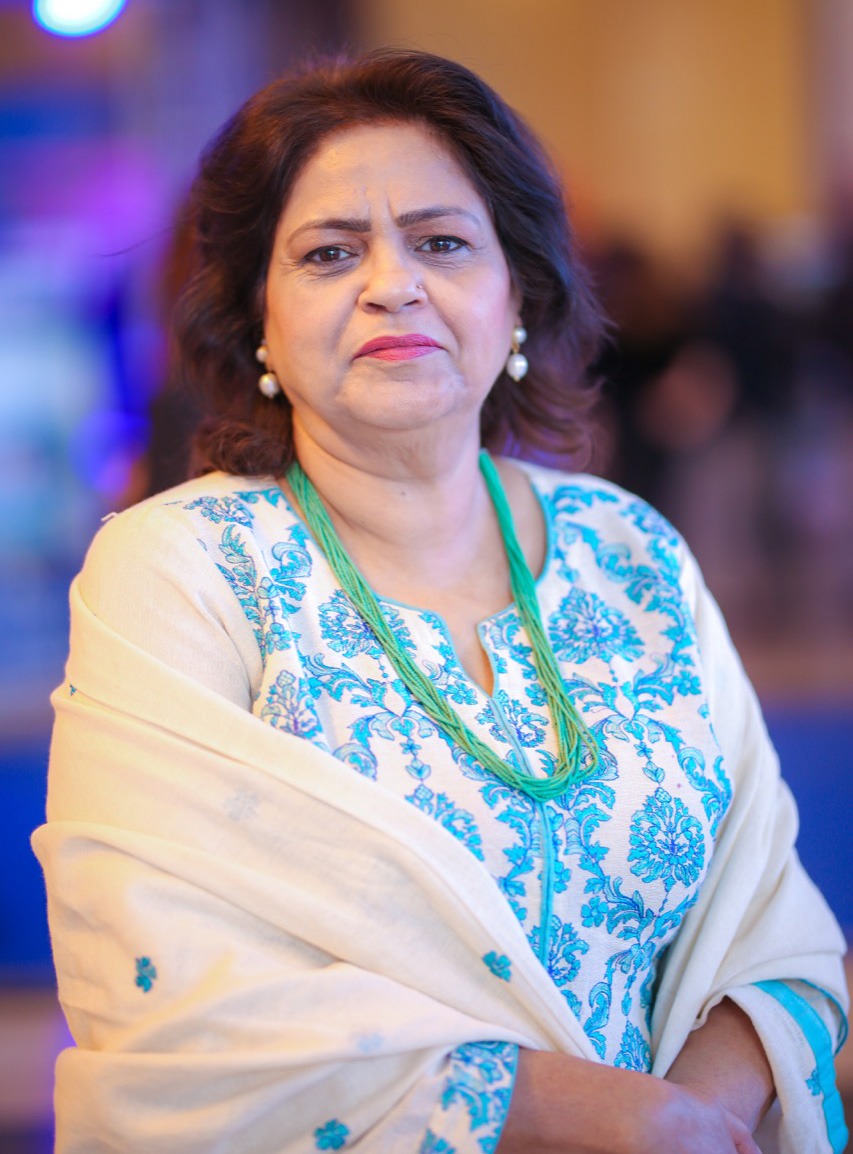
ISLAMABAD :With federal budget for 2026-27 due to be presented in the National Assembly shortly, Samina Fazil, founder president of the Islamabad Women Chamber of Commerce and Industry (IWCCI), is urging the government to treat women entrepreneurs as an economic asset rather than a welfare category, warning that years of policy commitments have produced little practical change damaging economy.
Women remain significantly underrepresented in business. State Bank of Pakistan data shows women own only about eight percent of the country’s more than five million small and medium enterprises. Fazil said the Finance Ministry should bridge the gap between policy rhetoric and fiscal commitment before the budget is finalised.
She noted that women-focused projects accounted for just 0.2 percent of the federal development budget in 2025-26. Combined spending on women-focused education and health programmes stood at only 0.57 percent, while just 1.3 percent of Public Sector Development Programme allocations over the past five years were directed toward women-focused initiatives.
She said our key demands include a dedicated credit line for women entrepreneurs at concessional rates, mandatory representation of women on the boards of the Export Development Fund and SMEDA, reserved procurement quotas for women-led businesses in federal contracts, and replication of Islamabad’s G-11 women’s marketplace model across provincial capitals. IWCCI is also seeking greater inclusion of women in trade delegations and dedicated land allocations. Fazil said successive governments have offered assurances but failed to implement them.
The government launched the National Women Entrepreneurship Policy in November 2025, aiming to increase women’s participation in economic activity, boost women-led exports and improve access to finance. However, the policy lacks funding commitments and enforcement mechanisms, raising concerns about implementation.
Naima Ansari, former vice president of FPCCI, said the contrast with regional peers is stark. Bangladesh’s gender budget stands at about USD 23.7 billion, while its 2.8 million women-led micro and SMEs account for roughly a quarter of all SMEs.
India’s gender budget for 2026-27 is estimated at about USD 52.7 billion, equivalent to 9.37 percent of total federal spending, up from 8.86 percent a year earlier. Malaysia a country of 36 million people, has allocated about USD 164 million for women and youth entrepreneurship, alongside a USD 50 million financing facility for low-income women entrepreneurs and a USD 38 million fund at four percent interest for women-owned small businesses.
Samina Fazil said Pakistan’s Rs17.1 trillion budget for 2026-27 sets a GDP growth target of 4.1 percent and a tax revenue target of Rs15.267 trillion. She argued that expanding women’s participation in the formal economy is a growth strategy rather than a welfare measure. With fiscal space constrained by debt servicing, she said dedicated budget allocations are essential if the National Women Entrepreneurship Policy is to deliver results rather than join a long list of underfunded frameworks.
