
Musarrat ullah Jan
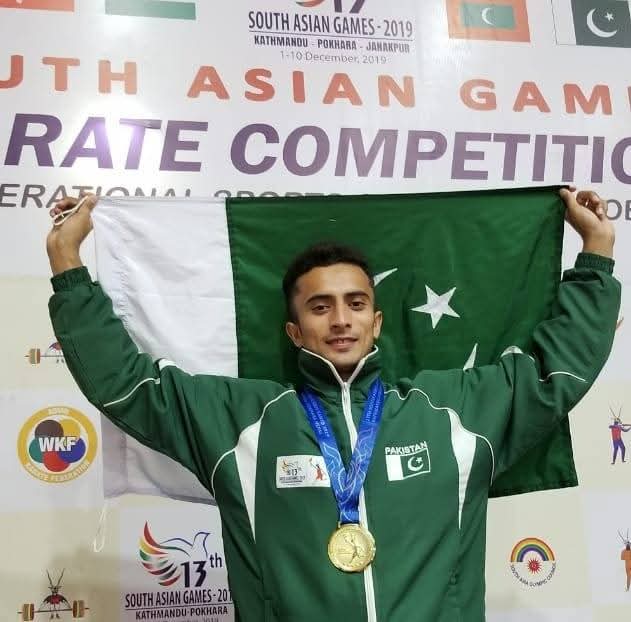
PESHAWAR:* In 2019, after Khyber Pakhtunkhwa karate athlete *Murad Khanwon a gold medal for Pakistan at the South Asian Games, then Provincial Sports Minister Atif Khan publicly announced that the champion would be awarded a residential plot and provided overseas training. At the time, the announcement was hailed as a fitting reward for a national hero. Nearly seven years later, as preparations begin for the 2027 South Asian Games, one fundamental question remains unanswered: **Were those promises ever fulfilled?
Murad Khan’s achievement was no ordinary success. His gold medal brought pride to Pakistan, while reports also highlighted the financial hardships he faced. Following his victory, government officials announced cash rewards, future training opportunities, and additional support for the athlete.
If, in 2026, these commitments still remain unfulfilled, the issue extends far beyond a single athlete. It raises serious questions about government accountability, sports policy, and the credibility of official promises made to national athletes.
The real issue is not who made the announcement. The real question is whether promises made to national athletes expire with a change of government. If one minister publicly commits to rewarding an athlete but a succeeding administration fails to honor that commitment, why should the athlete bear the consequences?
Another important question is whether there were any legal, financial, or administrative hurdles preventing the allotment of the promised plot or the provision of overseas training. If such obstacles existed, why has the relevant department not informed either the public or Murad Khan over the past seven years? Is there any official record documenting the status of these commitments? Is the file still pending, or was the promise merely a ceremonial announcement?
The 2027 South Asian Games are fast approaching. Every government hopes to celebrate new medals, but champions are not produced through speeches and ceremonies alone. They require sustained investment, world-class training, and confidence that the state stands behind them.
This is not an isolated issue in Pakistan. On numerous occasions, internationally successful athletes have complained about delays or failures in receiving promised rewards, facilities, or development opportunities.
This is not about political point-scoring. It is about public accountability. If Murad Khan has already received the promised plot and overseas training, the government should place the relevant records before the public. If the commitments remain outstanding, officials should clearly explain why and provide a public timeline for their fulfillment.
Murad Khan represents more than one athlete. His case reflects the credibility of a system that celebrates its heroes on stage but is often accused of forgetting them once the applause fades.
The following questions deserve clear official answers:
* Has the promised residential plot been formally allotted to Murad Khan?
* Was the promised overseas training ever provided? If not, why?
* If these commitments remain pending, what is the government’s official timeline for fulfilling them?
* Before the 2027 South Asian Games, when will the government honor its outstanding commitments to medal-winning athletes?
National heroes deserve more than applause and photo opportunities. They deserve the fulfillment of the commitments made in recognition of their achievements. If the state cannot honor a public promise to a gold medalist even after seven years, it raises a difficult question: Why should future athletes trust official promises made to them?
