
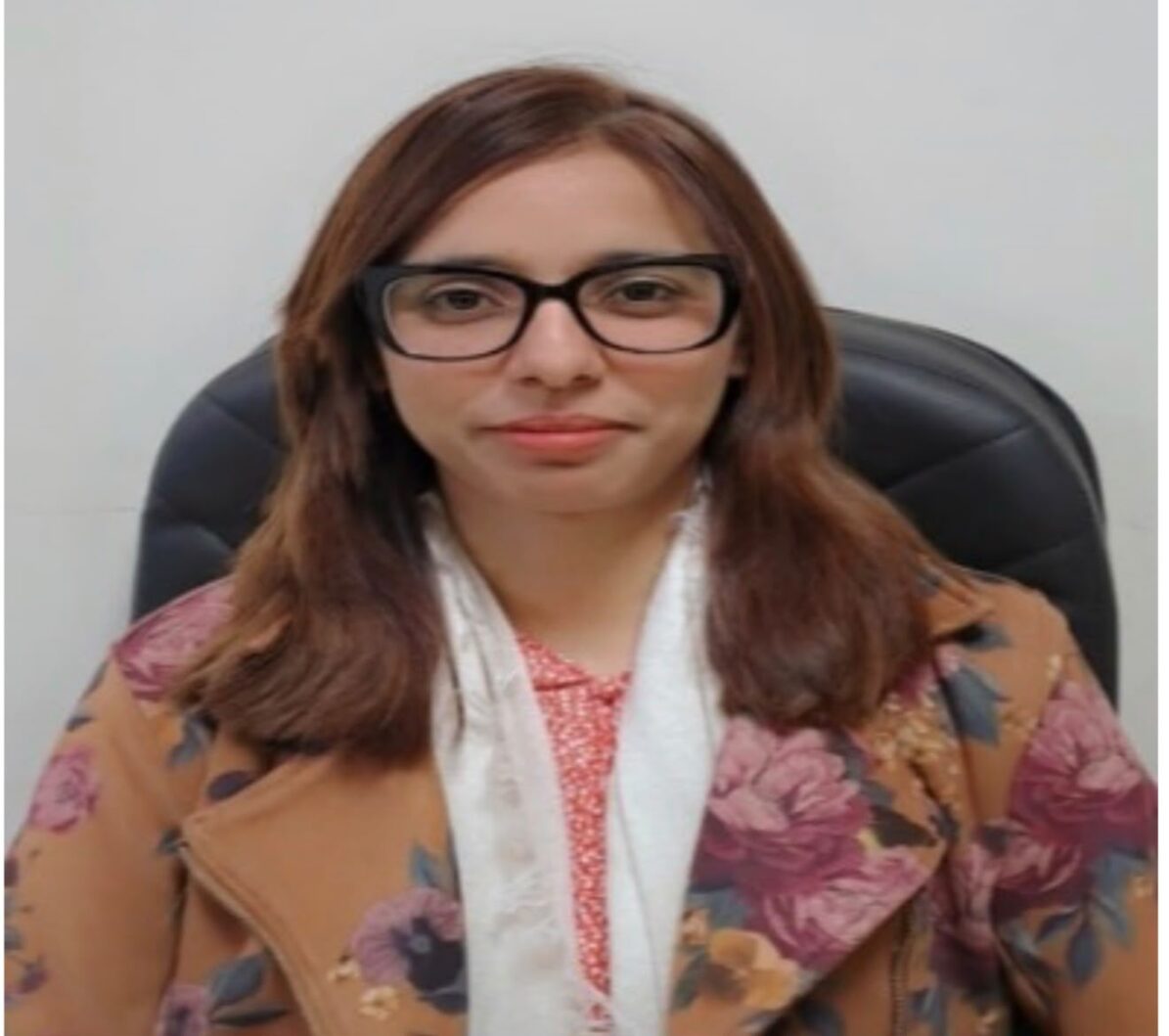
By:Madiha Yousaf
Pakistan has given its citizens a legal right to ask questions of public institutions. Yet a right on paper does not necessarily become a right people can exercise in practice. For many young Pakistanis, particularly university students, the Right to Information (RTI) remains something they may know exists without knowing how to use it.
This gap matters. Young people regularly discuss education, employment, public services, governance and government performance, particularly on social media. But discussion is not the same as access to evidence. A student may question how a scholarship programme is being implemented, what criteria were used in a recruitment process, how public funds were spent, or why a particular service is unavailable. The important question is not only whether young citizens are asking questions, but whether they know how to seek reliable answers.
This is where RTI becomes more than a legal principle. Access to information is an important part of meaningful citizenship. When citizens can obtain official records, decisions and information from public institutions, they are better able to understand how government works, ask informed questions and participate in public affairs on the basis of evidence rather than rumours or assumptions.
For young people, this practical dimension of RTI is particularly valuable. University students already have questions about scholarships, education policies, recruitment processes, public expenditure, development programmes, environmental issues and services affecting their communities. The problem is not necessarily a lack of interest. Rather, there is often a gap between being interested in public affairs and knowing how to engage public institutions effectively.
A student may know that information can be requested and still have no idea which public body to approach, what information can be requested, how an application should be written, or what to do when a response does not arrive. Legal language and unfamiliar administrative procedures can make the process seem more complicated than it needs to be. Awareness of RTI and the ability to use RTI are therefore two different things.
The Digital Voices initiative offers a useful example of how this gap can be addressed. The project approaches RTI as a practical civic skill rather than simply a theoretical concept. Young participants work in groups to prepare and submit RTI requests to relevant government departments, supported by templates, mentoring and review. The value of this approach lies in giving young people first-hand experience of engaging with public institutions and using access to information as a tool for transparency and accountability.
Such practical learning can change how young people understand citizenship. A student who has personally drafted an information request, submitted it to a government department and followed the response process gains a different understanding of accountability from someone who has only read about it in a textbook. Civic participation becomes something that can be practised rather than merely discussed.
Universities can therefore play a larger role in making RTI meaningful for young citizens. Basic RTI awareness could be incorporated into student orientation, civic education courses and extracurricular activities. Students could be taught how to identify the appropriate public body, frame clear questions, submit requests and maintain records of correspondence. Campus-based RTI help desks or civic clubs could also provide guidance to students interested in seeking public information.
But responsibility cannot rest with citizens and universities alone. Public institutions must also make the process easier. Citizens should not have to navigate complicated websites simply to find the relevant information officer or understand how to submit a request. Clear instructions, updated contact information, digital submission options and simple tracking systems could significantly improve accessibility.
Transparency should also not depend entirely on citizens knowing what to ask for. If government departments regularly publish commonly requested information in clear and accessible formats, citizens can obtain answers without going through a lengthy administrative process. Proactive disclosure can therefore reduce the need for individual requests while making public information more accessible.
Timely responses are equally important. An RTI system loses credibility when requests remain unanswered or citizens are repeatedly redirected between departments. The effectiveness of RTI depends on both informed citizens and responsive institutions. The Digital Voices project’s follow-up engagement with the Pakistan Information Commission around response status, implementation challenges and youth access to information reflects the importance of this institutional dimension.
There may be concerns that greater use of RTI could place additional demands on public offices. But the answer to such challenges should be better systems, not weaker access. Clear procedures and proactive disclosure can make information easier to obtain for citizens while also reducing confusion and repeated requests for institutions.
RTI should also be understood as a constructive rather than confrontational mechanism. Requesting information does not necessarily mean accusing a public institution of wrongdoing. It can clarify policies, correct misinformation, improve understanding and create better communication between citizens and government.
For Pakistan’s young people, this distinction is particularly important. Social media encourages immediate reactions to public issues, but immediate reactions are not always based on complete information. RTI offers a different approach: ask a clear question, obtain evidence and then form an informed view. In an environment where rumours and assumptions can spread quickly, this is not merely an administrative skill; it is a form of responsible citizenship.
Pakistan already has a young generation interested in public affairs. The next step is to give that generation practical tools to engage institutions effectively. Universities can teach young people how to use the right, public institutions can make information easier to access, and oversight bodies can help ensure that the system works.
A right that citizens cannot easily exercise remains incomplete. For Pakistan’s youth, making RTI practical can turn access to information from a legal promise into an everyday tool of responsible citizenship.
Madiha Yousaf is a Lecturer at the Faculty of Social Sciences, Hamdard University Islamabad, with an academic background in English Linguistics and Literature. Her teaching and research interests focus on literature, language, cultural narratives, and the role of literary scholarship in understanding contemporary society.
