
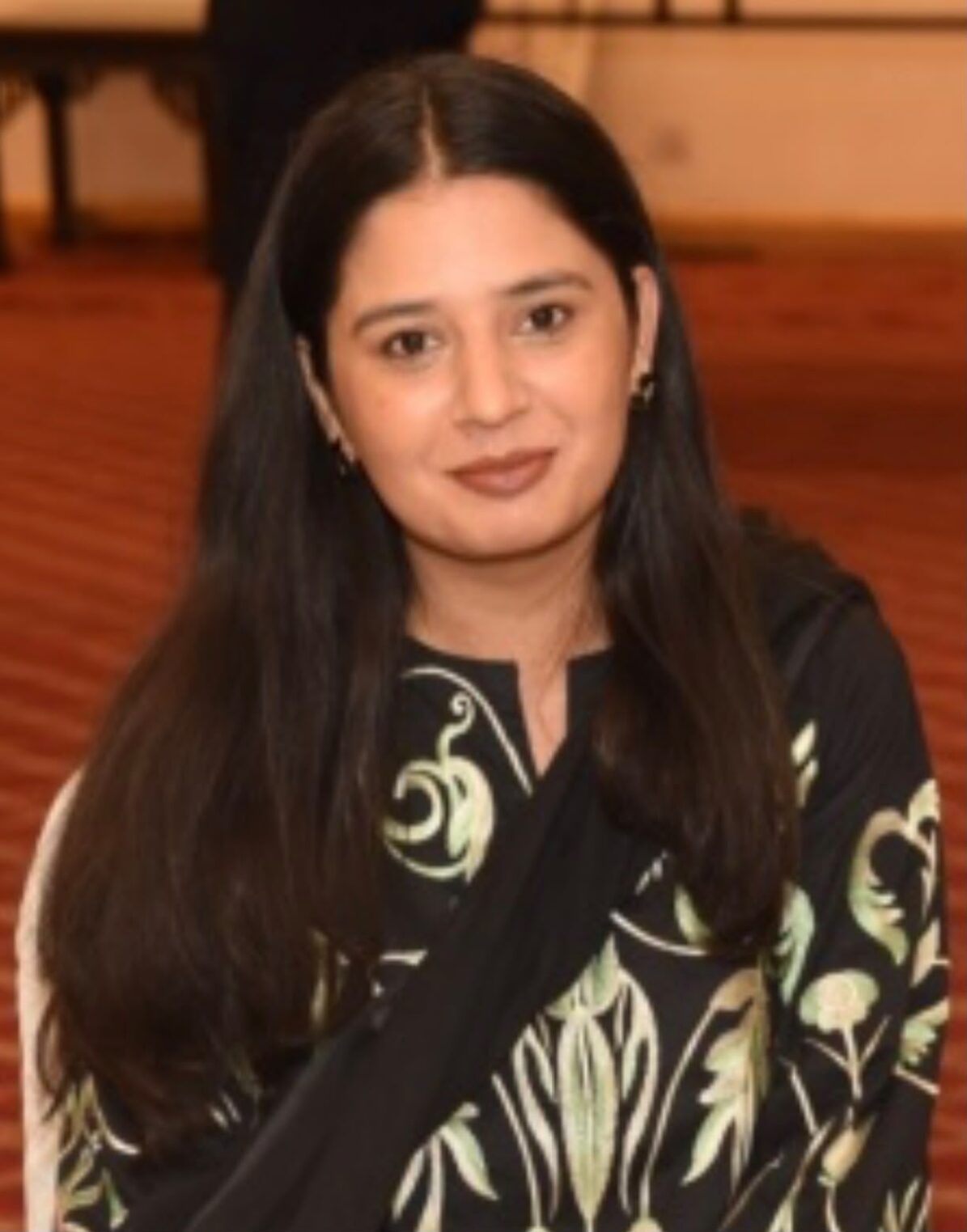
By: Quraba Tul Naseem
Pakistan’s digital transformation has created new opportunities for education, employment, entrepreneurship, communication, and civic participation. Yet these opportunities are not experienced equally. For many women and girls, being online can bring both empowerment and risk.
The gender digital divide is often discussed in terms of access to mobile phones, internet connectivity, and digital skills. These factors are important, but they tell only part of the story. A woman may have access to a smartphone and still hesitate to participate online because of harassment, privacy concerns, social pressure, or fear that her personal information may be misused.
This means that digital inclusion cannot be measured only by whether women are connected. It must also consider whether they can participate safely, confidently, and meaningfully.
Online harassment remains one of the most serious barriers to women’s participation in digital spaces. Women may face unwanted messages, abusive comments, threats, impersonation, misuse of photographs, or attempts to expose their personal information. In some cases, these risks discourage women from expressing their opinions publicly, joining professional networks, or participating in civic discussions.
The result is a quieter but significant form of exclusion. Women may technically be present online while still limiting their participation because the digital environment does not feel safe. They may be connected, but not truly free to engage.
The Digital Civic Solutions Toolkit, developed under the Digital Voices initiative, recognizes this challenge. It emphasizes that an activity cannot be considered inclusive simply because it takes place online. Meaningful participation must take into account access, language, safety, dignity, privacy, and the ability to have a genuine voice.
This is an important lesson for universities, government institutions, civil society organizations, and technology platforms in Pakistan.
Universities can play a particularly important role because they are often the first places where young women begin to participate more actively in academic, professional, and public digital spaces. Students should receive practical guidance on privacy settings, account security, reporting abusive behavior, protecting personal information, and responding to online harassment.
Digital safety should not be treated as an optional technical subject. It should become a part of student orientation and digital literacy programs for both women and men. Male students, too, need to understand responsible online behavior, consent, privacy, and the consequences of harassment. Creating a safer digital environment is not only about teaching women how to protect themselves; it is also about building a culture in which everyone understands their responsibility toward others.
Safety must also be built into the design of digital programs and campaigns from the beginning. Organizations sometimes ask participants to share photographs, names, contact details, or social media handles without considering whether this information is actually necessary. Public visibility should never become a condition for participation.
The Digital Voices toolkit encourages organizers to ask practical questions before launching online activities: Is it necessary to publish participants’ names or photographs? Could a post reveal someone’s location? Are there clear rules for moderating abusive comments? Can participants withdraw permission for their photographs or quotations to be used?
These may seem like simple questions, but they represent an important shift from reacting to harm after it happens to preventing unnecessary risks from the very beginning. In digital spaces, responsible inclusion means thinking about safety before asking people to step into the spotlight.
Digital inclusion also requires attention to practical barriers. Not every young woman has access to high-speed internet, an expensive device, or a private space from which to participate online. Content that works well on a laptop with strong broadband may not be accessible to someone using a basic smartphone and limited mobile data.
Language matters as well. Digital information available only in technical English may exclude many potential users. Greater use of Urdu and regional languages, low-bandwidth formats, and accessible digital materials can help broaden participation and make digital spaces more welcoming to a wider range of people.
Public institutions also have a responsibility to make reporting and support mechanisms easier to understand. Women facing digital harassment should know where they can seek help and what steps they can take to preserve evidence, protect their accounts, and report abuse. Information about these mechanisms should be communicated clearly rather than being buried in complicated procedures.
At the same time, the conversation must go beyond protection. Women should not be viewed only as potential victims of online harm. They are students, professionals, entrepreneurs, researchers, activists, creators, and community leaders. They are not simply users of digital spaces; they are also shaping them. A safer digital environment should enable women to contribute more fully to public life, rather than encouraging them to remain silent or invisible.
Closing Pakistan’s gender digital divide therefore requires a broader understanding of inclusion. Access matters, but so do privacy, safety, confidence, affordability, language, and the ability to speak without fear.
Pakistan cannot achieve meaningful digital transformation while a large part of its population feels constrained in digital spaces. Connectivity alone cannot close the divide if fear continues to stand between access and participation.
The goal should not simply be to bring more women online. It should be to create an environment in which they can learn, work, communicate, innovate, and participate in public life with dignity, confidence, and security.
A truly digital Pakistan will not be defined only by the number of people connected to the internet. It will be defined by what those connections make possible, and whether everyone, including women and girls, can use them safely, freely, and with confidence.
Quraba tul Naseem is a Lecturer in the Department of English, Faculty of Social Sciences, Hamdard University Islamabad, with an academic background in English Linguistics and Literature. Her teaching and research interests focus on language studies, linguistics, critical thinking, and the interdisciplinary relationship between language, culture, and society.
