
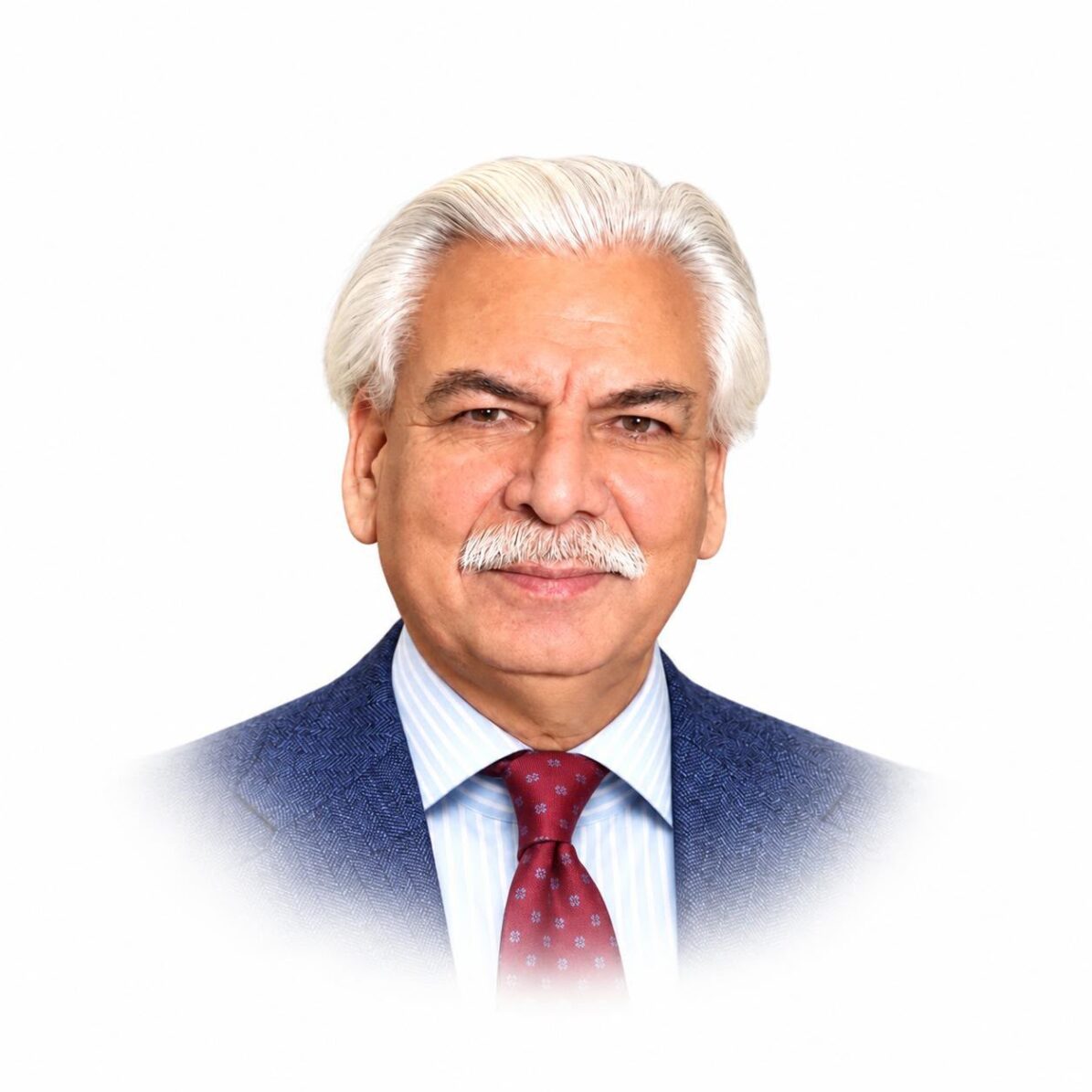
Barrister Usman Ali, Ph.D.
For a mother unable to find medicine for her sick child, a graduate searching for work, or a family living without clean water, the location of a provincial boundary is hardly the most urgent concern. Their question is simpler: when will life improve? Yet in Pakistan’s renewed debate over creating provinces, the needs of those who would live within them risk becoming an afterthought. Politicians argue over where lines should be drawn, while citizens wait for services that should never have depended on those lines.
Bilawal Bhutto Zardari’s November 17 address at the Karachi Press Club brought the dispute into sharper focus. He opposed any forced division of Sindh and stressed constitutional procedures and public consent. Advocates of smaller provinces, meanwhile, contend that distant regional communities are poorly represented in decisions taken from provincial capitals. Both arguments deserve scrutiny. Neither answers the decisive question: what arrangement would actually improve people’s lives?
A new province could shorten the distance between residents and administrators, give neglected areas a stronger voice and allow budgets to reflect local priorities. But new assemblies, secretariats and governors’ residences also carry costs. None guarantees better schools, accessible healthcare or jobs. Without a credible transfer of authority and resources, deprivation may simply acquire a new administrative address.
Nor can the defence of existing borders rest on history and identity alone. Cultural attachment deserves respect, but it cannot substitute for reliable public services. Communities within a single province often face sharply unequal opportunities. Those who oppose division should therefore offer an equally convincing answer to regional exclusion: how will remote districts gain influence, funding and access to government under the present arrangement?
Pakistan already has a constitutional starting point. Article 140A requires provinces to establish elected local governments and devolve political, administrative and financial responsibility to them. The 18th Amendment strengthened provincial autonomy, but devolution has too often stopped at provincial capitals. A World Bank report released in July 2026 found that local governments’ share of total public spending fell from roughly 10 percent in 2005 to less than 5 percent in 2024. That decline reveals the gap between decentralisation as a promise and decentralisation in practice.
Why should a resident need the attention of a provincial minister to fix drainage, maintain a local road or secure clean drinking water? Elected councils need predictable funding, competent staff and the authority to make decisions. Provincial governments should set standards and ensure fair distribution; local officials should deliver services and answer publicly for failures. The point is not to create another layer of offices, but to make responsibility visible and accessible.
Funding should follow need, not merely political influence or historical allocations. Provincial Finance Commissions can account for population, poverty, remoteness and gaps in essential services when distributing resources. Each district should publish a plain-language annual account showing which schools function, whether clinics have basic medicines, how much development money was released and what was completed. Public hearings, accessible records and deadlines for resolving complaints would allow residents to challenge explanations rather than accept announcements. None of this requires a new provincial map.
Devolution cannot mean abandoning oversight. Provincial laws should guarantee regular local elections, independent audits and transparent contracts. Women, minorities and residents of remote settlements deserve a meaningful role in spending decisions. Otherwise, authority may leave a provincial capital only to settle with local power brokers. The objective is government closer to citizens, not another gatekeeper between them and the state.
Those campaigning for new provinces should face a comparable test of evidence. What would the transition cost? How would revenue, debt, civil-service positions, water and other assets be shared? What improvements could be demonstrated within five years, and who would be accountable if they failed to materialise? Any plan must also consider the economic and cultural ties of communities on either side of a proposed border. Under Article 239(4), changing a province’s limits requires a constitutional amendment approved by a two-thirds majority of the affected provincial assembly. A political slogan, or a referendum alone, cannot replace that requirement.
The dispute also requires a public feasibility review comparing the cost and likely results of new provinces with stronger existing districts. Such an exercise would not resolve disagreements over identity, but it could replace slogans with evidence ordinary citizens can examine and challenge.
The crisis in Khyber Pakhtunkhwa shows why governance cannot be judged by structural changes alone. Emergency measures and governor’s rule were introduced on October 11, with the federal government citing security and administrative concerns; critics challenged the move on political and constitutional grounds. For residents exposed to violence, the immediate questions are practical. Can families travel safely? Can children attend classes? Can businesses reopen? Extraordinary measures demand clear objectives, respect for rights and publicly verifiable progress.
Balochistan presents a different but related test. Security responses must be accompanied by meaningful local participation, fair access to the benefits of natural resources and investment in everyday services. A major project is not a success simply because it looks impressive on a government presentation. Its value is measured in the opportunities it creates for nearby communities. Young people, women and local representatives should help set priorities rather than be invited only to endorse decisions already made.
Pakistan therefore needs a public-service agenda that survives changes of government. Set a small number of measurable goals: functioning primary schools, stocked basic health facilities, safe water and credible routes from skills training to paid work. Publish the baseline, budget, deadline and responsible agency for each commitment. Measure delivery independently. When targets are missed, explain why and what will change. Citizens should be able to compare districts, not merely listen to competing claims from political parties.
This approach also offers a fairer way to assess the provincial debate. If a new province would deliver better representation and services at a reasonable cost, demonstrate it with evidence. If existing provinces can achieve the same results through genuine local autonomy, show how and by when. Neither preserving a boundary nor altering it should be an end in itself. Both choices must answer to the people affected, through lawful procedures and informed consultation.
Otherwise, another round of restructuring could become little more than an expansion of political patronage: additional governors, chief ministers, ministers, advisers and official privileges for already influential networks. Public expenditure would rise while the citizen’s daily experience remained largely unchanged. That is not reform; it is redistribution of offices.
Pakistan’s leaders face a choice that is both simpler and more demanding than drawing lines on a map: do they want to redraw the country’s boundaries, or change the lives of the people who live within them?
