
IPOR study highlights gaps in enforcement of Pakistan Tobacco Board regulations; 85pc of growers offered prices below official rates
By Shamsul Haq
Tobacco is a major cash crop in Khyber Pakhtunkhwa, particularly in Mardan, Swabi, Charsadda, Buner, Mansehra and the Malakand region, where it serves as a primary source of income for thousands of farming households. Unlike other major cash crops such as cotton and sugarcane, tobacco production and procurement are governed by a dedicated regulatory framework, administered by the Pakistan Tobacco Board (PTB), which is responsible for regulating the sector and facilitating relations between the government, growers and tobacco companies.
However, the board’s performance has remained a source of concern for tobacco growers and other stakeholders. Pakistan’s tobacco production and procurement system has once again come under scrutiny following an independent study by the Institute for Public Opinion Research (IPOR), which has identified a significant gap between the existing regulatory framework and actual market practices. The findings suggest that growers are not only suffering financial losses but that a parallel system of informal and undocumented procurement is also taking root.
The study, titled An Assessment of Tobacco Production, Marketing and Procurement Practices in Pakistan, collected data from 1,200 tobacco growers in Mardan, Swabi and Charsadda. According to its findings, 45 per cent of the respondents had no written procurement agreement before the start of the growing season, while 52pc sold their produce to buyers or dealers with whom they had no direct contractual arrangement.
The study also found substantial differences in the prices received by growers, depending on the channel through which they sold their produce. Farmers supplying international tobacco companies received an average of Rs720 per kilogramme, compared to Rs559 per kg for those selling to smaller companies and just Rs471 per kg for growers selling through dealers.
More concerning is the finding that 85pc of growers who faced difficulties because of the absence of formal procurement agreements said they had been offered prices below the rates fixed by the Pakistan Tobacco Board. While these are survey findings, some growers’ representatives maintain that their produce is occasionally rejected on the grounds that it falls into lower grades, raising further concerns about the grading and procurement process.
Payment practices also point to weaknesses in the procurement system. According to the study, 52pc of growers who sold tobacco under informal arrangements received cash payments, while 36pc were paid immediately at the point of sale. Procurement outside designated purchasing centres raises concerns about transaction transparency, the availability of verifiable records and effective government oversight.
The primary objective of the PTB’s regulatory framework is to protect growers’ interests and ensure an organised procurement process. Under the system, tobacco companies and dealers are required to purchase tobacco at the government-prescribed average price and fulfil their allocated procurement quotas. However, the IPOR findings suggest that despite the existence of regulations, weaknesses in their enforcement have allowed informal buyers to expand their role in the market.
Another important dimension of the problem is the potential growth of illegal tobacco trading. When procurement takes place through informal channels rather than designated purchasing centres and documented agreements, tracking the movement of tobacco and identifying its ultimate buyers becomes difficult. This creates opportunities for undocumented supply chains to flourish and raises concerns about potential losses to government revenue.
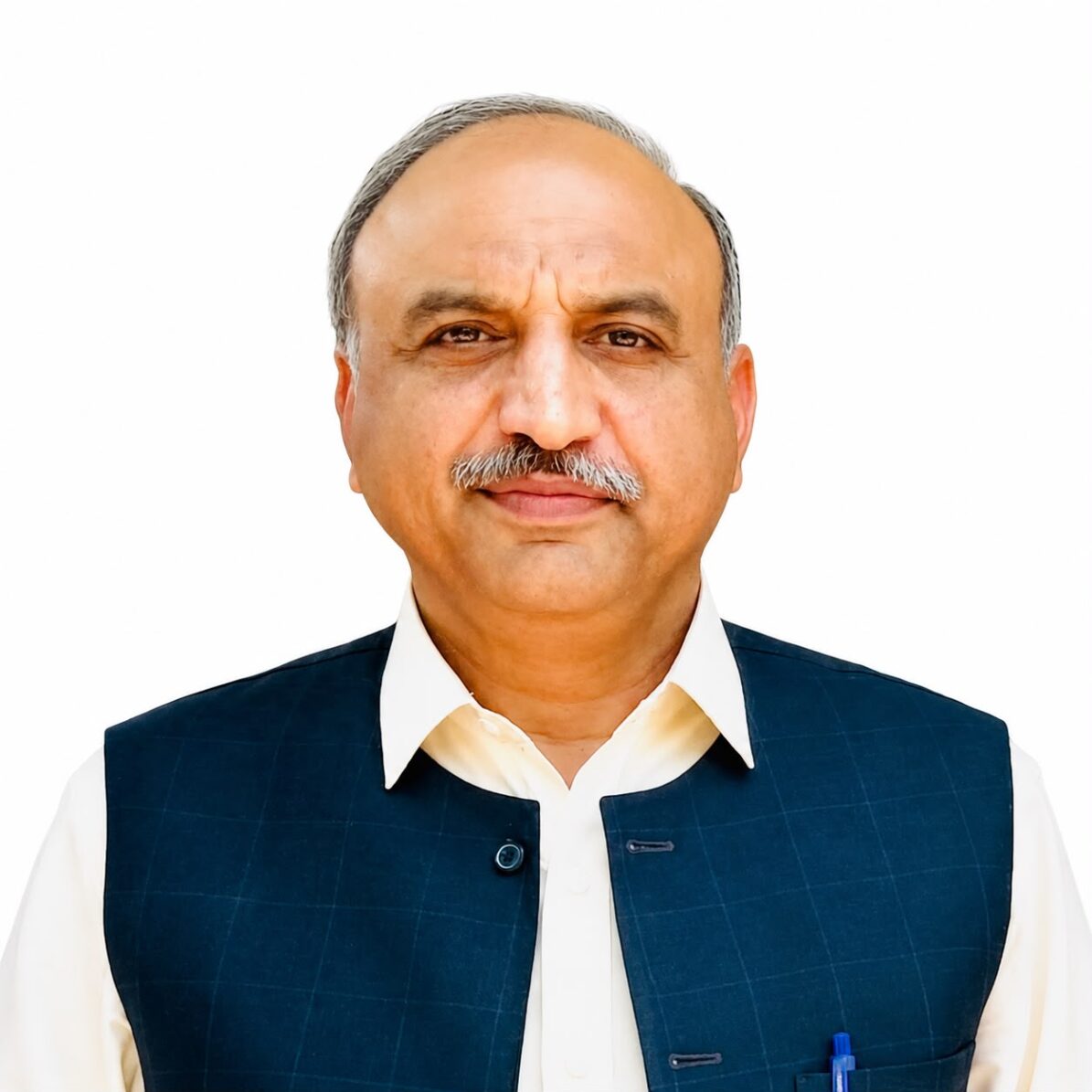
According to IPOR Executive Director Tariq Junaid, the fundamental problem lies in the ineffective implementation of the existing regulatory framework. He says procurement through third parties exposes growers to uncertainty and increases the likelihood of their produce being purchased below officially prescribed rates.
He has emphasised the need to strengthen buyers’ accountability, ensure effective monitoring of procurement quotas and improve growers’ access to written agreements.
Another significant finding is that 62pc of the surveyed growers identified procurement agreements with international tobacco companies, or an increase in their purchasing quotas, as key measures for improving the existing system. This indicates that farmers want a more organised and transparent procurement mechanism that guarantees fair prices and timely payments for their produce.
Thousands of farming families depend on tobacco cultivation for their livelihoods. It is therefore imperative that the Pakistan Tobacco Board move beyond the mere existence of regulations and ensure their effective implementation.
Bringing all procurement channels within the regulatory framework, discouraging informal purchases, monitoring companies’ allocated quotas and promoting written agreements with growers are essential steps towards addressing the problem.
Ultimately, a transparent and properly regulated procurement system is vital not only for protecting growers’ economic interests but also for safeguarding legitimate tobacco trade and government revenue.
