
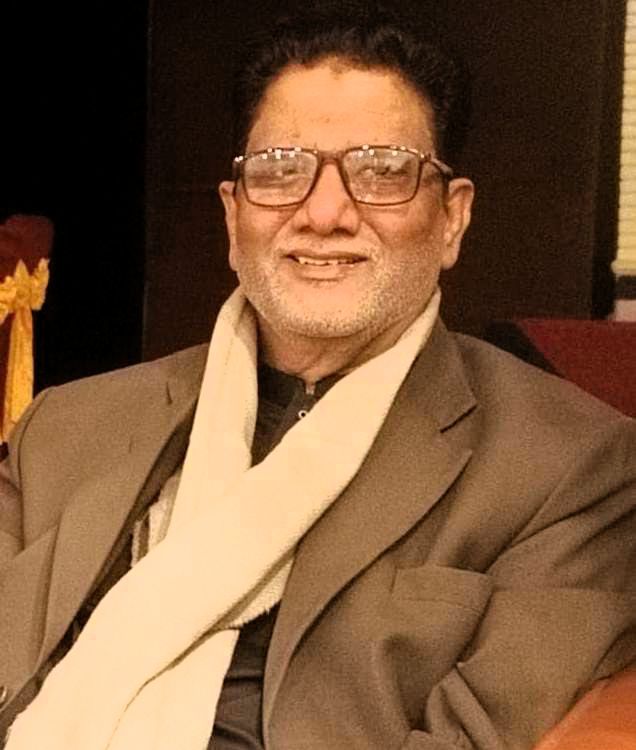
Zaheer Haider Jafri
The recent visit of Pakistan’s Prime Minister to the Kingdom of Saudi Arabia has opened a promising chapter in the long standing friendship between the two Muslim nations. The trip, which focused on strategic dialogue, economic partnership, and security cooperation, underscored a mutual determination to build on shared values and face emerging challenges together.
Pakistan and Saudi Arabia have always enjoyed a special bond grounded in their common Islamic heritage. From Pakistan’s earliest days, Riyadh stood by Islamabad, providing diplomatic support, energy resources, and opportunities for millions of Pakistani workers. For Pakistan, Saudi Arabia has been not only a vital economic partner but also the custodian of Islam’s two holiest mosques an honor that commands deep respect among Pakistanis.
Over the decades, this relationship has weathered political shifts and regional upheavals. Yet the essential character of trust and solidarity has remained intact. The Prime Minister’s latest visit reaffirmed that both countries remain committed to strengthening this legacy in a rapidly changing world.
During high level meetings in Riyadh and Jeddah, the two sides explored a wide spectrum of cooperation. Energy security topped the agenda, with discussions on long term oil supply agreements, joint ventures in renewable energy, and investment in Pakistan’s refining and petrochemical sectors.
Economic diversification is a shared priority. Saudi Arabia’s Vision 2030 seeks to transform its economy beyond hydrocarbons, while Pakistan is eager to attract foreign capital and modernize its infrastructure. Officials agreed to accelerate work on projects in mining, agriculture, information technology, and tourism
areas where Pakistan’s youthful workforce and abundant resources can complement Saudi capital and expertise.
The visit also advanced collaboration through the Pakistan Saudi Supreme Coordination Council, a platform designed to monitor and deliver on bilateral initiatives. Both sides pledged to simplify procedures for investors and encourage private sector partnerships that could create thousands of jobs.
One of the most significant aspects of the visit was Pakistan’s renewed commitment to safeguarding the sanctity of the Two Holy Mosques in Makkah and Madinah. Pakistani leaders reiterated that the defense of these sacred places is a sacred duty for their nation. This assurance reflects not only religious devotion but also Islamabad’s recognition of Saudi Arabia’s central role in the Muslim world.
Military and counter errorism cooperation featured prominently in talks between defense officials. Pakistan’s professional armed forces have long worked with their Saudi counterparts in training and advisory roles. The Prime Minister emphasized that Pakistan would stand shoulder to shoulder with Saudi Arabia against any threat to its territorial integrity or the security of its holy sanctuaries.
Beyond bilateral matters, discussions covered pressing regional and global issues. Both governments underlined the importance of stability in the Middle East, peaceful resolution of conflicts, and constructive engagement among Muslim nations. They welcomed dialogue between Gulf states and emphasized the need to shield the region from sectarian strife and external interference.
On Afghanistan, the two sides agreed on the importance of humanitarian support and an inclusive political process. Regarding the Palestinian question, they reaffirmed backing for a just solution based on international law, ensuring the rights and dignity of the Palestinian people. Pakistan also voiced support for Saudi efforts to mediate and de escalate tensions in various theaters, from Yemen to Sudan.
For Pakistan, deepening ties with Riyadh carries special significance at a time of fiscal challenges. Saudi Arabia has historically extended financial support in moments of crisis, whether through deposits in Pakistan’s central bank, deferred oil payments, or development grants. The visit renewed hopes for further assistance to stabilize Pakistan’s balance of payments while creating long term trade and investment avenues.
Pakistani expatriates in the Kingdom over two million strong remain a cornerstone of this relationship. Their remittances provide vital income for families back home, and their contributions to Saudi industries foster goodwill between peoples. The leadership in Islamabad urged continued facilitation of Pakistani workers, including upskilling programs to align with Vision 2030.
While tradition binds Pakistan and Saudi Arabia, the new era calls for bold innovation. The Prime Minister’s meetings with Saudi business leaders highlighted opportunities in technology, digital finance, and smart agriculture. Cultural exchanges and youth programs were proposed to bridge communities and showcase Pakistan’s rich heritage alongside the Kingdom’s modernizing landscape.
Environmental cooperation also gained attention. As climate change intensifies, both countries are vulnerable to extreme weather and resource stress. They discussed joint research on water conservation, desert agriculture, and green energy solutions areas where shared knowledge could safeguard future generations.
Despite the warmth of official statements, both sides recognize that translating vision into action requires sustained effort. Bureaucratic hurdles, security uncertainties, and fluctuating global markets can impede progress. Pakistan’s internal economic reforms and political stability will determine its capacity to deliver on agreements. Likewise, Saudi Arabia’s ambitious transformation agenda faces its own complexities.
Nevertheless, the strategic logic of partnership remains compelling. In an interconnected world, neither Islamabad nor Riyadh can achieve their aspirations in isolation. By pooling resources, sharing expertise, and coordinating policies, they can bolster not only their own prosperity but also the cohesion of the wider Muslim communi
The Prime Minister’s visit to Saudi Arabia was more than a diplomatic courtesy; it was a statement of intent. It signaled that Pakistan and Saudi Arabia are ready to recalibrate their historic friendship for the demands of the 21st century. With pledges to defend the sanctity of Islam’s holiest sites, expand trade, and jointly navigate geopolitical turbulence, the two nations stand on the threshold of a deeper alliance.
As the motorcades departed Riyadh and Jeddah, optimism prevailed that this new era of cooperation will translate into concrete benefits for ordinary citizens from affordable energy and better jobs to strengthened security and cultural pride. The task now is to convert goodwill into measurable achievements. If both governments remain focused and forward-looking, the Pakistan Saudi partnership can continue to shine as a beacon of solidarity, resilience, and shared progress in the Muslim world.
