
By Anwarzada Gulyar
In the tribal district of Bajaur, where decades of terrorism, unemployment, natural disasters, and economic hardship have profoundly affected thousands of families, a few individuals have quietly dedicated their lives to serving humanity. Among them is journalist and social worker Zahid Jan, whose humble charitable efforts, which began in 2013, have grown into a remarkable humanitarian movement.
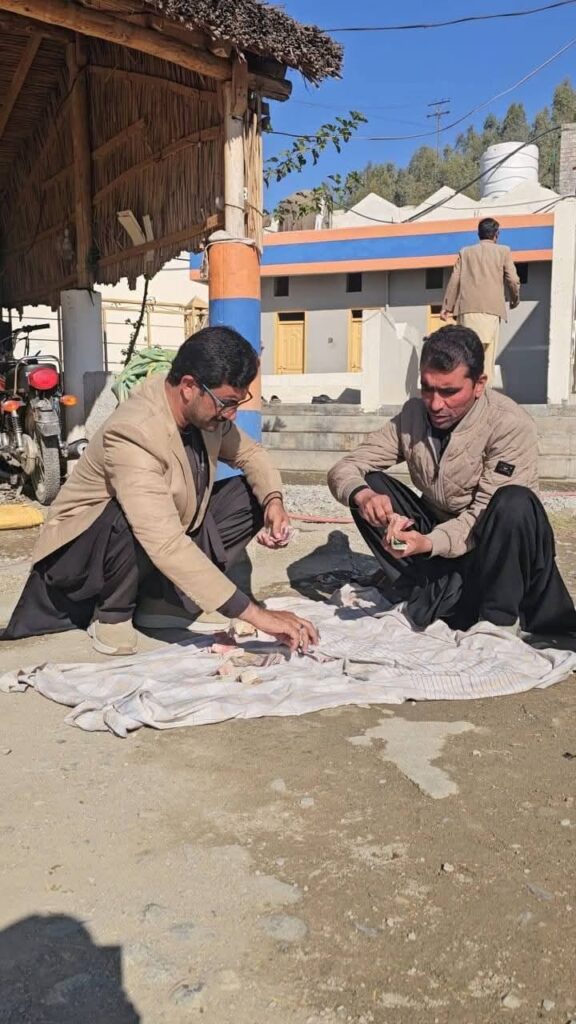
Initially, Zahid Jan assisted underprivileged families with limited personal resources. Over time, however, the scope of his welfare work expanded significantly. Today, his efforts have helped many widows support their families, enabled numerous unemployed individuals to become self-reliant, and restored hope to countless households. He firmly believes that providing sustainable employment is far more meaningful than offering temporary financial assistance. Guided by this philosophy, he has helped establish small businesses for deserving individuals, including providing a rickshaw to one beneficiary so he could earn a dignified livelihood.
Alongside the late Malik Zia Shaheed, Zahid Jan also completed a unique religious project in Bajaur known as “Quran Mahal.” Built at a cost exceeding PKR 10 million, the institution respectfully preserves old, worn, and damaged copies of the Holy Quran. It is regarded as a unique and exemplary initiative in the region.
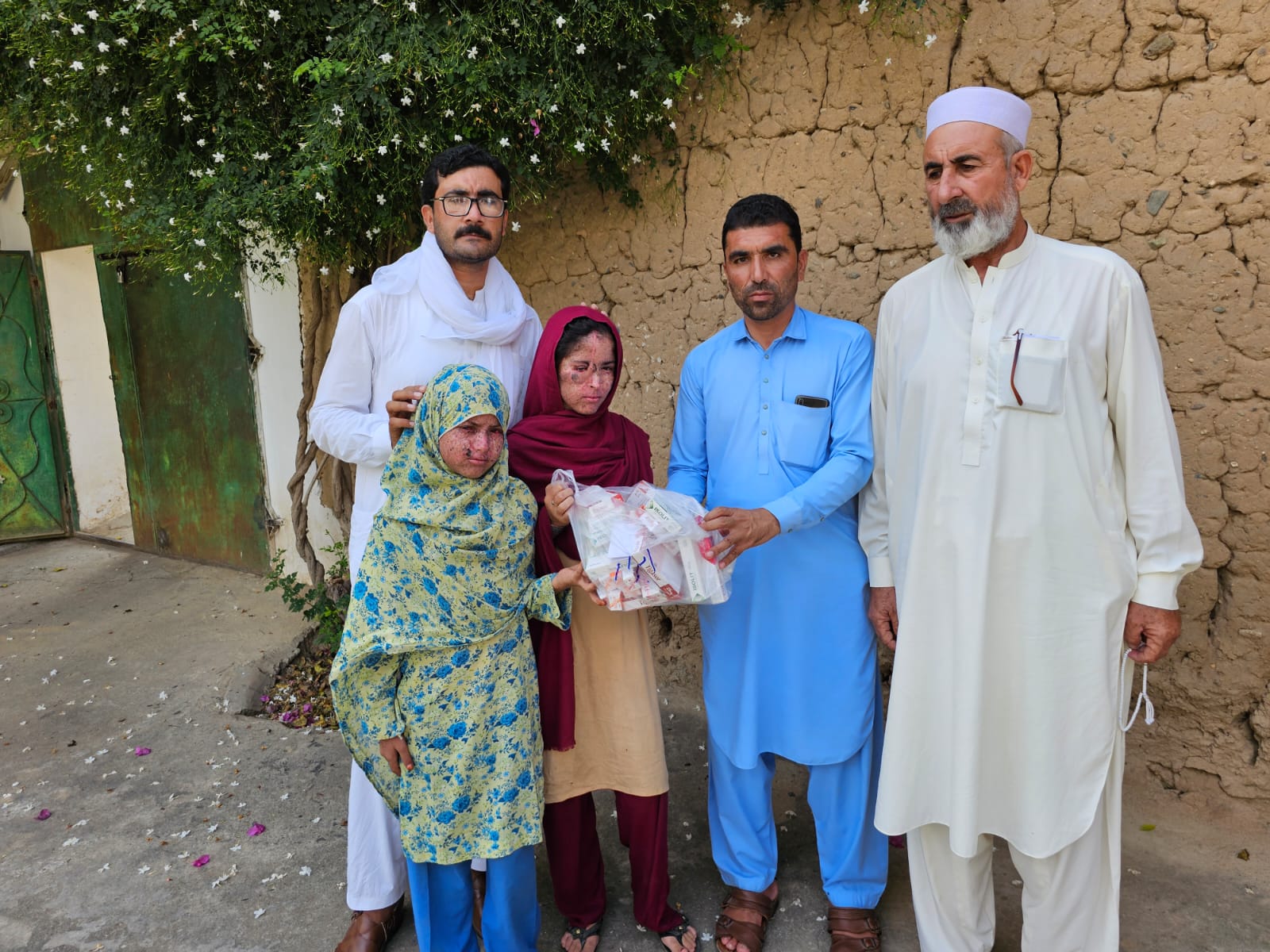
His humanitarian work extends beyond poverty alleviation to supporting people suffering from serious illnesses and disabilities. He has arranged both medical treatment and accommodation for children affected by the rare genetic disorder Xeroderma, while also playing a significant role in assisting cancer patients. Together with the late Malik Zia Shaheed, he contributed PKR 4 million for the treatment of one patient at the Combined Military Hospital (CMH), and later arranged PKR 1.3 million for another cancer patient. Over the past seven years, nearly PKR 2 million has also been spent on the treatment of four sisters from Chinar village in Tehsil Salarzai.
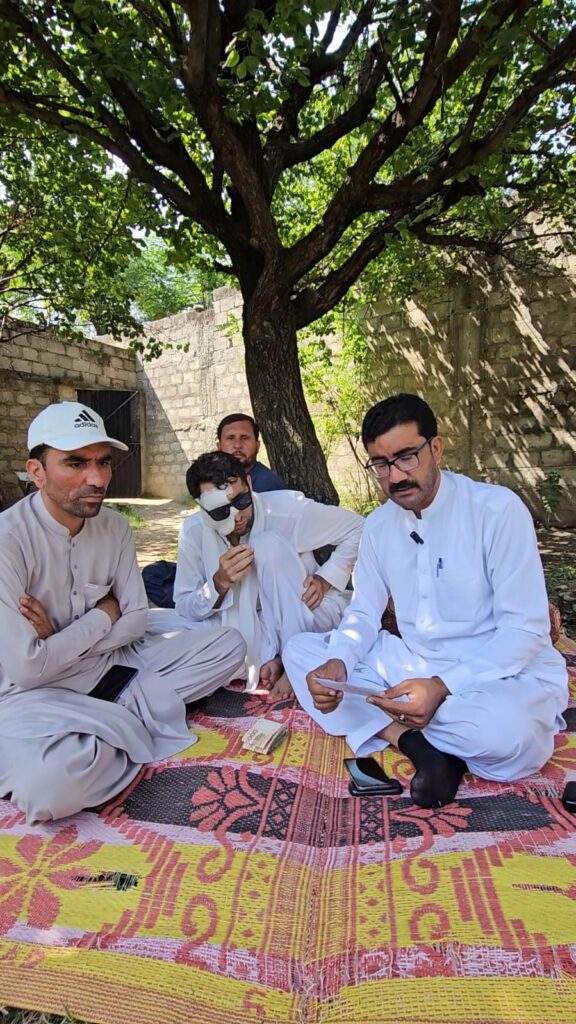
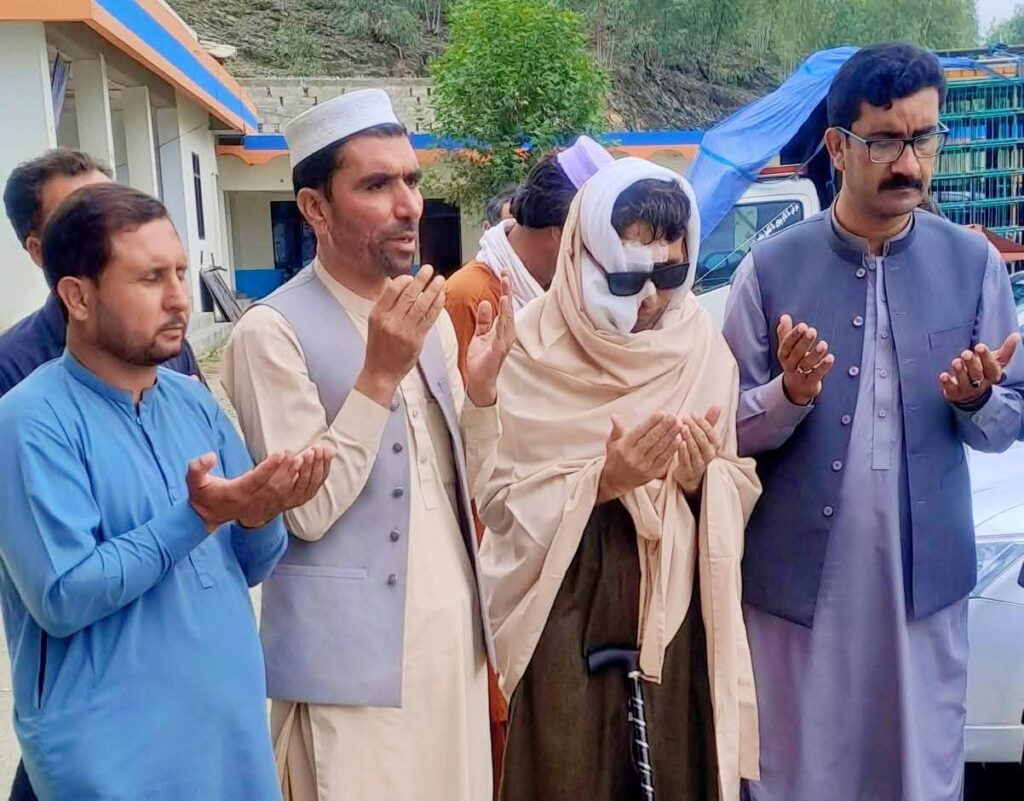
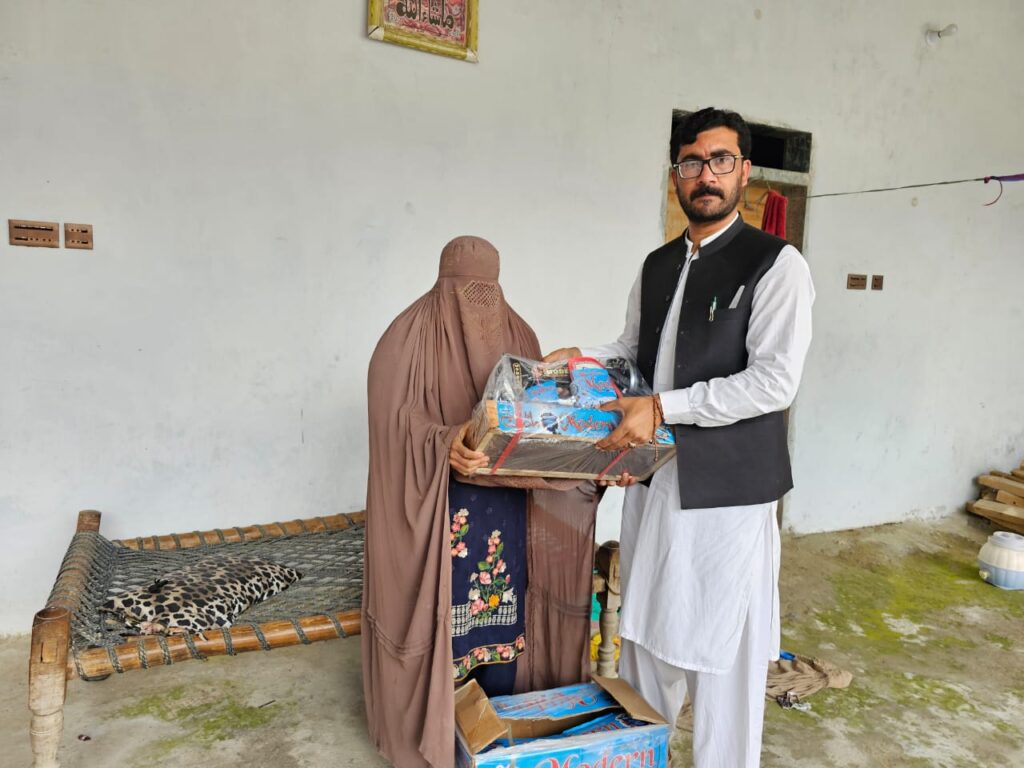
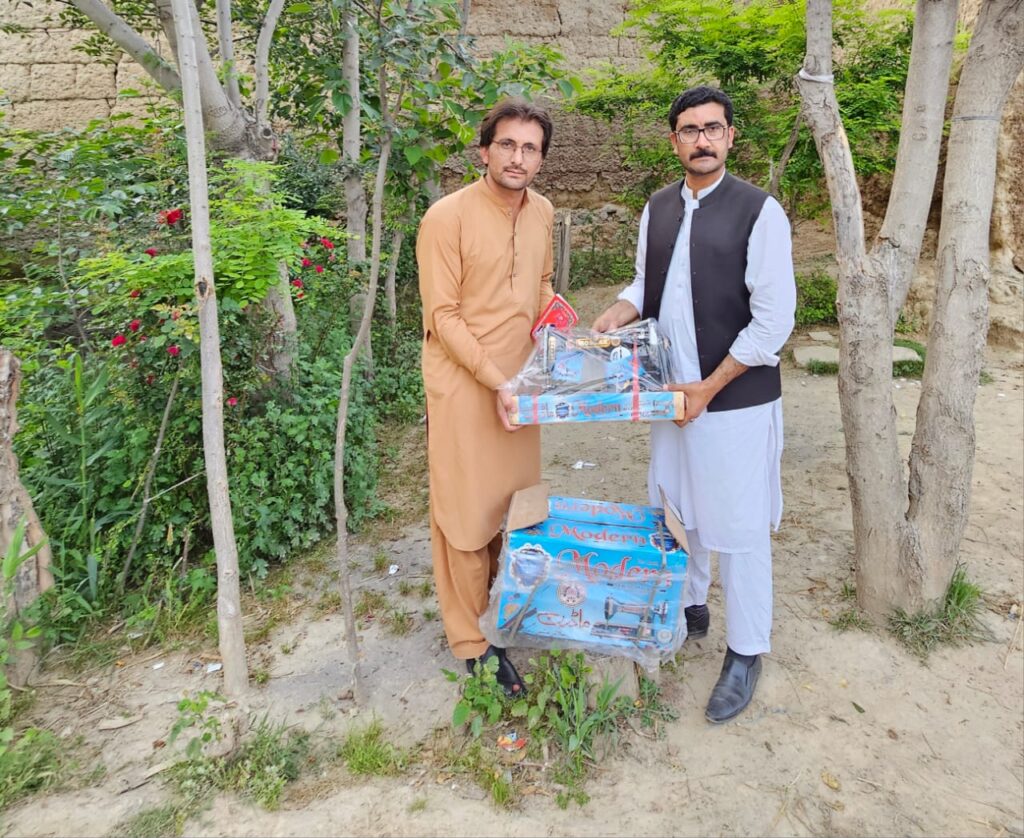
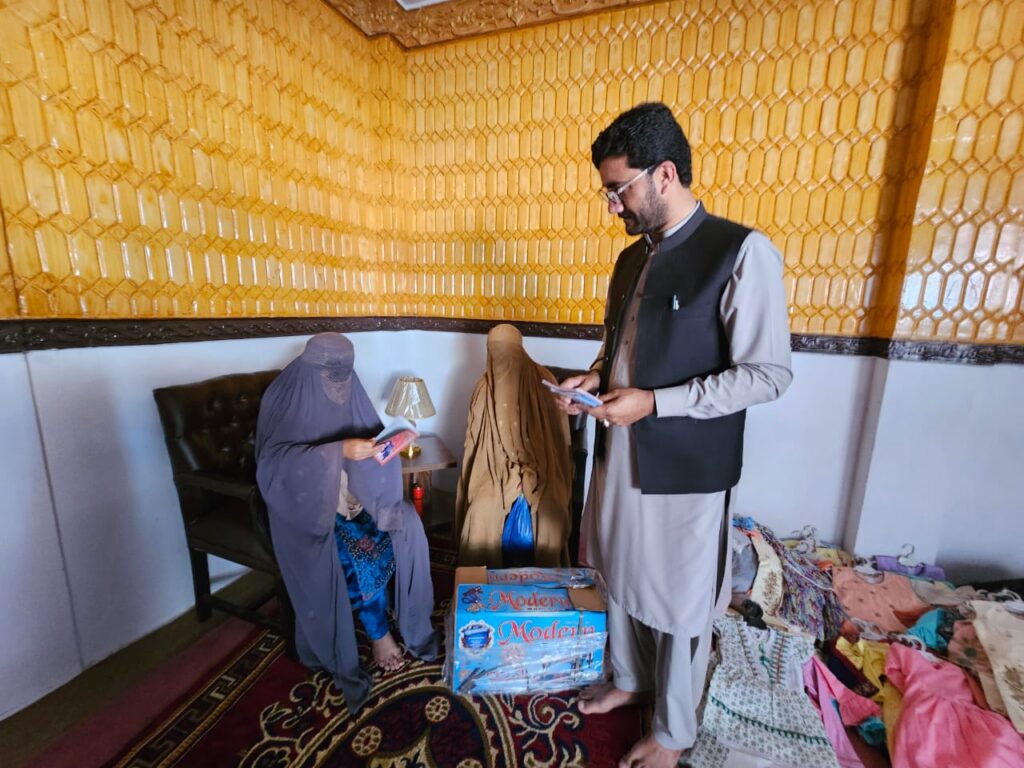
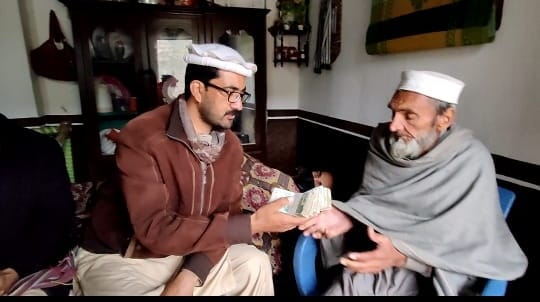
Empowering women has remained another important aspect of Zahid Jan’s mission. Around 30 widows have received sewing machines along with cash assistance of up to PKR 20,000, enabling them to support their families and continue their children’s education. As a result, many of these women have become financially independent instead of relying on others.
His contributions to education are equally noteworthy. He has fully financed the undergraduate (BS) education of three female students and paid the matriculation expenses of three orphan girls. At present, nearly 30 boys and girls are continuing their education with his financial support, reflecting his belief that education is one of the most effective tools for breaking the cycle of poverty.
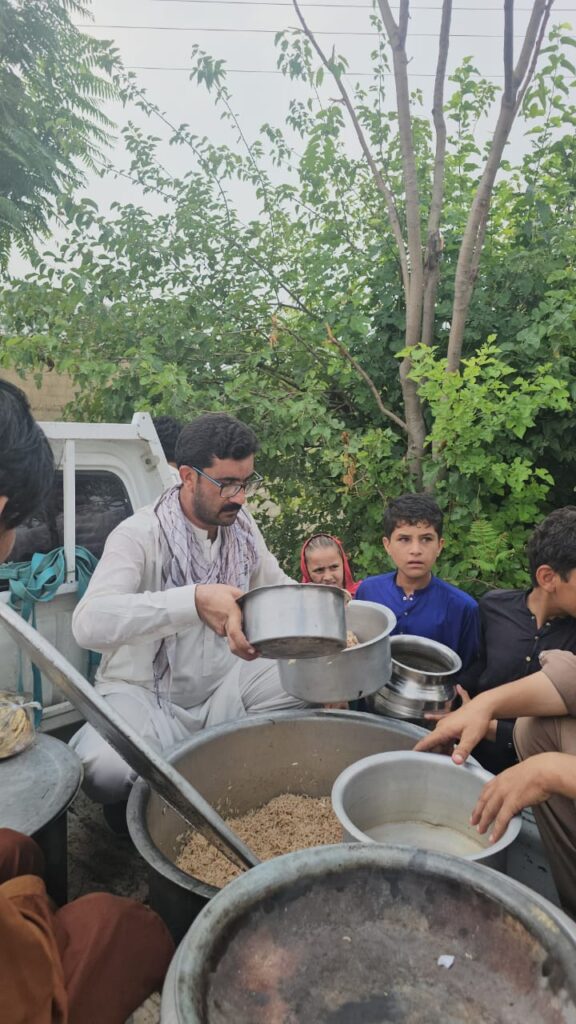
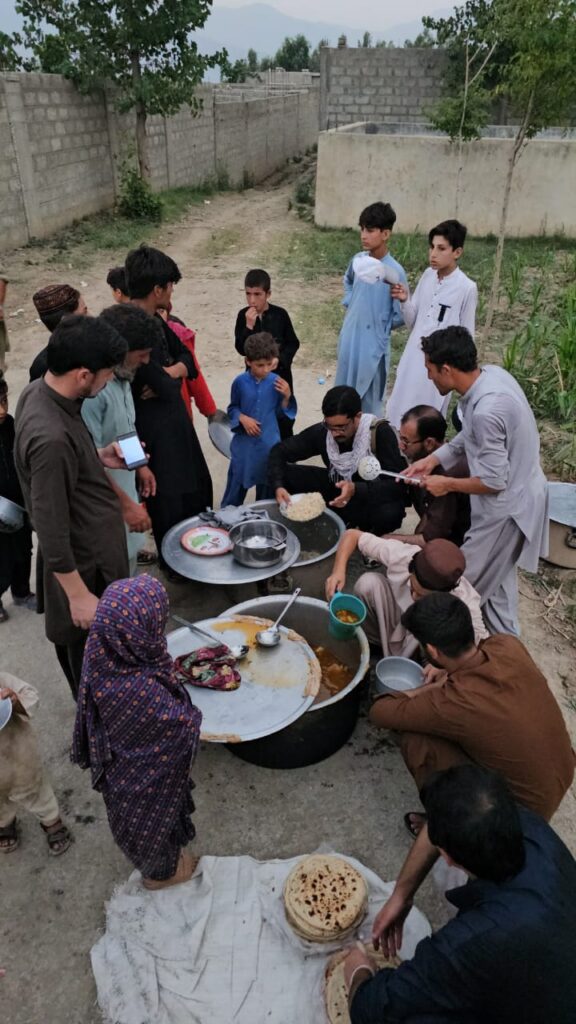
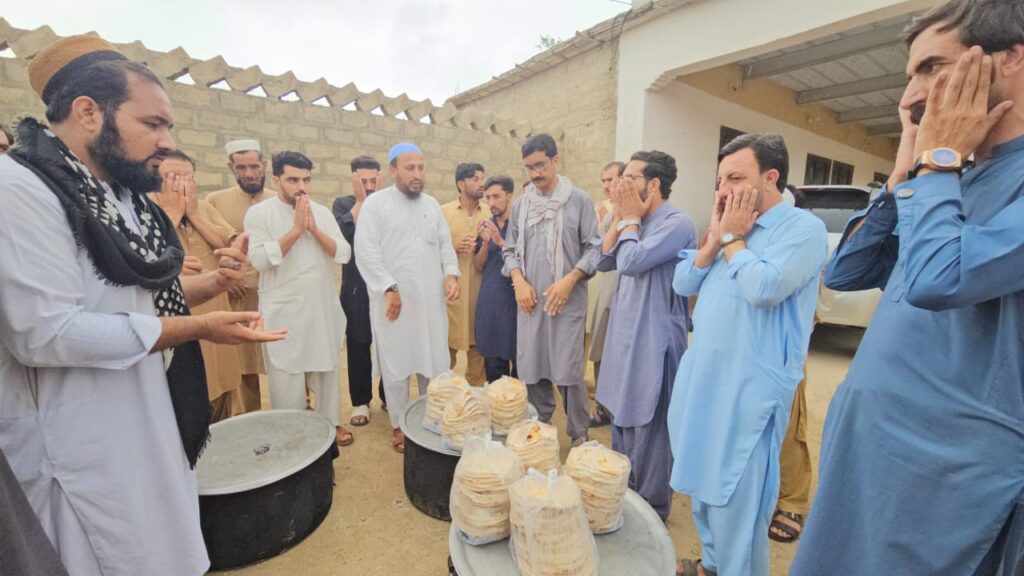
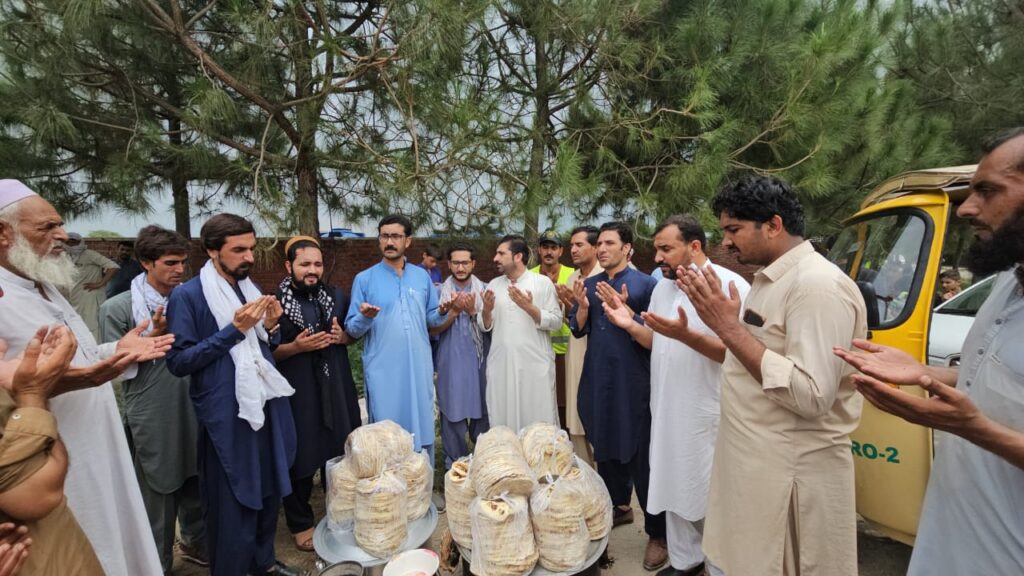
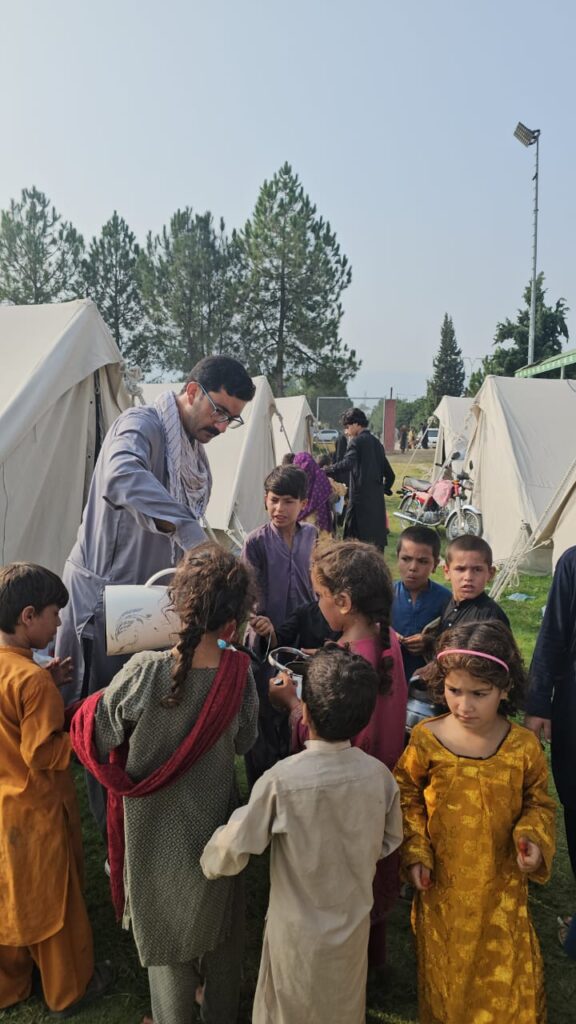
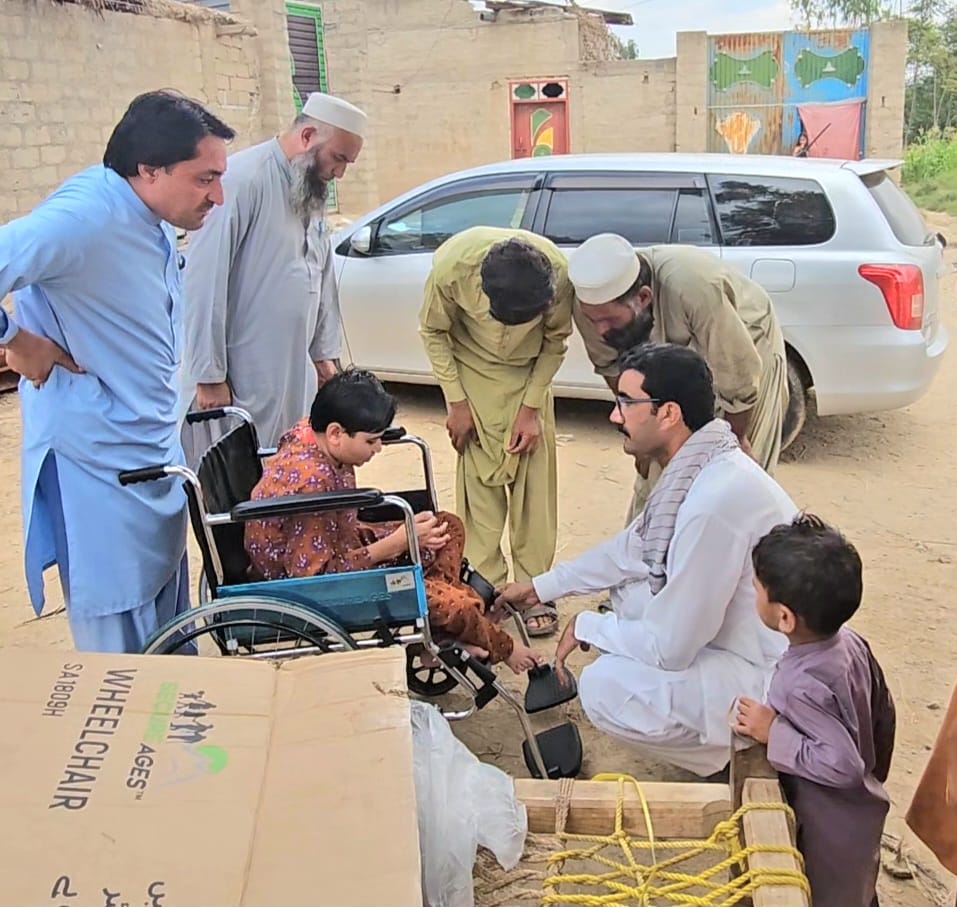
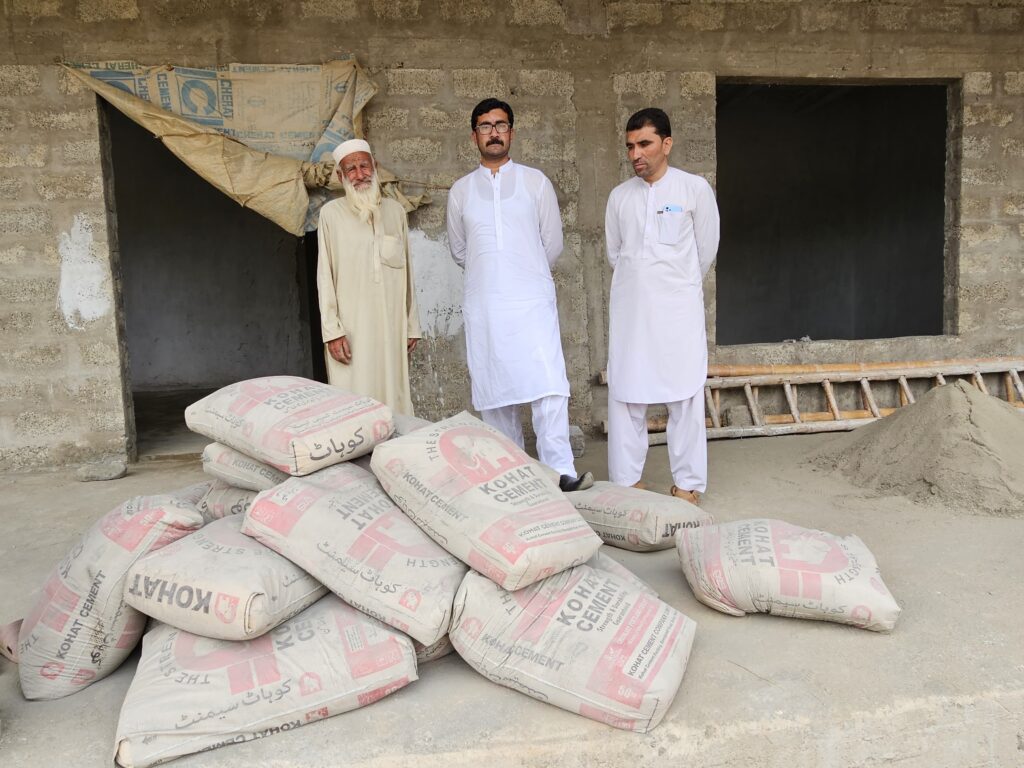
Zahid Jan’s welfare activities are not confined to education and healthcare. Every month, food supplies are delivered to 10 widow-headed families, while more than 20 persons with disabilities have been provided with wheelchairs. Among his notable community development projects is the construction of Baba Mosque in Tehsil Salarzai, a modern and well-built place of worship.
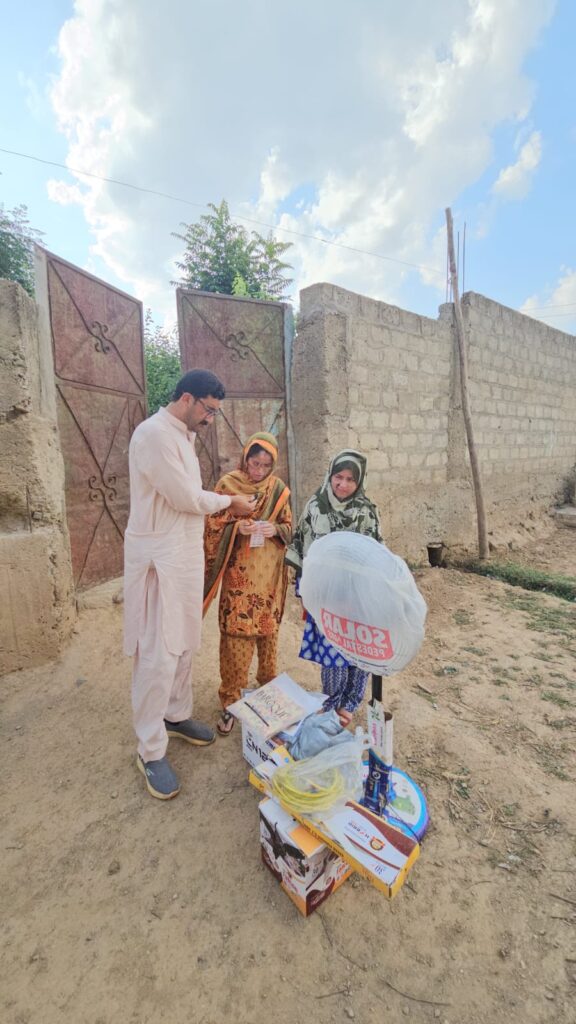
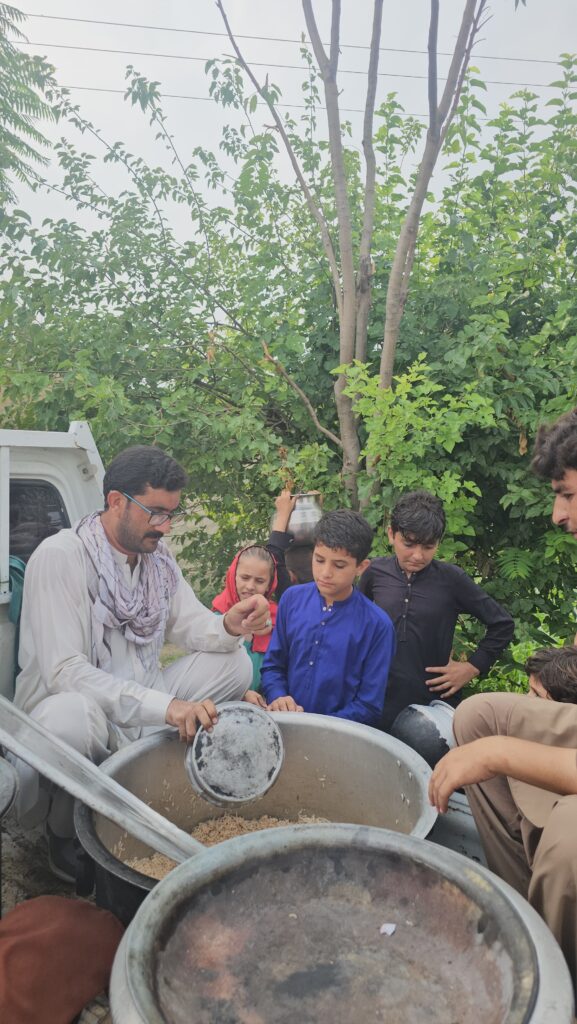
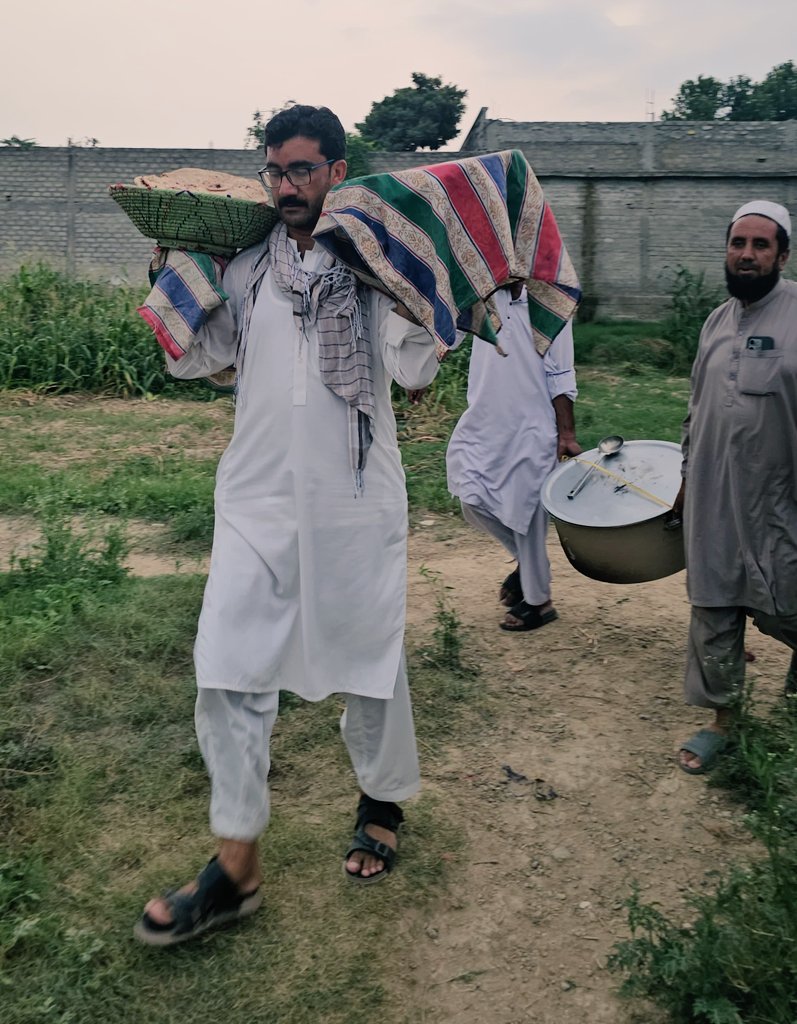
During natural disasters, including floods, earthquakes, and the displacement of internally displaced persons (IDPs), Zahid Jan has consistently remained at the forefront of relief efforts. He has regularly distributed cooked meals, essential food items, and emergency relief supplies to affected communities. Every Ramadan, hundreds of deserving families receive special Ramadan food packages, while on Eid, orphans, widows, and underprivileged households are provided with Eid gift packages so that no family is left behind during the festive season.
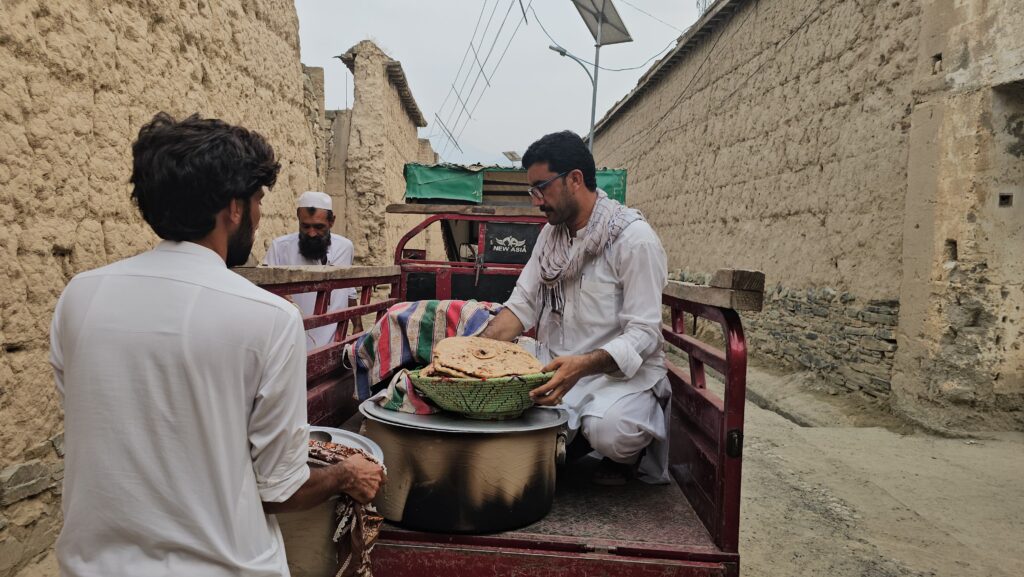
In a resource-constrained region like Bajaur, Zahid Jan’s humanitarian work demonstrates that sincere intentions and unwavering commitment can bring about meaningful social change even with limited resources. His life serves as compelling evidence that serving humanity is not only one of the noblest forms of worship but also an enduring investment that nurtures hope, trust, and social solidarity.
Through his tireless dedication, Zahid Jan continues to spread the message that true success is not measured by the accumulation of wealth but by bringing smiles to the faces of others and easing the hardships of those in need. It is this spirit of selfless service that has earned him a distinguished place among Bajaur’s leading social workers and made him an inspiring role model for future generations.
