
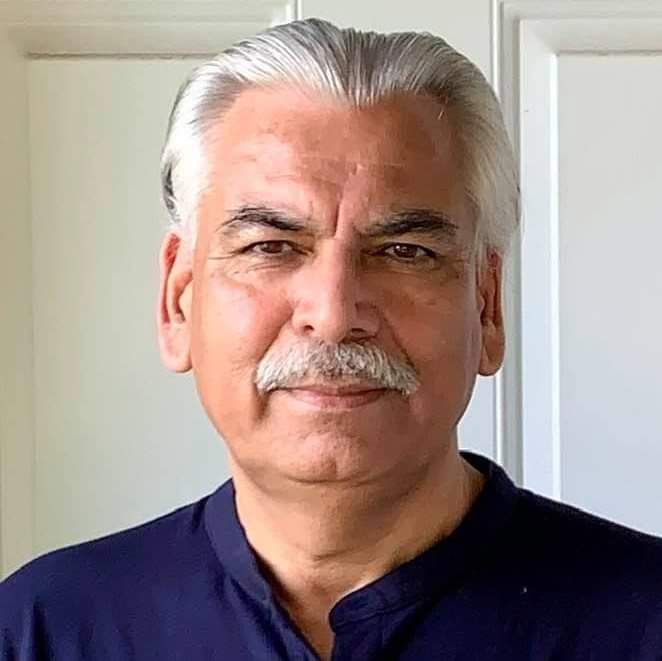
Barrister Usman Ali, Ph.D.
Pakistan is once again drawing the world’s attention to a reality that the international community has long chosen to ignore. In the aftermath of the recent suicide attack in Islamabad, the details disclosed yesterday by Interior Minister Mohsin Naqvi were not merely a routine security briefing; they amounted to a grave global warning. According to him, the attack was fully planned by ISIS-K operatives based in Afghanistan, its mastermind is now in Pakistani custody, and the Counter-Terrorism Department has dismantled the entire facilitation network linked to the incident. These revelations reinforce an uncomfortable truth: terrorism is no longer a problem confined to one country. It has evolved into a coordinated, cross-border threat sustained by external support and state complicity.
The interior minister further stated that at least twenty-one terrorist organizations are currently operating from Afghan territory. These groups pose a direct threat not only to Pakistan but to regional stability, trade, and human security as a whole. What makes this reality particularly disturbing is that these activities are not hidden in remote corners of the world; they are unfolding in plain sight. Yet the silence of major global powers continues to send a troubling message, that principled opposition to terrorism has increasingly been subordinated to geopolitical interests and political convenience.
The most alarming aspect of these disclosures concerns terrorist financing. According to the minister, ISIS and allied groups are being financially supported by India. Intelligence assessments indicate a sharp rise in payments to militants: individuals who were once paid five hundred dollars are now receiving up to fifteen hundred. Moreover, following recent regional and diplomatic setbacks, India is reported to have tripled its budget for terrorist activities. These are not rhetorical accusations or political talking points; they are claims backed by verifiable intelligence that demand serious scrutiny at international forums.
Another critical dimension of this threat is its digital footprint. Terrorist networks operating from Afghanistan are actively using social media platforms for recruitment, fundraising, coordination, and propaganda. Pakistan has formally warned these platforms to shut down accounts linked to terrorism, failing which the state will explore legal and technical measures to protect its national interests. This is not a debate about free speech; it is a test of global digital governance and corporate responsibility. In practice, these platforms often display glaring double standards—ordinary, harmless posts are swiftly flagged or accounts suspended, while content promoting extremism, violence, and terrorism is allowed to circulate with impunity.
There is no denying that Pakistan has paid one of the highest prices in the global fight against terrorism. Tens of thousands of civilians and security personnel have lost their lives, the economy has suffered losses amounting to trillions of dollars, and social stability has been deeply scarred. When terrorism emanating from Afghanistan threatened the world at large, Pakistan stood as a frontline state, played a decisive role in global coalitions, and bore a disproportionate share of the burden. Yet once the strategic objectives of major powers were achieved, Pakistan was left to face the consequences alone. Militants once labeled a global menace were suddenly rebranded as “Pakistan’s internal problem.”
As a result, Pakistan continues to suffer daily losses while the global conscience remains largely indifferent. This posture is not only morally indefensible but strategically reckless. Terrorism does not exist in isolation; it spreads, mutates, and eventually crosses borders.
The interior minister’s warning, that the world will only understand once it is itself hurt, is not an emotional outburst but a distilled lesson of history. Time and again, terrorism has been dismissed as a regional issue, only to erupt later as a global crisis. The same mistake is being repeated today. When alleged Indian involvement in targeted killings and terrorist activities surfaced in Canada and other countries, those states raised concerns, initiated investigations, and applied diplomatic pressure. Yet when Pakistan presents evidence of Indian support for terrorism on its soil, the international response is marked by silence, an unmistakable double standard.
If terrorism is truly a global challenge, then the response to it must be global, impartial, and rooted in principle. The United Nations, the FATF, and other relevant international bodies must undertake transparent and independent investigations into terrorist networks operating from Afghanistan, their funding channels, and the role of any state, including India, that is accused of using terrorism as a strategic tool. Social media companies, too, must move beyond statements and take meaningful action.
The world stands at a critical juncture. If eyes remain closed at this stage, the flames of terrorism will inevitably spread further, and by then it may indeed be too late. Pakistan has once again issued a timely warning. The choice now lies with the international community: to learn from history, or to repeat it through deliberate silence.
