
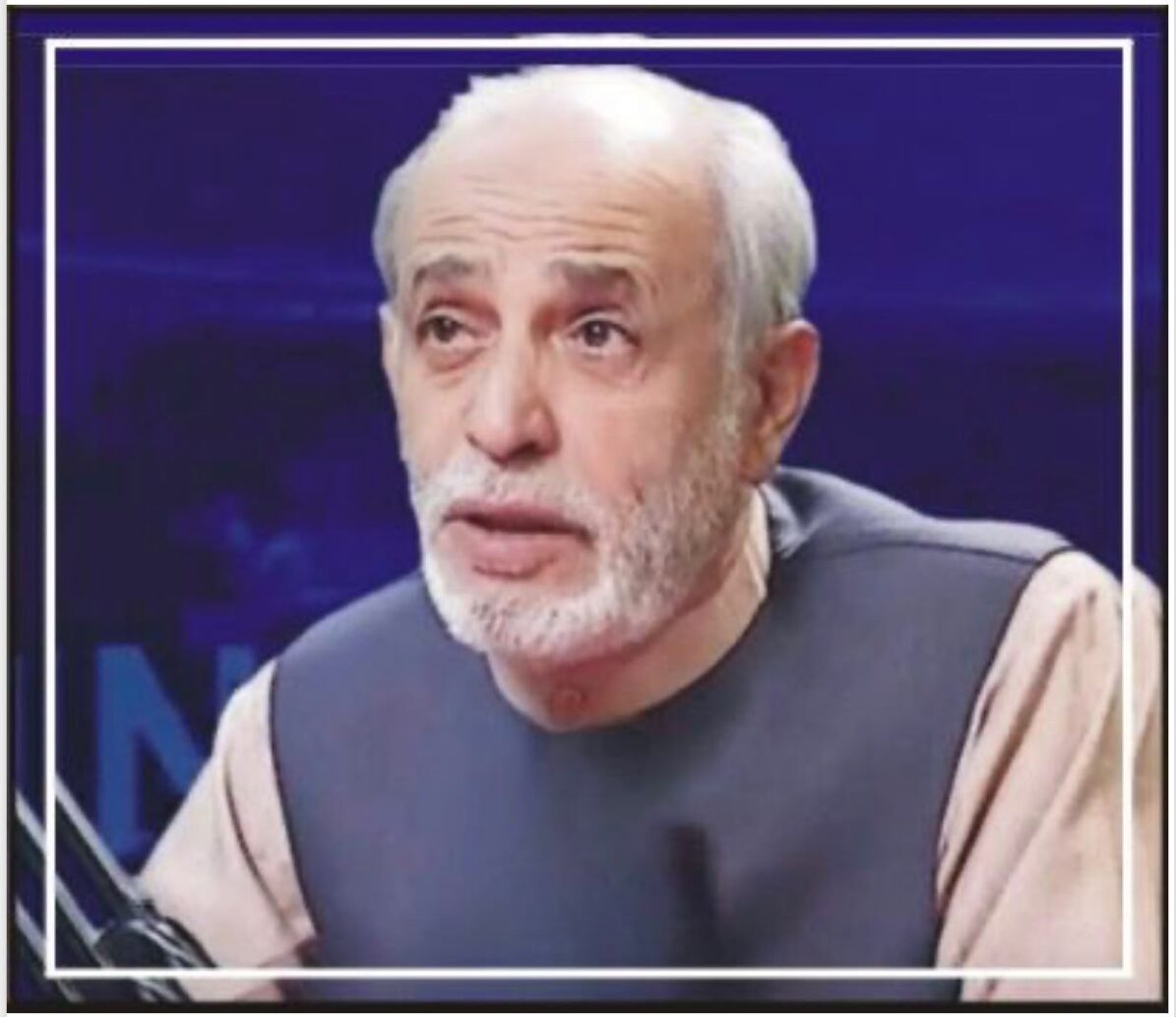
Shamim Shahid
Before coming to power, during the negotiations in Qatar, Afghanistan’s current rulers presented an image to the Afghan people and the international community suggesting that they had learned from their past experiences, changed their thinking and approach, and wanted to govern on the basis of justice, tolerance, responsibility, and the rights of all Afghans. However, the practical experience of nearly the past five years should now be judged not by words and slogans, but by actions and results.
The first foundation of the stability and survival of any system is justice. No government can sustain itself through force, decrees, and fear alone. Where people have to wander from one court or institution to another to obtain their rights, where access to fair and impartial justice is difficult, and where the cries of the oppressed are not heard in time, public trust gradually declines. Justice has meaning only when the law is applied equally to the powerful and the weak, officials and ordinary citizens alike. Addressing people’s grievances seriously and reforming the judicial system should be among the top priorities of any governing authority.
After justice, one of Afghanistan’s most serious challenges is the issue of girls’ education and modern learning. Education is the right of every Afghan boy and girl and is the foundation of a country’s future. At a time when the world is advancing rapidly in medicine, engineering, economics, science, artificial intelligence, and new technologies, restricting the education of millions of Afghan girls means wasting the potential of half of the country’s human resources. Afghanistan cannot be rebuilt through ignorance; it can be rebuilt through knowledge, expertise, education, and a well-trained generation.
Closely linked to this is another major concern: the loss of Afghanistan’s intellectual and professional capital. Doctors, engineers, teachers, specialists, professional civil servants, educated young people, and women are Afghanistan’s real human capital. If these people are left unemployed, threatened, humiliated, or forced to leave the country, the loss will not be limited to one family or one group; the entire country will lose the capabilities it has spent decades developing. A responsible system should retain professionals, respect merit, and make use of the knowledge and experience of every Afghan for the development of the country.
Similarly, the culture of accusations, humiliation, character assassination, and flattery is harmful to both society and government. In every healthy society, disagreement, criticism, and differences of opinion are natural. But lies, baseless allegations, insults, and attacks on people’s dignity are neither healthy politics nor consistent with Islamic and Afghan values. In particular, the ruling authority should prevent those who seek to get closer to power by defaming, humiliating, and assassinating the character of others. Flatterers may tell rulers what they like to hear, but in reality they distance them from the truth and widen the gap between the people and the government.
An important lesson from Afghanistan’s history is that the greatest threat to a system is not always an armed opponent. Sometimes injustice, misplaced arrogance, ignoring people’s grievances, intolerance of criticism, sidelining capable people, encouraging flatterers, and playing with the dignity of the people can weaken a system from within to such an extent that no opponent could weaken it by force. Nor should people’s silence be interpreted as consent. People observe, judge, and history records everything.
The Afghan people, too, should make actions and results the standard of judgment rather than personalities, emotional slogans, and propaganda. The fundamental questions should be: How much justice has been ensured? How well is people’s dignity protected? Why are girls deprived of education? Why are professionals and educated young people leaving the country? Can people easily obtain their legal rights or not? And is Afghanistan moving closer to the world in knowledge, economic development, and progress—or moving further away from it?
These remarks are not a call for war, revenge, or for Afghans to turn against one another. They are a call for reform, justice, education, national reconciliation, and the protection of the country’s future. Afghanistan does not need another war; it needs justice, the rule of law, knowledge, national thinking, tolerance, consultation, and the restoration of public trust.
There is still an opportunity for reform. Instead of force, monopolization of power, and misplaced arrogance, the path of reason, justice, knowledge, tolerance, and national consensus should be chosen. The legitimate demands of the people must be heard, the doors of education must be reopened to girls, the country’s professional and academic cadres must be utilized, people’s dignity must be protected, and the law must be applied equally to everyone.
Afghanistan is not the personal property of any one group; Afghanistan is the common home of all Afghans. The future of this home must not be sacrificed for the interests of one ideology, one group, or short-term political ambitions.
Power is never permanent; but the judgment of the people, the memory of the nation, and the accountability of history remain.
