
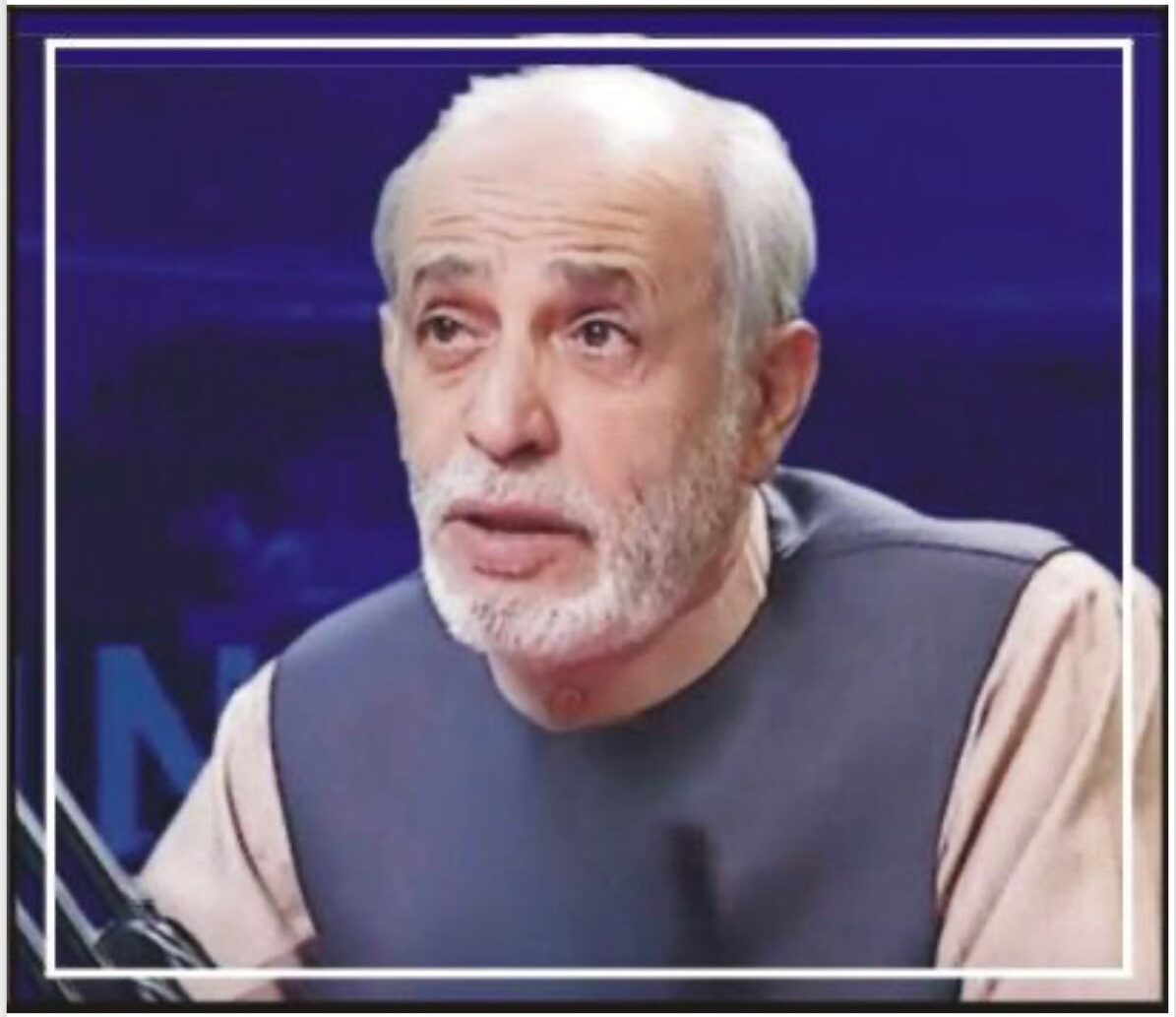
Shamim Shahid
Amid renewed hostilities with neighbouring Pakistan, Afghanistan is once again being portrayed through United Nations and United States assessments as a major centre of extremism and militancy. Both reports have emerged on the eve of the fifth anniversary of the Taliban’s return to power in war-ravaged Afghanistan, where millions of people remain refugees or internally displaced.
According to a recent report, the U.S. State Department has accused the Taliban of failing to play a constructive role in regional peace and stability and has highlighted concerns over terrorism, arbitrary detentions and restrictions on fundamental rights. Responding to a request by Taliban Foreign Minister Amir Khan Muttaqi for the reopening of the U.S. Embassy in Kabul and greater American investment, Washington reiterated that it does not recognise the Taliban as the government of Afghanistan and would engage with the group only when doing so serves U.S. interests.
The State Department further criticised the Taliban for failing to meet their commitments under the Doha Agreement, particularly those concerning counterterrorism. It also condemned the restrictions imposed on women and girls, describing the situation created by the Taliban’s policies as among the most repressive in the world.
Earlier, members of the UN Security Council had expressed concern over the presence and activities of terrorist organisations in Taliban-controlled Afghanistan, particularly Tehreek-e-Taliban Pakistan (TTP), Islamic State Khorasan (IS-K) and Al-Qaeda. The Taliban, however, continue to reject such allegations, maintaining that no militant group is permitted to use Afghan territory against another country.
Colin Smith, an official associated with the UN Security Council sanctions-monitoring mechanism, has nevertheless identified the growing number of TTP attacks against Pakistan as one of the region’s major security concerns. He reportedly said that the Taliban have provided support or tolerance to certain militant organisations and that TTP members receive financial assistance. According to the UN assessment, relations between the Taliban and some extremist groups remain significant.
Smith also described IS-K as one of the most active and concerning terrorist organisations operating in Afghanistan and the wider region, estimating its strength at around 2,000 fighters. Although the frequency of its attacks has reportedly declined, the group remains capable of conducting propaganda, fundraising and other activities. Its financial networks allegedly include cryptocurrency transactions, extortion, kidnapping and investments routed through apparently legitimate individuals and organisations.
Al-Qaeda, meanwhile, continues to maintain a presence in Afghanistan despite its relatively limited numbers. According to the UN assessment, the group provides some support to the TTP, while links between Al-Qaeda and elements within the Taliban reportedly remain intact. Family relationships, marriages and mutual assistance have been cited as indications of continuing ties between the groups. Concerns have also been raised over alleged Afghan documentation being provided to members of militant organisations.
The UN official emphasised that sanctions are not necessarily permanent and are intended, in many cases, to encourage behavioural change. Renouncing violence, breaking links with terrorist organisations and respecting the fundamental rights of citizens including women and minoritiescould create conditions for sanctions to be lifted.
The Taliban leadership, or Islamic Emirate of Afghanistan, continues to contradict these allegations and insists that Afghan soil will not be allowed to be used against any other country. Nevertheless, the claims contained in the U.S. and UN assessments are a matter of serious concern for regional states, particularly Pakistan.
Whatever reservations one may have about Pakistan’s policies and hostilities towards Afghanistan, the continued presence and alleged protection of militant groups cannot be ignored. The people of Afghanistan—particularly the Pashtun population—have themselves endured decades of conflict and have strong reasons to fear the consequences of turning Afghan territory into a sanctuary for armed groups.
The Taliban regime therefore needs to seriously reconsider policies that may allow militants from different parts of the region and beyond to find shelter, financial support or political protection in Afghanistan. Afghanistan’s future stability depends not on providing extraordinary hospitality to armed groups, but on preventing its soil from becoming a launching pad for violence against its neighbours.
For Pakistan and other regional countries, the issue is no longer merely an Afghan internal matter. If the allegations contained in the UN and U.S. assessments are substantiated, the continued presence and expansion of militant networks could pose a wider threat to regional peace, stability and the survival of communities that have already suffered enormously from decades of war.
