
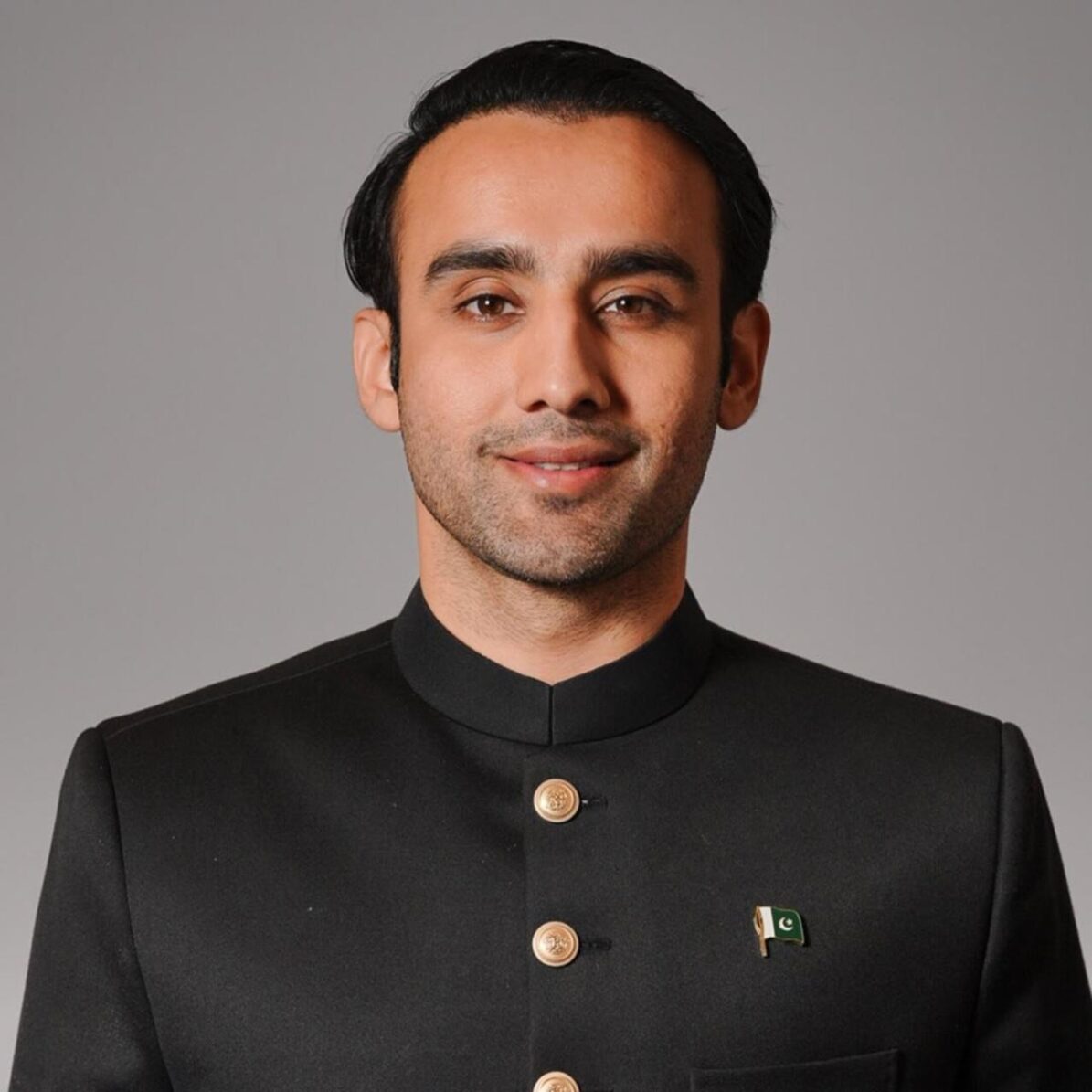
By Bilal Bin Saqib MBE
21 October 2026
27% to 9%.
That is the share of Anthropic’s technical hires who were junior, in early 2025 and then in mid-2026. Anthropic published that number about itself last week. Most companies never would.
The company is growing. It is still hiring engineers. It is simply hiring far fewer people at the start of their careers. By August, the AI agents its staff direct were working six hours for every one human hour. Code commits per engineer were five times higher than six months earlier.
I read the report twice. Once through the eyes of a builder, and once as someone working in public policy, trying to understand what these developments could mean for a young country like Pakistan.
Two out of every three Pakistanis are under 30. Our largest services export is IT: a record $4.6 billion in FY26, nearly half of all the services we sell to the world. Much of that rests on young people doing exactly the work the report describes. Writing code. Testing. Fixing bugs. Support. Documentation.
That is the first rung of the ladder. It is where people learn the job. And it is the rung AI is removing first.
I am not writing this from the outside.
We built PVARA in under six months, using less than 8% of the budget we were given, with no permanent headcount. AI did much of the work a new institution would normally hire a floor of junior analysts to do. Drafting. Comparing frameworks across jurisdictions. Reviewing. Summarising.
It worked. More than 90% of the money went back to the exchequer. I would do it the same way again.
But the efficiency is real, and so is the question it raises. If every new institution and every new company is built this way, where does the next generation learn the job?
Anthropic is honest about this too. Its report says protections for existing staff “will not benefit those not hired to begin with”, and that private action “must come alongside farsighted government policy”.
That is us. That is our job.
Putting AI into classrooms is the easier part. The harder part is what our graduates walk into.
Look at what Anthropic’s hiring managers now screen for. Less narrow technical expertise. More autonomy and judgement. The share of technical interview scorecards that mention a candidate’s use of AI tools has tripled since 2024.
The entry ticket used to be “I can write the code.”
Now it is “I can direct ten agents writing the code, and I can tell when they are wrong.”
Most of our education system still tests the first.
My own sector will go the same way. Onboarding checks, transaction monitoring, compliance reporting. The work a new hire at an exchange or a bank used to learn on is exactly the work AI does well. Pakistan’s digital asset industry is being built now. It should be built for this reality from day one, with real roles for young Pakistanis in risk, audit and the supervision of these systems.
Here is what I think we should be doing.
● Make building with AI part of every computer science and business degree. Not one more lecture. A portfolio of shipped work.
● Turn freelancers into founders. A Pakistani who once sold hours abroad can now sell a product. One person, a laptop and a team of agents is a real company in 2026.
● Create apprenticeships wherever AI is already doing the entry-level work. If an organisation does more with fewer people, some of that saving should go into young people who learn to supervise the machines.
● Measure it. Anthropic is building an early warning system to track roles at risk inside the company. Pakistan needs a national version, so we can see which entry-level jobs are thinning before the unemployment numbers tell us.
I have been in digital assets since 2016. For years, people called it a scam. I have no doubt AI is bigger, and it is moving much faster. Digital assets took close to a decade to reach the mainstream. At the frontier, AI changed who gets hired in about eighteen months.
We cannot wait for this data to show up in Pakistan before we act on it. By then, a whole cohort of graduates will have found the first rung missing.
A country this young cannot watch this from the side.
We have to rebuild the ladder ourselves. 🇵🇰
About the author: Bilal bin Saqib, MBE, is Pakistan’s Minister of State and Chairman of the Pakistan Virtual Assets Regulatory Authority (PVARA). His work focuses on emerging technologies, digital assets and building regulatory institutions for the next generation of the digital economy.
