
President Xi Jinping Calls for Greater International Cooperation as China Extends a Warm Welcome to US President Donald Trump
Global trade, artificial intelligence and economic development take centre stage — Can the historic Shenzhen gathering reshape the world’s economic and diplomatic landscape?
An Analysis by Amjad Aziz Malik
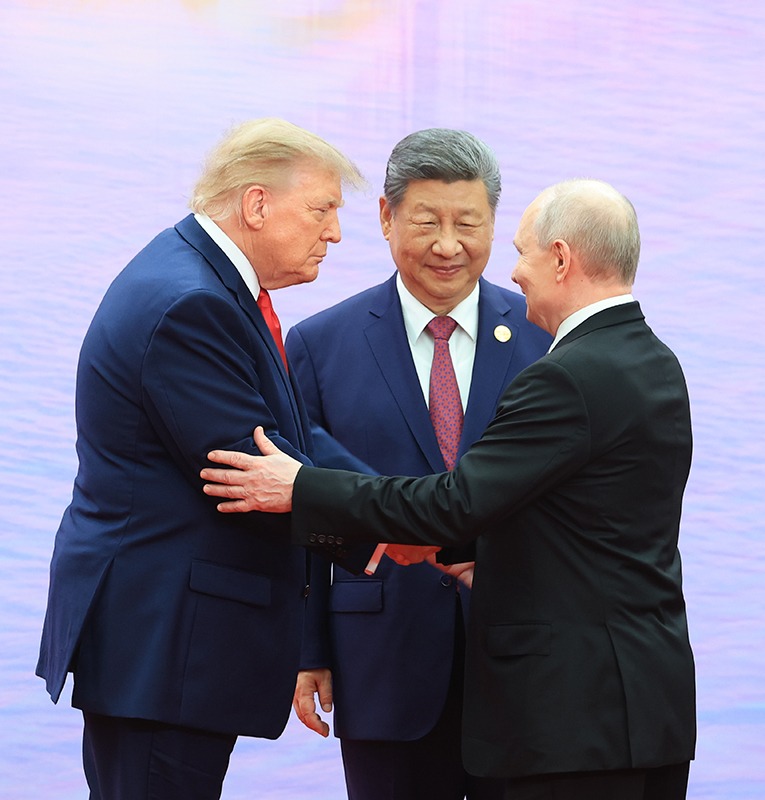
The 2026 Asia-Pacific Economic Cooperation (APEC) Summit, held in Shenzhen, one of China’s most technologically advanced cities in the southern province of Guangdong, has attracted worldwide attention at a time when the international community is facing growing political tensions, trade disputes, economic uncertainty and intensifying competition among major powers. Against this challenging global backdrop, Chinese President Xi Jinping’s message of peace, stability, free trade, mutual respect and shared prosperity represents far more than a diplomatic statement. It reflects China’s broader vision for the future of the international economic order and its determination to promote cooperation rather than confrontation. One of the most significant features of this historic gathering was the participation of US President Donald Trump and the warm welcome extended to him by the Chinese leadership. The presence of the leaders of the world’s two largest economies in Shenzhen was itself an important diplomatic development.
Despite continuing disagreements between China and the United States over trade tariffs, advanced technology, semiconductors, international markets and regional security, the participation of both leaders on a common international platform demonstrated the importance of dialogue in addressing global challenges. The reception hosted by President Xi Jinping and the gestures of diplomatic goodwill extended towards the American president attracted considerable international media attention. The presence of Russian President Vladimir Putin further enhanced the geopolitical significance of the gathering. The Asia-Pacific Economic Cooperation (APEC) forum was established in 1989 to promote free trade, investment, economic integration and sustainable development among the economies of the Asia-Pacific region. APEC comprises 21 member economies, including China, the United States, Russia, Japan, South Korea, Australia, Canada, Indonesia, Malaysia, Thailand, Singapore and Vietnam, among others.
The APEC CEO Summit took place in Shenzhen on November 17 and 18, with approximately 1,000 political and business representatives expected to participate. It was followed by the 33rd APEC Economic Leaders’ Meeting on November 18 and 19. China hosted APEC for the third time, following its previous meetings in 2001 and 2014. The central theme of this year’s summit was the creation of an Asia-Pacific community committed to common development and shared prosperity.
Addressing the summit, President Xi Jinping emphasised that peace, stability and economic prosperity are inseparable. His central message was that sustainable economic development cannot flourish without a secure and stable environment. President Xi called for the preservation of the international order established after the Second World War, the strengthening of multilateral cooperation and the peaceful resolution of disputes through dialogue and consultation. He stressed that as global challenges become increasingly complex, countries must place greater emphasis on cooperation instead of confrontation. The Chinese president outlined four major priorities for achieving shared prosperity in the Asia-Pacific region. The first priority was maintaining peace and stability to create an environment conducive to trade, investment and economic activity. The second was strengthening free trade and economic cooperation by reducing trade barriers and ensuring the stability and resilience of global supply chains. The third priority focused on harnessing advanced technology, artificial intelligence, the digital economy and environmentally sustainable development as engines of economic progress. The fourth was ensuring that the benefits of economic development reach all economies and sections of society, rather than remaining concentrated among a handful of powerful nations or multinational corporations. These priorities demonstrate that China seeks to present itself not merely as a major industrial and exporting power but also as an important driving force behind international economic cooperation.
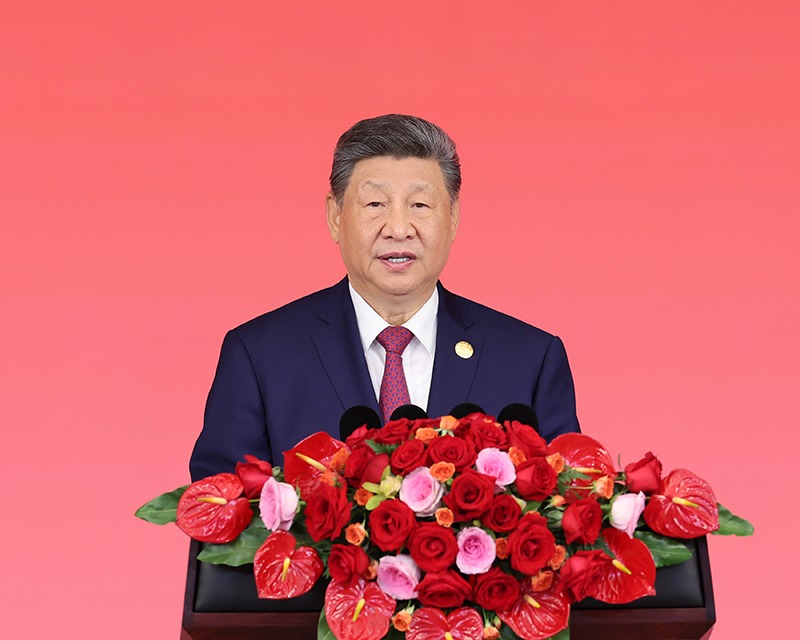
One of the most memorable aspects of the Shenzhen summit was the exceptional welcome extended by President Xi Jinping to US President Donald Trump. President Xi personally received his American counterpart at Shenzhen Bao’an International Airport, a gesture that attracted considerable international attention because it is relatively unusual for the Chinese president to personally welcome a visiting foreign leader at the airport. The reception was also viewed as a reciprocal gesture of goodwill following President Trump’s personal welcome to President Xi during his visit to the United States in September 2026. Later, at the official reception banquet, President Trump was given a prominent seat close to the Chinese president, further highlighting the importance Beijing attaches to maintaining high-level diplomatic engagement with Washington despite their differences.
The presence of Russian President Vladimir Putin added another dimension to the gathering. The meeting of the leaders of three major global powers placed Shenzhen at the centre of international diplomacy. The war in Ukraine, developments involving Iran and the wider Middle East, nuclear arms control, artificial intelligence and international trade tensions formed part of the broader geopolitical backdrop against which these diplomatic engagements took place. Improved relations between China and the United States would benefit not only the two countries but also the wider international community. Tensions between these economic giants can influence global financial markets, energy prices, investment flows and the international transfer of technology. Conversely, meaningful progress in resolving their differences through negotiations could contribute significantly to global economic stability.
China’s decision to select Shenzhen as the venue for this historic summit was particularly meaningful. Only a few decades ago, Shenzhen was a relatively small border town. However, China’s policies of economic reform and opening up transformed it into one of the world’s most advanced industrial, commercial and technological centres. Today, Shenzhen is home to major industries specialising in electric vehicles, telecommunications, artificial intelligence, robotics, advanced electronics and digital technology. The presence of internationally recognised companies such as Huawei, Tencent and BYD illustrates the city’s growing importance in the global technology landscape. President Xi Jinping also referred to Shenzhen’s remarkable transformation as an example of the success of China’s economic reforms.
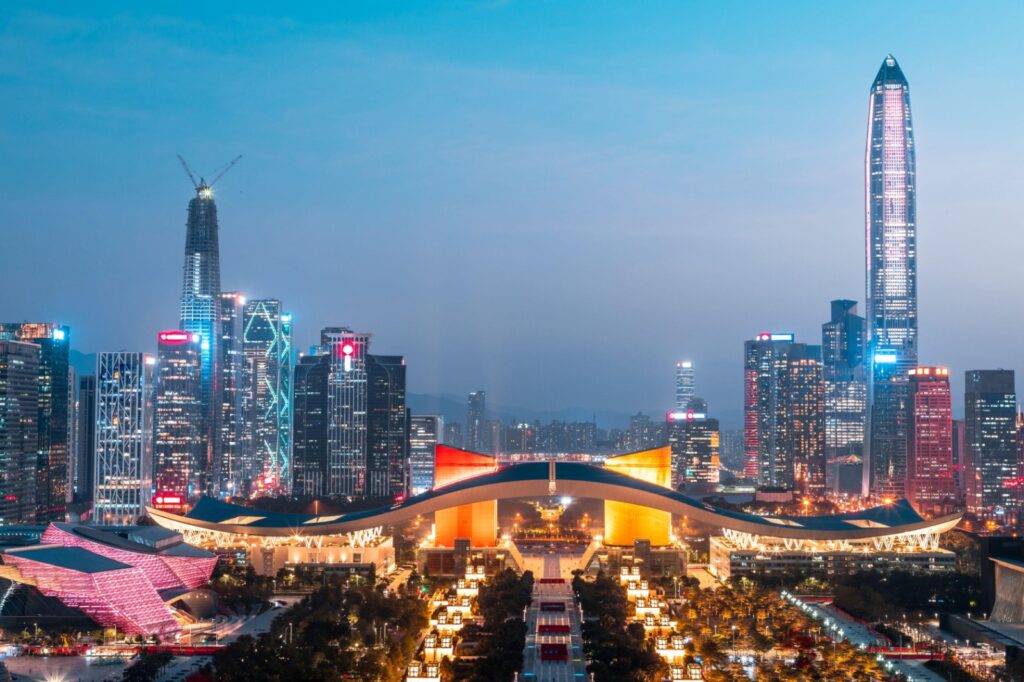
Indeed, Shenzhen’s development demonstrates how consistent planning, modern education, industrial investment and technological innovation can transform the economic future of an entire region. Shenzhen is also a major component of the Guangdong-Hong Kong-Macao Greater Bay Area, one of China’s most ambitious regional economic development initiatives. President Xi expressed support for establishing a new international organisation to promote cooperation among major coastal economic centres around the world. Such an initiative could eventually strengthen connections between ports, industrial hubs and international trading networks, creating fresh opportunities for economic integration. The participation of representatives from major international corporations alongside political leaders was one of the defining features of the APEC CEO Summit. Representatives of leading companies, including BYD, Baidu, Boeing and Google, attended the Shenzhen gathering, reflecting the importance that the global business community attaches to China and the wider Asia-Pacific region as major centres of future economic growth. President Xi Jinping made it clear that China intends to further open its vast consumer market to international businesses. He highlighted plans to increase imports, improve the investment environment, expand opportunities in the services sector and encourage the development of advanced industries. According to the Chinese president, China’s economy recorded growth of 4.6 percent during the first nine months of 2026. He also described China’s 15th Five-Year Plan as a source of new opportunities, not only for domestic economic development but also for international investors and businesses seeking long-term partnerships with China. These developments raise an important question: Will China’s commitment to further economic openness translate into greater confidence among international investors? The answer will largely depend on the practical implementation of these policies, the protection of investments, transparency in trade regulations and the availability of fair opportunities for foreign enterprises.
In my assessment, it would be a mistake to evaluate the significance of the Shenzhen summit solely in terms of relations between China and the United States. Its potential implications extend far beyond bilateral diplomacy. First, the summit could influence the future direction of international diplomacy. If high-level engagement among China, the United States and Russia produces meaningful steps towards reducing tensions, it could strengthen prospects for international peace and stability. However, it is equally important that negotiations among major powers respect the sovereignty, legitimate interests and rights of smaller countries, as well as established principles of international law. Second, the summit could have important consequences for global trade and investment. Trade disputes and tariff-related tensions between China and the United States have created uncertainty in international business markets. If diplomatic engagement in Shenzhen contributes to reducing these tensions, the positive effects could extend beyond Asia to Europe, Africa and other regions. Greater predictability in trade relations would encourage investment, strengthen business confidence and support the stability of international supply chains. Third, the summit could shape the future of global technological competition. Artificial intelligence, advanced semiconductors, robotics and the digital economy have become increasingly important elements of economic and strategic power. Competition between China and the United States in these fields is likely to continue. Nevertheless, there is also a growing need for internationally accepted principles governing the safe and responsible use of emerging technologies. Cooperation in technological standards, scientific research and digital connectivity could help ensure that technological progress benefits humanity as a whole. Fourth, the summit could create new economic opportunities for developing countries. If trade barriers across the Asia-Pacific region are reduced and industrial and technological cooperation expands, smaller and developing economies could gain improved access to international markets. However, it is essential that the benefits of economic cooperation are distributed fairly and do not remain confined to powerful economies and multinational corporations.Developing nations must be given meaningful opportunities to participate in global value chains, acquire modern technologies and develop skilled workforces. Fifth, the summit could influence the future structure of the international economic order.
President Xi Jinping’s emphasis on multilateral cooperation, the role of the World Trade Organization and the importance of free trade reflects China’s ambition to play a more active role in shaping global economic governance. The United States, meanwhile, continues to pursue its own economic, commercial and national security priorities. Finding a workable balance between these different approaches will remain one of the defining challenges of international economic diplomacy in the years ahead. International observers will therefore be watching closely to see whether the Shenzhen meetings produce practical progress on trade, security and political issues or remain largely symbolic expressions of diplomatic goodwill.
Although Pakistan is not a member of APEC, the potential outcomes of the Shenzhen summit are particularly relevant to the country because of its longstanding friendship and close economic partnership with China. The China-Pakistan Economic Corridor (CPEC) already represents one of the most important pillars of bilateral economic cooperation. The discussions in Shenzhen concerning industrial development, advanced technology, regional connectivity and investment offer valuable lessons for Pakistan’s future economic planning. Pakistan should take particular interest in expanding industrial cooperation, facilitating technology transfer, improving technical education, developing renewable energy resources, modernising agriculture and increasing exports. These priorities are especially relevant to Khyber Pakhtunkhwa, a province with considerable potential in mineral resources, hydropower generation, tourism, agriculture and its young workforce. If these resources are effectively linked with modern technology, industrial planning and international investment, the province could achieve significant improvements in economic growth and employment opportunities. China’s remarkable development also offers an important lesson: economic progress cannot be achieved through the availability of natural resources alone. Sustainable development requires a skilled workforce, industrial discipline, modern education, scientific research, technological innovation and, above all, continuity in economic policies. For Pakistan, the real challenge is not simply to admire China’s economic achievements but to learn from the policies, institutions and long-term planning that made those achievements possible.
In my view, the most important achievement of the APEC Summit 2026 in Shenzhen is that it has once again reminded the international community of the importance of dialogue, economic cooperation and peaceful engagement at a time when the world is increasingly divided by geopolitical rivalries. President Xi Jinping’s warm welcome to President Donald Trump, the participation of leading international business figures and the proposals for shared prosperity across the Asia-Pacific region have placed Shenzhen firmly at the centre of global diplomatic and economic discussions. There should be no illusion that the differences between China and the United States can disappear through a single summit. Nevertheless, the first step towards successful diplomacy is to keep the doors of communication open, even when serious disagreements persist. The summit has also provided China with an opportunity to demonstrate its extraordinary industrial and technological transformation. Shenzhen stands as a remarkable example of how visionary leadership, consistent economic planning, modern education and international engagement can turn a relatively small city into a globally recognised centre of innovation and economic growth. For Pakistan and other developing nations, the message is equally significant: future economic success will increasingly depend on knowledge, technology, regional connectivity, industrial modernisation and constructive international partnerships. Above all, the central message emerging from Shenzhen is that lasting prosperity cannot be achieved without peace, and neither peace nor sustainable development can be secured without meaningful international cooperation. If world leaders succeed in translating this message into practical policies and concrete agreements, the Shenzhen gathering may well be remembered as an important milestone in the evolution of global economic cooperation and international diplomacy.
