
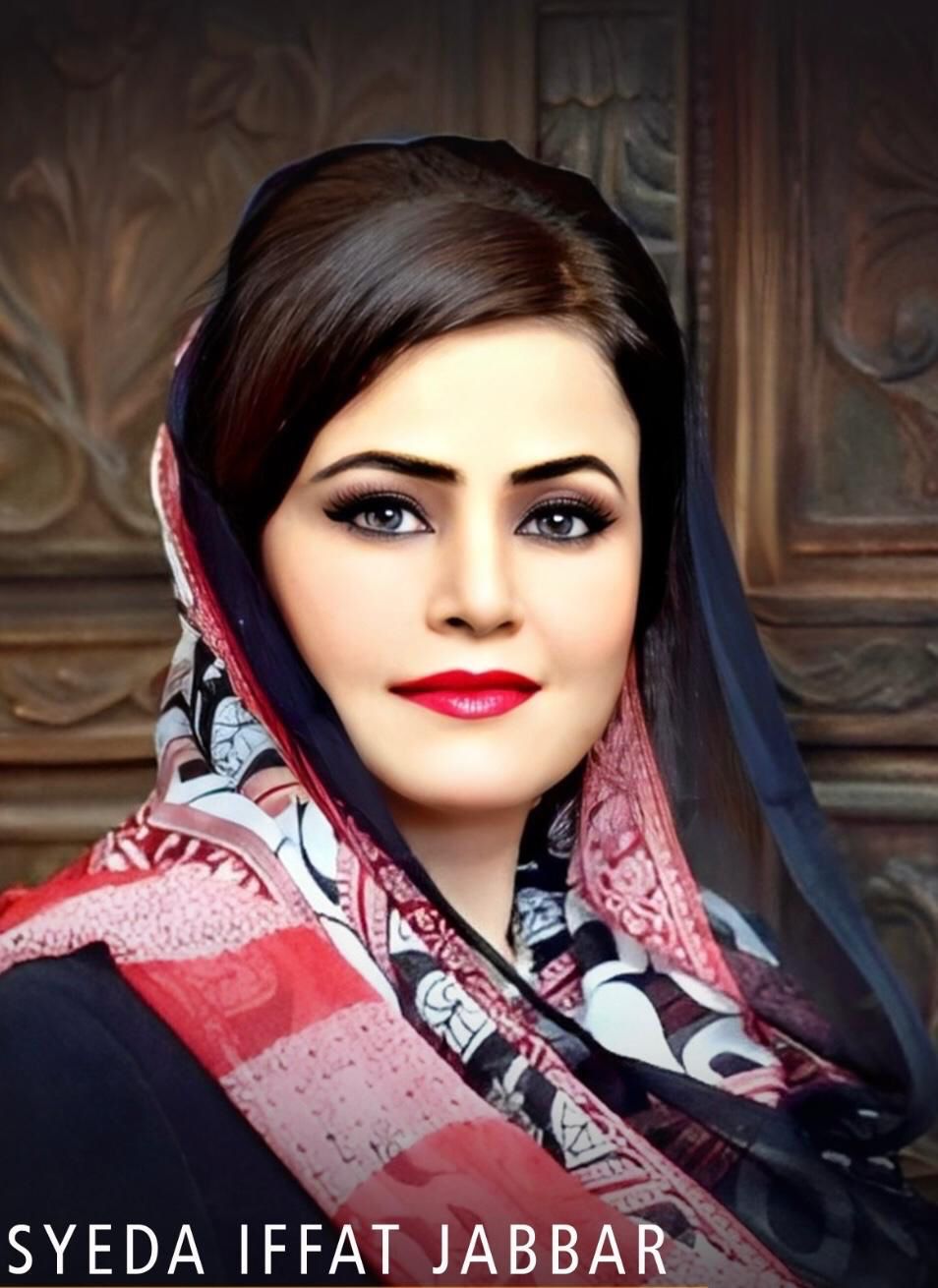
By Syeda Iffat Jabbar
New York, USA
Every year on April 2, the world observes World Autism Awareness Day. Since its recognition by the United Nations in 2008, this day has served as a reminder of a promise: to raise awareness about autism, to listen to those whose voices may not always find words, yet whose hearts speak volumes.
Autism, or Autism Spectrum Disorder (ASD), is not an illness; it is a spectrum of light where each individual shines in their own unique colors. It shapes communication, social interaction, and behavior in distinctive ways. Children and adults with autism perceive the world differently, where silence carries meaning, and emotions are expressed through colors, gestures, or actions. For them, every small accomplishment, from pronouncing a word clearly to tying a shoelace independently, becomes a monumental victory.
Yet, this journey is far from easy. Every day presents challenges that demand patience, resilience, and boundless love. Parents often dedicate their lives entirely to their child’s growth, sometimes setting aside their own dreams, spending countless hours nurturing, teaching, and guiding. They search for hope in every smile and find strength in every tear. Yet societal misunderstanding often turns into a barrier. Too often, people judge rather than understand, question rather than support, or respond with indifference or ridicule. In such moments, parents may feel isolated, but they never surrender. Their hearts carry a single enduring prayer: “One day, my child will show the world that they are capable of everything any other child can achieve.”
I had the privilege of witnessing such a child closely, one who did not speak in words but communicated brilliantly through colors and drawings. On their canvas, the sun always smiled, perhaps because they had discovered their own way of seeing light. The pride in the parents’ eyes in that moment was more priceless than any award the world could offer.
World Autism Awareness Day reminds us that autism is not only about awareness, it is about acceptance and inclusion. Schools, workplaces, and community centers must take meaningful steps that foster understanding while offering equal opportunities. Being different is not a limitation; it is a new perspective, a vibrant lens through which life’s colors can be experienced.
It is the collective responsibility of society and government to ensure that individuals with autism have access to specialized education, trained teachers, and appropriate healthcare and support services. Policies must reflect a genuine understanding of the struggles, hopes, and dreams of these families.
On this World Autism Awareness Day, let us pledge that no child feels “less than,” no parent feels alone, and no dream is ever diminished. Together, we can create a society where every individual, whether speaking through words or expressing emotions in their own silent language, is met with respect, love, and dignity.
