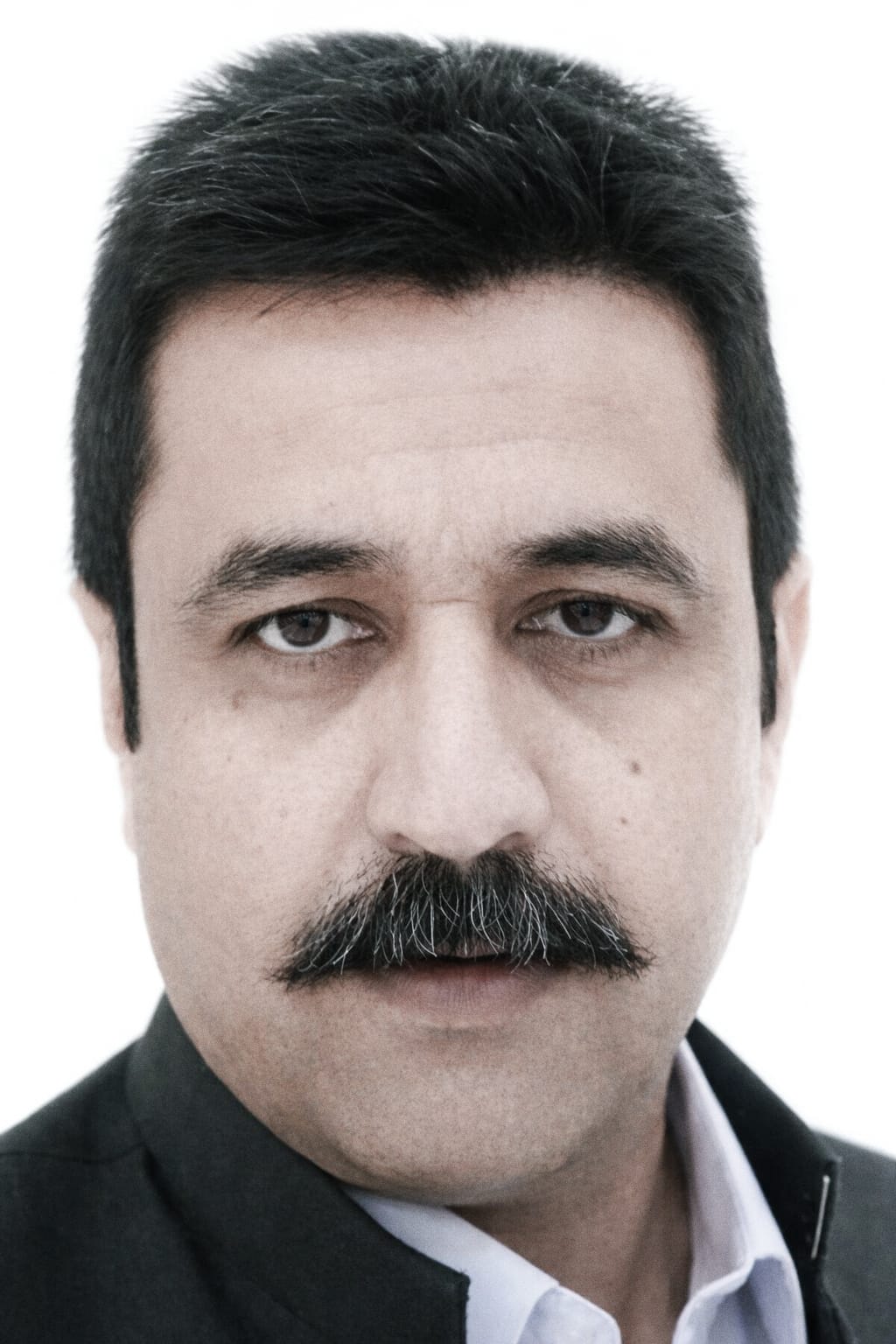
By: Malik Bilal
The concept of gender mainstreaming has increasingly gained recognition as a fundamental pillar of inclusive governance. In Khyber Pakhtunkhwa (KP), the Local Government system established under the Khyber Pakhtunkhwa Local Government Act, 2013, provides a comprehensive framework for grassroots democracy. However, despite progressive provisions on paper, the effective participation and empowerment of women in the local governance system remain limited due to structural, cultural and institutional barriers. The Local Government system in KP is structured at two tiers, as specified in the Eleventh Schedule of the Local Government Act, the composition and structure of both the Tehsil Council and Village/Neighbourhood Councils (VC/NCs) are clearly defined. At the VC/NC level, representation includes three general seats, as well as one reserved seats each for women, youth, peasants/workers and minorities. Importantly, women are allocated 33% of the reserved seats in the Tehsil Council, whereas other categories are provided only 5% each. This comparatively higher quota offers a significant opportunity for women and in theory, ensures their meaningful inclusion in the decision-making process
An important feature of the system is that women are not restricted to contesting only reserved seats; they are eligible to contest on general seats as well. This provides women with a broader democratic space compared to male candidates, who cannot contest on seats reserved for women. Thus, the legal framework creates a unique opportunity for women to enhance their political participation beyond the minimum quota. Despite this enabling provision, the actual representation of women often falls short of expectations. In several instances, particularly during previous local government elections, many reserved seats for women remained vacant. Even in urban centers such as Peshawar, a significant number of women either did not submit nomination papers or were elected unopposed due to the absence of competition. This reflects deeply rooted socio-cultural norms in a male-dominated society where women’s political participation is often discouraged or controlled.
Under the Local Government Act, 2013 (amended in 2019 and 2022), women are entitled to participate in council proceedings, contribute to policy discussions, and play an active role in development planning and implementation. At the VC/NC level, the affairs of local governance are primarily run through committees, notably the Monitoring Committee and the Accounts Committee. Similarly, at the Tehsil level, the functioning of the local government is largely managed through four council committees along with several standing committees. At the Tehsil level, the formal committee structure includes the Tehsil Finance Committee, Tehsil Accounts Committee, Tehsil Committee on Code of Business and Tehsil Code of Conduct Committee. These committees are central to financial oversight, governance procedure and enforcement of ethical standards within the local government system. However, similar to other committees, women’s representation in these important bodies remains minimal or non-existent, further restricting their influence over key governance and financial decisions. However, a critical gap exists in the composition of these committees: there are no mandatory reserved seats for women. As a result, women are often excluded from these influential platforms where key decisions are made. This exclusion significantly undermines their role in governance and reduces their participation to a symbolic level. Furthermore, there is no provision for earmarked or equitable allocation of development funds specifically for women-centric initiatives. Consequently, women’s needs and priorities are frequently overlooked in development planning. In practice, their role is often confined to low-impact activities, such as the distribution of sewing machines, rather than being involved in substantive development interventions related to education, health, infrastructure or economic empowerment.
Another significant issue is the marginalization of women in council meetings. Although they are formally members of the councils, their participation is often restricted due to prevailing cultural norms. In many cases, women do not speak during meetings and their representation is informally exercised by male family members such as husbands or sons. This practice not only undermines democratic principles but also silences women’s voices in governance processes. Given that women constitute nearly 50% of the population, their exclusion from planning, monitoring and execution of both developmental and non-developmental activities represents a major governance deficit. Local Governments should prepare and analyze their budgets through a gender lens to ensure that financial allocations equitably address the needs, priorities and challenges of both women and men. Gender-responsive budgeting is essential for translating policy commitments into tangible outcomes and for promoting inclusive development. In this regard, the Tehsil Budget Rules and Planning & Development (P&D) Guidelines explicitly emphasize the principle of bottom-up planning in the budgeting process. This approach requires meaningful consultation with all segments of society, particularly marginalized groups including women, to ensure inclusive and need-based development planning. However, in practice, this principle has rarely been implemented in the local government system. Women and other marginalized groups are seldom consulted during budget formulation, resulting in development priorities that do not adequately reflect their needs and concerns. Without their meaningful participation, local governance cannot be truly representative or responsive to community needs.
To address these challenges, a set of targeted and well-structured reforms is essential to ensure the effective mainstreaming of gender within the local government system of Khyber Pakhtunkhwa. According to Shaukat Ali Khan, a former Deputy Secretary of the Local Council Board in the Local Government Department, Khyber Pakhtunkhwa and an expert on the Local Government Act and gender-responsive budgeting, meaningful progress requires moving beyond formal provisions toward the establishment of robust institutional and operational mechanisms that translate policy commitments into tangible outcomes.
In this context, several priority reforms are critical. First, women’s representation must be mandated across all committees at VC/NC and Tehsil levels, with a minimum quota to ensure their inclusion in key decision-making bodies. Second, dedicated development funds should be allocated for women-specific initiatives, alongside the institutionalization of gender-responsive budgeting to ensure that public resources equitably address women’s needs and priorities. Third, comprehensive capacity-building programs should be designed and implemented for elected women representatives to strengthen their leadership, technical knowledge and confidence in navigating governance processes.
Fourth, legal and administrative measures must be enforced to ensure that elected women actively and independently participate in council proceedings, rather than being informally represented by male family members. Fifth, sustained awareness and advocacy campaigns are required to challenge entrenched socio-cultural barriers and to encourage women’s active participation in electoral and governance processes. Finally, monitoring and accountability mechanisms should be strengthened to ensure compliance with gender-related provisions, enhance transparency and systematically track progress in women’s participation.
In conclusion, while the Local Government Act, 2013, provides a foundational framework for women’s inclusion, the effective realization of gender mainstreaming requires deliberate policy action, institutional strengthening and broader societal transformation. Empowering women in local governance is not merely a matter of representation; it is fundamental to achieving inclusive development, advancing social justice and ensuring sustainable progress in Khyber Pakhtunkhwa.
About the Author: Malik Bilal is a development and humanitarian professional and policy practitioner with expertise in governance, gender inclusion, emergency response, resilience building, climate governance and sustainable development in Pakistan. His work focuses on strengthening community-based systems, promoting gender-responsive planning and enhancing participatory approaches at the grassroots level. He has extensive experience in programme management, field implementation and community-based livelihood initiatives. He can be reached at malikbilal1983@gmail.com