
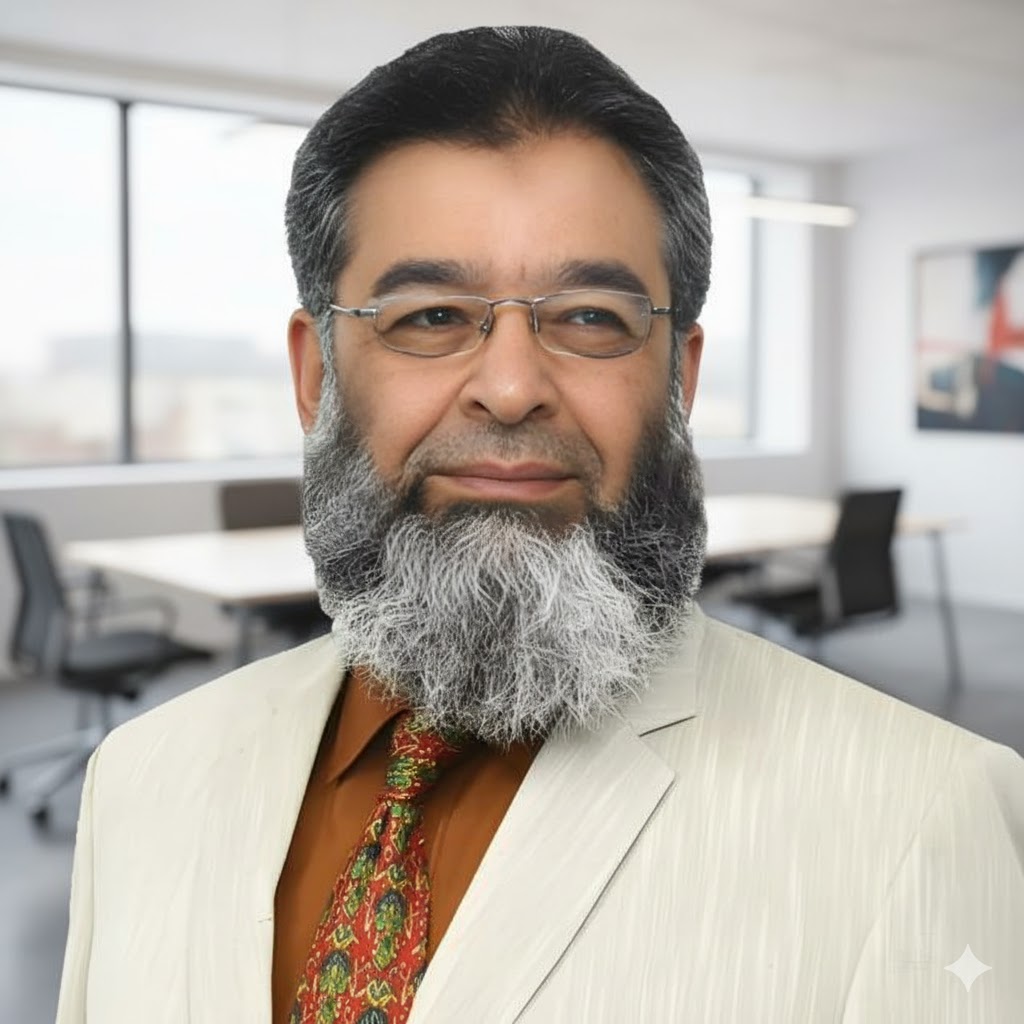
by Muhammad Mohsin Iqbal
Nations are not built in a moment, nor do they rise to dignity without sacrifice. The story of Pakistan is, in essence, a chronicle of devotion, endurance, and unyielding faith. From the towering leadership of Quaid-e-Azam Muhammad Ali Jinnah to the countless unnamed workers who toiled silently for a dream they might never fully witness, every soul that contributed to the Pakistan Movement deserves our reverence. It is upon their sacrifices that the edifice of our freedom stands today. The journey from subjugation to sovereignty was neither smooth nor certain; it was marked by trials that tested the very spirit of the nation. Yet, by the grace and mercy of Almighty Allah, Pakistan endured, emerging resilient from each storm that threatened its existence.
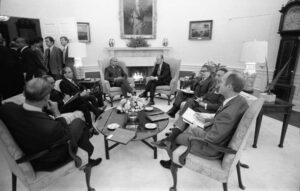
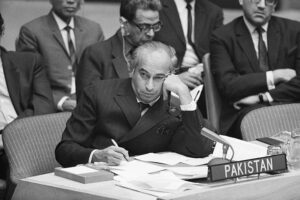
As the nation traversed its early decades, leadership in various forms continued to shape its destiny. Among those who left an indelible imprint on the political and ideological landscape of Pakistan was Zulfiqar Ali Bhutto, a figure both celebrated and contested, yet undeniably consequential. History, by its nature, judges individuals through multiple lenses. No man is entirely free of flaws, nor is any legacy devoid of complexity. Yet there are moments in the life of a nation when certain actions transcend criticism and become part of the collective pride of a people.
In the case of Bhutto, three such contributions stand out with remarkable clarity. First, the provision of a consensual constitutional framework in the form of the Constitution of Pakistan 1973. At a time when the nation was grappling with internal disarray and the trauma of disintegration, this constitution provided not merely a legal structure but a renewed sense of unity and direction. It was a document born of consensus, reflecting the aspirations of a diverse federation and offering a roadmap for democratic governance.
Second, his role in addressing the sensitive and contentious issue of Qadianism through constitutional means marked a defining moment in Pakistan’s ideological history. By facilitating a parliamentary decision that declared it outside the fold of Islam, Bhutto responded to a demand deeply rooted in the sentiments of the Muslim populace. This action, while lauded by many, also invited a storm of opposition and intrigue, setting in motion forces that would later converge against him. Yet, from the perspective of his capable, it was an act that fortified the religious identity of the state and addressed a long-standing source of discord.
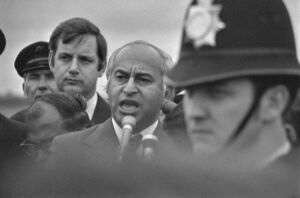
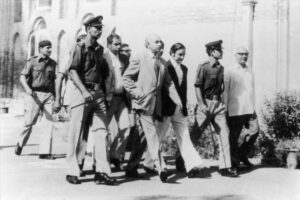
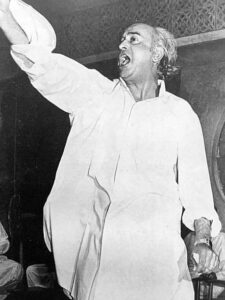
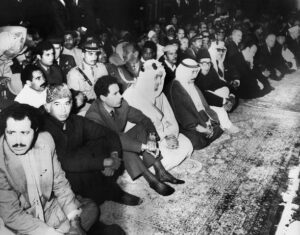
Third, and perhaps most symbolically powerful, was his leadership in convening the historic Organisation of Islamic Cooperation Summit 1974 Lahore. At a time when the Muslim world was fragmented and searching for cohesion, this summit brought together leaders from across the Islamic world under one roof in Lahore. It was not merely a diplomatic gathering but a moment of collective assertion, where the Muslim Ummah glimpsed the strength that lay in unity. The Western media, observing this unprecedented convergence, remarked upon Pakistan’s emerging stature with a sense of both awe and apprehension, likening its influence to a unifying force within the Islamic world.
Tragically, the lives of many leaders who participated in that summit were later cut short under mysterious or unnatural circumstances, adding a layer of poignancy to that moment of unity. Yet the legacy of that gathering endures, reminding us that solidarity among Muslim nations is not an unattainable ideal but a lived reality that once illuminated the political horizon.
In the contemporary world, where the Muslim Ummah faces trials of division, weakness, and external pressures, the memory of that unity becomes ever more relevant. The crises of today call not merely for rhetoric but for a revival of the spirit that once brought diverse nations together in a shared cause. Pakistan, by virtue of its history, its sacrifices, and its capabilities, continues to hold a position of significance within the Islamic world. It is perceived, in many quarters, as a source of strength and a guarantor of resilience, a nation whose stability carries implications far beyond its borders.

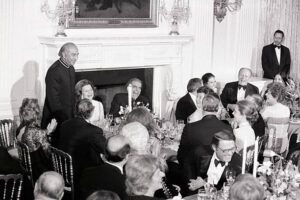
The life of Bhutto, however, was not destined to conclude in tranquility. On the somber day of April 4, 1979, he was executed, a moment that remains etched in the collective memory of the nation with a mixture of sorrow and controversy. Death, though inevitable, does not diminish the weight of a man’s contributions. In the case of Bhutto, his deeds—particularly those that shaped the constitutional, ideological, and diplomatic contours of Pakistan—have ensured that his name endures in the annals of history.
It is often said, with a blend of sentiment and conviction, that Bhutto lives on. This is not a literal assertion but a recognition of the reality that certain deeds transcend mortality. When a leader imprints his vision upon the soul of a nation, he becomes part of its enduring narrative. Such legacies are not confined to the pages of history books; they live in the consciousness of a people, in their institutions, and in their collective memory.
As we reflect upon the journey of Pakistan and the figures who shaped it, it becomes imperative to rise above narrow judgments and appreciate the broader canvas of history. Nations thrive when they acknowledge their past with honesty, gratitude, and wisdom. The Pakistan of today, with all its challenges and achievements, is the product of countless sacrifices and pivotal decisions.
May Allah, in His infinite mercy, illuminate the graves of those who served this nation with sincerity and grant them eternal peace. And may He guide Pakistan to embody the unity, strength, and purpose that once defined its most inspiring moments, so that the sacrifices of its great sons continue to bear fruit for generations to come.
