
Regional issues open Gulf market for Pakistan exports.
TARIQ KHATTAK
Islamabad:
Prime Minister Shehbaz Sharif’s directive to formulate a comprehensive strategy for exporting surplus food to Gulf countries has drawn praise from senior business leaders, who described the move as timely amid regional supply disruptions and rising demand for reliable food sources in the Middle East.
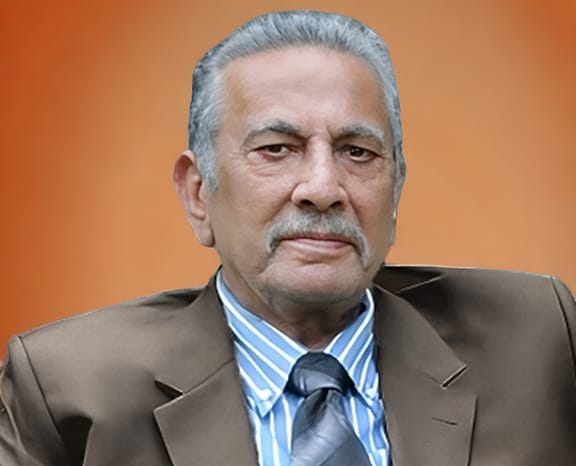
Shahid Rasheed Butt, former president of the Islamabad Chamber of Commerce and Industry, welcomed the initiative, saying the prime minister had acted at an appropriate moment. He said ensuring food security for Gulf nations, with whom Pakistan shares longstanding diplomatic and economic ties, was both a strategic opportunity and a step that could deepen bilateral cooperation.
With global supply chains under pressure due to geopolitical tensions and climate-related disruptions, Pakistan’s diverse agricultural base covering crops, rice, meat, poultry, dairy, and seafood positions the country to expand its role as a dependable food supplier to regional partners, he said.
Shahid Rasheed Butt noted that proactive engagement at the highest level was essential to convert goodwill into concrete export orders before competing suppliers captured the market. He added that the PM’s directive to task the Pakistan National Shipping Corporation with facilitating sea-route exports addresses a longstanding logistical gap that has previously limited large-scale food shipments to Gulf markets.
He also termed the instruction to keep ambassadors and trade officers in Gulf states actively engaged an important step, noting that commercial relationships in those markets are often strengthened through sustained diplomatic and institutional support.
Pakistan already maintains a notable presence in Gulf food markets. Rice, meat, fruits, vegetables, and dairy products form the core of the country’s food exports to the region. At Gulfood 2026 in Dubai in January, more than 150 Pakistani companies participated, nearly double the previous year, reflecting strong demand for Pakistani rice, pulses, dairy products, meat, and processed foods.
Shahid Rasheed Butt said the prime minister’s initiative builds on that growing commercial momentum by adding policy direction and institutional backing needed to accelerate exports.
Pakistan’s overall exports during July to January of fiscal year 2025-26 stood at 18.19 billion dollars, down 7.11 percent from the same period a year earlier, according to official trade data, highlighting the urgency of expanding into higher-value food segments and strengthening access to stable external markets.
