
Pakistan’s educational discussions surrounding the Single National Curriculum (SNC) extend far beyond simple textbook debates. The fundamental issue centers on equity: can students in public schools achieve educational outcomes comparable to those of students at well-funded private institutions?
This question grows increasingly critical as Pakistan’s educational challenges have evolved into a broader national development emergency. The most recent UNDP Human Development Report (published May 6, 2025) categorizes Pakistan within the “low human development” bracket, showing an HDI score of 0.544 and ranking 168th among 193 nations. Put simply, today’s poor educational achievements are creating tomorrow’s reduced productivity, limited job prospects, and lower earnings.
SNC advocates believe that establishing shared minimum standards can help bridge inequality gaps by ensuring students across different schools pursue comparable learning objectives. However, skeptics highlight concerns about inconsistent implementation abilities, insufficient teaching staff, and the danger that standardization might overlook Pakistan’s rich diversity.
Nevertheless, even those who oppose the current approach recognize an undeniable truth: Pakistan requires improved educational results on a large scale. This has prompted discussions to evolve from “what the syllabus contains” to “how education gets delivered and evaluated.”
Artificial intelligence won’t substitute human educators. However, it can assist Pakistan in achieving SNC goals more efficiently through customized learning experiences, educator assistance, and early detection of educational challenges.
The government’s Indus AI initiative and Indus AI Week 2026 (February 9–15, 2026) communicate clearly: Pakistan aims to structure its AI development around capabilities, implementation, and governance.
However, national initiatives must demonstrate success where it matters most: in actual learning environments. For Indus AI to establish trust, it must produce observable educational achievements, deploy teacher resources, measure foundational learning experiments, and establish sustainable provincial partnerships.
Without this, Pakistan risks repeating familiar patterns: events and declarations without consistent follow-through.
Pakistan’s entrepreneurial environment has historically faced challenges with early investment capital and growth opportunities. Government programs like the Pakistan Startup Fund demonstrate commitment to improving financing and attracting additional investment.
Policy developments also suggest strengthening venture capital support systems connected to innovation and financial technology.
Yet funding alone won’t solve educational technology adoption challenges. The missing element is market demand: provinces must establish clear learning objectives, create transparent testing procedures for pilot programs, and assess solutions based on results rather than promotional materials.
When government becomes a reliable purchaser of educational outcomes, private investment naturally follows.
Educational AI cannot succeed on enthusiasm alone. It requires regulations and trust.
Pakistan needs established standards that define what “SNC-aligned” means for content, evaluation, and quality control. It requires evidence-based purchasing, so pilot programs expand only when learning improvements are documented. It needs comprehensive child data security, since educational information is sensitive and must never serve commercial targeting purposes.
Most importantly, Pakistan must prioritize educator training. The most effective AI approach puts teachers first: train educators, provide them with tools, and recognize improvements in student learning.
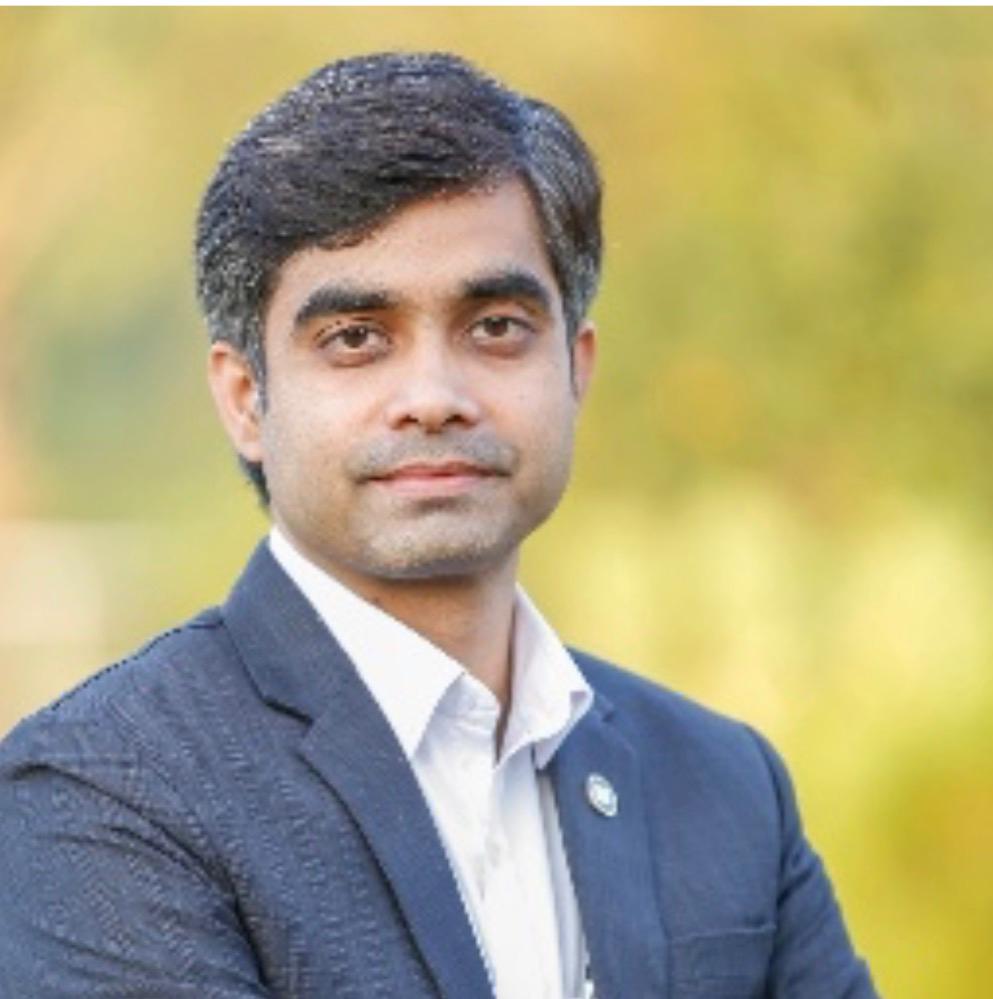
Dr. Shahbaz Tariq is Head of Research at Freedom Gate Prosperity (Islamabad). With 15+ years’ experience across NGOs, a diplomatic mission, and academia, he holds a PhD in Finance and specialises in governance, accountability, donor compliance, and evidence-based policy research.
Mobile +92 333 7473003
Email: shahbaz.tariq@fgp.org.pk
