
By Junaid Qaiser
In a world where alliances are constantly shifting, power dynamics are contested, and uncertainty is on the rise, diplomacy has become more than just a choice — it’s a strategic necessity. Field Marshal Syed Asim Munir’s interactions at the Munich Security Conference perfectly illustrated this point: Pakistan needs to be part of the discussions that shape global security.
Taking place at the historic Hotel Bayerischer Hof, the 62nd Munich Security Conference gathered nearly 50 heads of state and government, along with senior ministers, military leaders, and strategic thinkers. With the rules-based order under pressure and the transatlantic relationship being reassessed, Munich once again became the stage for open debates about the future of global security. For Pakistan, the Chief of Defence Forces’ presence was far from just a symbolic gesture; it carried significant weight.
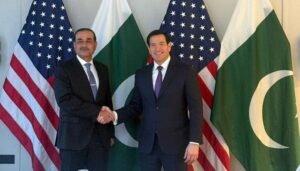
The meeting with US Secretary of State Marco Rubio was particularly significant. Pakistan–US relations have experienced periods of strain and recalibration, but counterterrorism cooperation and regional stability remain enduring points of convergence. Discussions around evolving security dynamics and anti-terrorism collaboration signal that both sides recognise the continued necessity of structured engagement.
In South Asia, the security landscape remains fluid. Developments in Afghanistan, cross-border militancy, and broader Middle Eastern volatility continue to affect Pakistan directly. Constructive dialogue with Washington is therefore not merely diplomatic courtesy — it is strategic prudence.
The CDF’s interactions with German leadership were equally significant. Meetings with key figures such as Interior Minister Alexander Dobrindt, foreign and security policy adviser Günter Sautter, and General Carsten Breuer, the Chief of Defence of the Federal Armed Forces, underscore Pakistan’s intention to strengthen its ties with Europe’s leading power.
Germany plays a central role in shaping European defence policy and the continent’s response to emerging threats. Dialogue on contemporary security challenges and bilateral defence cooperation reflects an understanding that global security today is interconnected. Instability in one theatre has ripple effects elsewhere. Engagement with Berlin positions Pakistan within a broader multilateral framework rather than at its margins.
The outreach extended beyond traditional Western partners. The CDF’s discussions with Admiral Renato Rodrigues de Aguiar Freire, Chief of the Joint Staff of Brazil’s Armed Forces, and General Rodolph Haykal, Commander of the Lebanese Armed Forces, reflect Pakistan’s effort to broaden defence diplomacy across regions. In a multipolar world, diversified partnerships enhance strategic resilience.
What stands out most from these engagements is tone. At a conference marked by candid debate over the future of alliances, institutional reform, technological security risks and geopolitical competition, Pakistan’s approach appeared steady and pragmatic. There was no grandstanding — only structured dialogue focused on cooperation, shared interests and global peace.
The global order is undergoing a transformation. Institutions are facing scrutiny, alliances are being reexamined, and emerging powers are making their presence known. In this context, stepping back can be risky. On the flip side, strategic engagement conveys a sense of confidence.
The CDF’s diplomatic efforts in Munich highlight a Pakistan that is mindful of its responsibilities and the opportunities available. It indicates that Islamabad understands the value of maintaining dialogue — whether with Washington, Berlin, Brasília, or Beirut — as it navigates a complex security environment.
Ultimately, engagement is more than just about appearances; it’s about how you position yourself. And in Munich, Pakistan established itself as a key player in the pursuit of collective security.
