
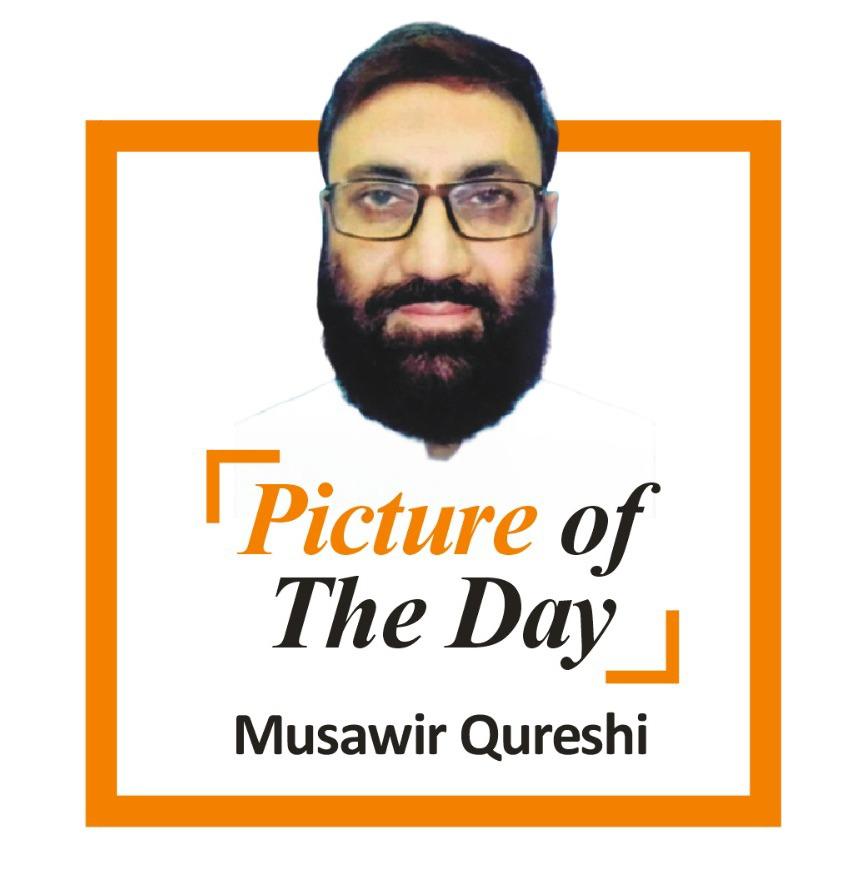
Musawir Qureshi
Until recently, global discussions often portrayed Pakistan as a country struggling under economic pressure and the burden of debt, with some circles even linking it to fears of default. However, over time, the situation has gradually evolved, and today Pakistan’s role, stability, and potential are being viewed from a new perspective on the international stage.
In international politics and economics, it is a well-established reality that a country’s reputation is never static; rather, it depends on its policies, decisions, and practical actions. In recent years, Pakistan’s efforts toward economic discipline, diplomatic engagement, and regional stability have begun to yield visible results in global forums. This is why major countries such as the United States, Germany, Italy, China, Russia, and the United Kingdom are increasingly recognizing the importance of cooperation and partnership with Pakistan.
Particularly on the diplomatic front, Pakistan’s balanced foreign policy has positioned it as a reliable partner among global powers. Projects like the China-Pakistan Economic Corridor have not only revitalized Pakistan’s economy but have also enhanced investor confidence worldwide. Similarly, trade agreements with European countries and the growth in exports have contributed to strengthening Pakistan’s economic outlook.
Pakistan’s relations with the Arab world have always been rooted in historical, religious, and cultural ties. In particular, new agreements, investments, and joint initiatives with countries like Saudi Arabia and the United Arab Emirates demonstrate that Pakistan is viewed as a trusted friend and partner. These relationships are not only vital for economic development but also play a key role in maintaining regional stability.
Pakistan’s defense capabilities and professional expertise also form an important part of its global identity. The contributions of Pakistani armed forces in peacekeeping missions and their sacrifices in the fight against terrorism have become an example for the international community. As a result, Pakistan is often recognized as a responsible and resilient state.
However, it is equally important to acknowledge that the true strength of any nation lies not merely in external recognition but in its internal stability, economic independence, and social unity. Pakistan still needs to make further progress in areas such as economic reform, education, industry, and energy to ensure that the trust it has gained internationally is sustained over the long term.
At a time when the global landscape is rapidly transforming, Pakistan has a significant opportunity to refine its capabilities and establish itself as a strong, sovereign, and developed nation. If this momentum continues, the day is not far when Pakistan will emerge not only as a key regional player but also as a prominent economic and diplomatic force in the world.
“Pakistan Zindabad” is not just a slogan; it is a reflection of hope and determination that, through unity, the nation can achieve new heights of progress and stability.
