
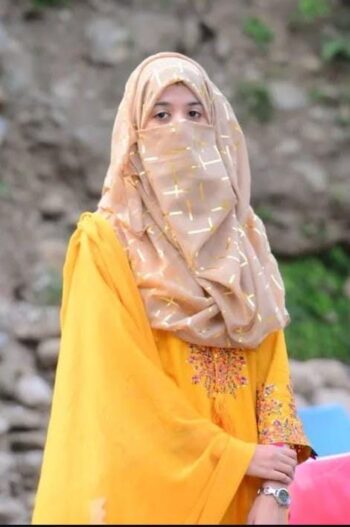
The news of Pakistani actress and model Humaira Asghar’s death shook the nation not for how she died but for how long she stayed forgotten. Found in her Karachi apartment in July 2025, her body had been lying undiscovered for several months. Her death, and the silence surrounding it, reveal more than a personal tragedy they uncover a painful breakdown in our family system, reinforced by the unforgiving expectations of honor culture. This incident forces us to provoke the painful reality of broken family bonds. In South Asian culture, the family is considered a pillar of strength and protection. But that ideal is disappearing. Today, many people especially women are being isolated emotionally for choosing careers or lifestyles that do not align with “family values” and honor culture In Humaira’s case the aloneness became complete. No signs of violence. No forced entry. Only a lifeless room, expired food, and a long silence. Her landlord called authorities after months of unpaid rent. Even then, her father rejected to claim her body, saying they had been separated for two years. In that moment, Humaira became more than a forgotten celebrity she became a symbol of how loneliness can grow in the heart of a family. The role of honor culture in this incident cannot be unnoticed. In the name of preserving respect or status, families even parent frequently reject or distance themselves from beings who live outside traditional norms. But does honour mean turning away from your own children’s? Does it mean allowing silence swallow a life? The implicit force behind several of these heartbreaks is the toxic pressure of honor culture. Instead of being a cause of affection and protection, some families use honor as a weapon of silence and disconnection. But what kind of respect allows a daughter to die alone? What kind of custom values reputation more than life?
Human rights group say the incidents are just the latest cases of honor killings in Pakistan, where women have been assassinated for eloping with men, committing adultery, or even appearing in online videos and photographs. The Human Rights Commission of Pakistan (HRCP) documented at least 384 cases of such killings in alone, including 103 in Khyber Pakhtunkhwa. Humaira Asghar’s death is not just an individual loss. It is a societal disaster, one where fame could not protect her, and family denied to hold her. It is a consideration of how modern society, under the weight of ego, judgment, and misplaced values, has become traumatized to emotional suffering. We must reconstruct a family system that is ingrained not in control or judgment, but in empathy, communication, and care.
The autonomy and agency of individuals, predominantly girls and women, is critical for their personal growth and development. It is essential to distinguish their right to make decisions about their lives, including their education, career, marriage, and well-being. By empowering them to take ownership of their choices and actions, we can adoptive a culture of self-reliance, confidence, and resilience. This, in turn, can lead to more fulfilling lives, stronger communities, and a more equitable society. As a society, we must prioritize creating an environment that supports and encourages girls to make their own decisions, free from undue influence and pressure.
As members of society, let’s not practice ‘honor’ as a justification to hurt others. Every individual deserves admiration, kindness, and freedom to live their life as they choose. Instead of judging or hurting others, let’s support and raise each other. True honor arises from treating others with love, empathy, and understanding
Love your children and stay connected not just when it’s easy, but mainly when it’s hard. Because no one deserves to die unheard, and unmissed. Don’t let down your daughter just to defend honor culture. Humaira’s story must not close in silence. It would start a conversation one that embraces all of us responsible for how we treat the ones we claim to love.
By:Syeda Memoona Tahir
M.Phil in Gender Studies
