
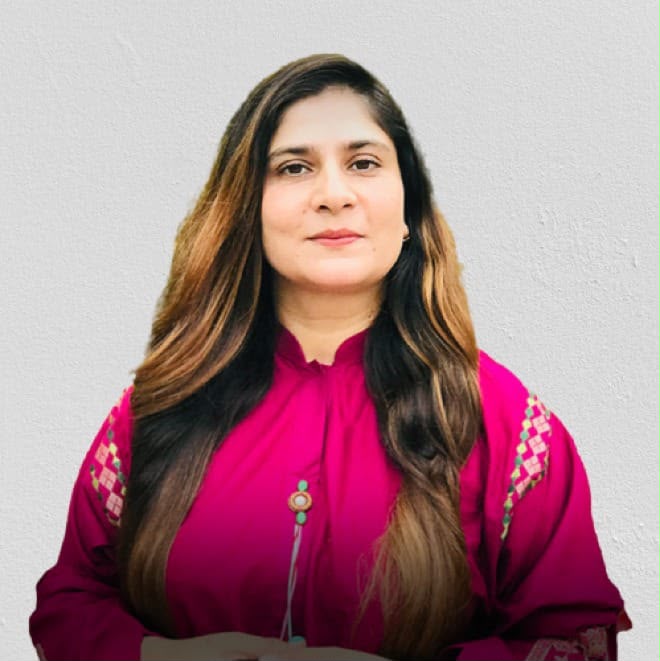
By Fizza Qaisar
There are rare moments when a forty-minute car ride feels less like transit and more like passing through a portal. On August 19, 2026, sitting next to Farhan Bogra, a man whose quiet grace and polished composure instantly disarm you, I was initially unaware of the magnitude of the company I was keeping. It was only when he casually mentioned he was the Farhan from Khumariyaan that I truly did a double-take. My surprise was instantaneous, and I insisted, half-jokingly, that he turn around to show me his face just to be sure. It was a fleeting, completely authentic moment where the star facade melted away, revealing the warm, grounded person behind the music.
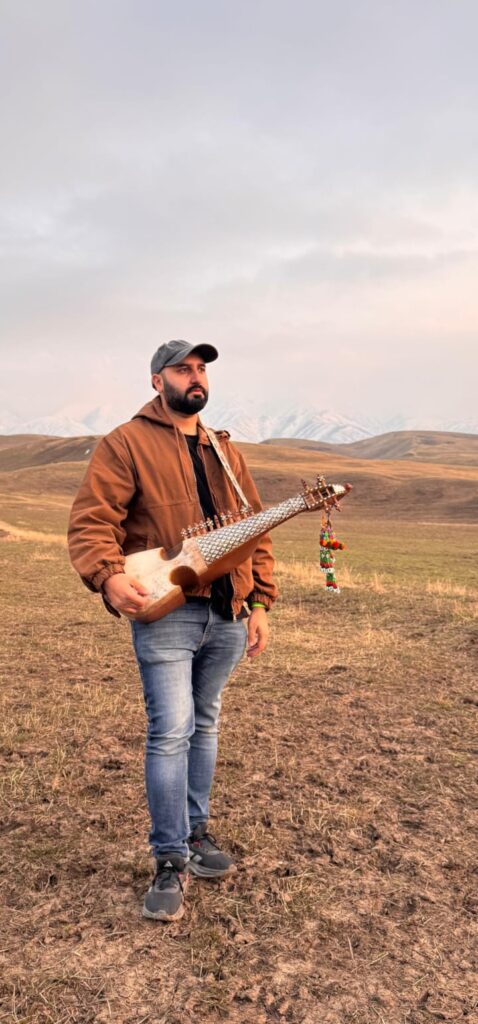
Yet his path was not one of inherited privilege or immediate acceptance. A petroleum engineer by professional training, carrying an academic foundation from Peshawar’s Institute of Management Sciences, he once stood at the threshold of a conventional corporate career, but his heart belonged to the strings. There is a haunting origin to his crusade. Years ago, he gifted a sehtar to a dear friend. In a moment of harsh disapproval, the friend’s father shattered the instrument to pieces. That act of destruction sparked a profound fire in Farhan. He set out on a difficult quest to understand that hatred, traveling extensively to meet over one thousand folk musicians and singers across the region. Absorbing their struggles, their marginalization, and their fading melodies, he realized these cultural treasures were quietly slipping away into oblivion.
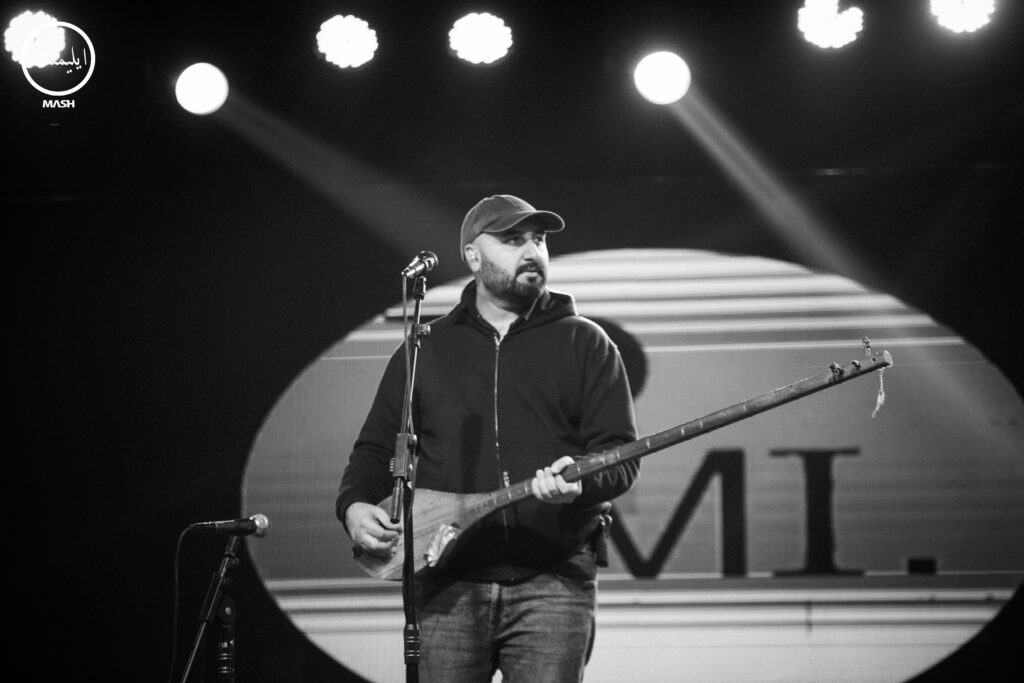
In the deep-rooted fabric of Pakhtoon culture, music was long viewed with skepticism, often considered a distraction from tradition. There was a time when his own family members would shy away from even touching his instruments, as if the sehtar itself carried a social taboo. Yet Farhan persisted with a quiet, stubborn elegance. He stepped into the role of a cultural educator and activist, conducting workshops and mentoring youth while working tirelessly to rescue indigenous instruments that time had almost erased. Through his efforts, ancient soundscapes like the traditional rubab, the sehtar, the dilruba, and regional percussions like the zerbaghali were pulled back from the brink of extinction and given a fresh lease on life.
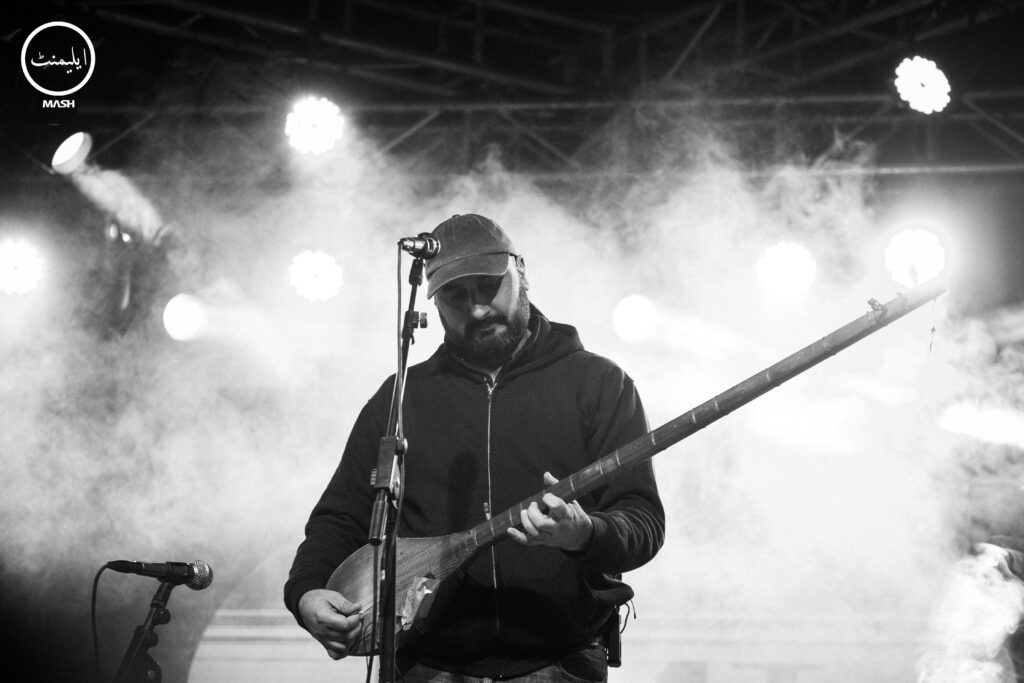
The ultimate testament to his success arrived recently in a moment of profound personal transformation. His brother-in-law, who had once distanced himself entirely from the craft, turned to him and asked if he could bring a sehtar for his son too. That, for Farhan, was the real victory.
His mission soon transcended local boundaries, propelling Khumariyaan onto the world stage. Their recent acclaimed performances in Russia and across global platforms proved that these ancient instruments are not fragile relics, but living, breathing conduits of a universal human identity.
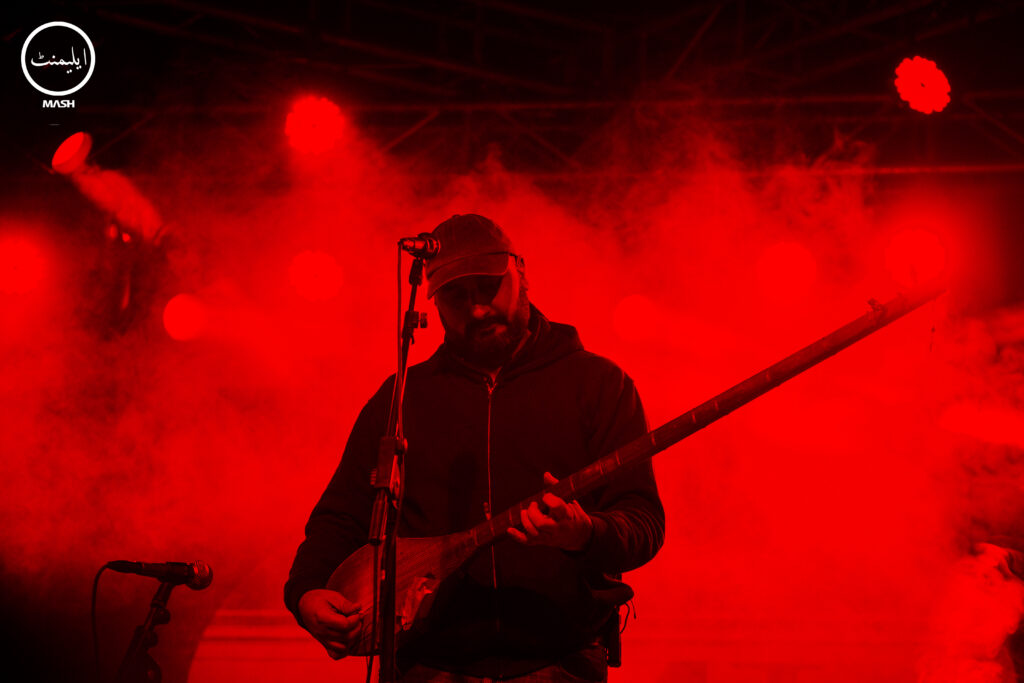
And perhaps I count myself among a very select handful of fortunate souls. As the city lights blurred outside the window during that unforgettable ride, Farhan offered a glimpse into his private sanctuary, playing his brand-new, unreleased Pashto track right there in the car. It was nothing short of spellbinding. Without a single lyric needing translation, the heavy, resonant weeping of the sehtar wove a narrative of raw earth, modern ambition, and timeless longing.
Farhan did not just bring folk music into the twenty-first century. He gave the unsung masters of these instruments a modern, global identity, turning an old taboo into a living heritage.
