
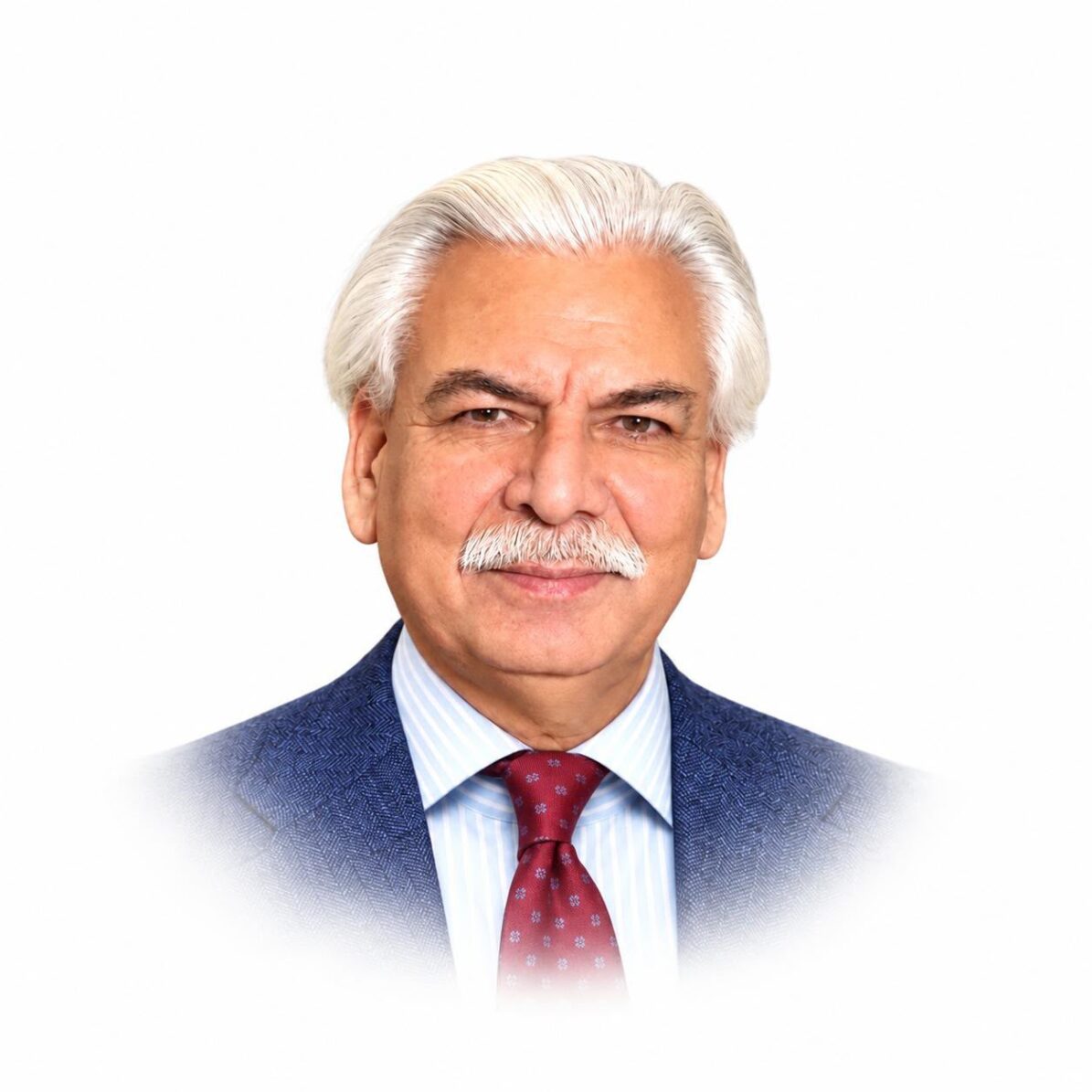
Barrister Usman Ali, Ph.D.
Pakistan’s criminal justice system has long struggled to deliver timely and effective justice. Recent incidents, however, have exposed a more troubling dimension of this crisis. The question is no longer simply why courts fail to deliver justice on time, but whether those failures can justify the state taking the law into its own hands. Can police punish someone merely because they have been arrested? And when political leaders appear to endorse such practices, what becomes of the rule of law, due process and civil liberties?
A series of incidents in Punjab brings these questions into sharp focus. In Lahore, a man accused of assaulting a petrol station employee was arrested. A video later showed the employee slapping the suspect in police custody. Punjab Chief Minister Maryam Nawaz shared the footage on social media, portraying the incident as a lesson for those who believe wealth and influence place them above others.
In another case involving an assault on a young woman riding a scooter, the Chief Minister said she had suggested that the victim slap her alleged attacker as many times as he had slapped her. The woman reportedly declined, saying the government’s assurance of protection and justice was sufficient.
A similar episode followed in Faisalabad, where footage emerged of a female sales assistant being assaulted at a shopping plaza. Police arrested the accused, but another video showed the woman slapping him while he was handcuffed inside a police station. The Chief Minister shared that footage as well, warning those who mistreat vulnerable people of the consequences.
More recently, a conductor on Lahore’s Green Electric Bus service was accused of pushing a young female passenger. The Chief Minister intervened, saying dismissal alone was insufficient and directing him to apologize before the victim’s family. A subsequent video showed the conductor holding both ears in a traditional gesture of apology and expressing remorse.
The mistreatment of these victims deserves condemnation, and the authorities have a duty to respond promptly. Abuse against women, workers and vulnerable citizens remains a serious problem. Yet there is a crucial distinction between protecting victims and permitting punishment outside the legal process. Does an accusation, even one supported by video footage, strip a suspect of constitutional rights? Can retaliation in police custody or public humiliation under official pressure replace due process?
Political leadership has a particular responsibility here. When a province’s highest executive authority publicizes or praises such actions, what message does that send to police officers? Might they conclude that swift, highly visible punishment attracts political approval even when legal procedures are bypassed?
The concern extends far beyond slaps and public apologies. Deaths during police encounters in Punjab raise even more serious questions. According to a February 2026 report by the Human Rights Commission of Pakistan, at least 924 suspects were killed in 670 encounters involving the Crime Control Department over eight months in 2025, while only two police officers reportedly died. The Commission raised concerns about alleged staged encounters and demanded a judicial inquiry. The department rejected the allegations, but the scale of the reported deaths warrants independent investigation.
Reports of police brutality and suspicious deaths in custody have also emerged from Sindh, Balochistan and Khyber Pakhtunkhwa. Although circumstances differ, they raise a common question: are law enforcement agencies subject to effective oversight and accountability?
Public reaction adds another dimension. Some people applaud police encounters, the humiliation of suspects and physical retaliation as swift justice. This response cannot simply be dismissed as ignorance or anger. It reflects decades of frustration with a justice system that has repeatedly disappointed ordinary citizens.
For many Pakistanis, seeking justice is expensive, exhausting and painfully slow. Criminal proceedings drag on for years. Investigations are poorly conducted, evidence is mishandled, witnesses change statements under pressure, and prosecutors fail to establish charges. Influential defendants may exploit their resources, connections and procedural weaknesses. Victims and their families are left waiting while public confidence steadily erodes.
The failure of the justice system cannot justify abandoning the rule of law. When investigators fail to gather reliable evidence or prosecutors cannot establish guilt, judges cannot convict merely to satisfy public expectations. Such failures demand institutional accountability, not extrajudicial punishment. Protecting the innocent from wrongful conviction is as fundamental to justice as ensuring that the guilty are lawfully punished.
The real failure lies in the absence of accountability when cases collapse through negligence, corruption, destroyed evidence or unnecessary delays. Who answers for these shortcomings? Why are responsible officials not held accountable before authorities turn to shortcuts that bypass the law?
This is where the distinction between justice and revenge begins to disappear.
Slapping a detainee, publicly humiliating a suspect or killing someone in an allegedly staged encounter may temporarily satisfy public anger. But popularity cannot transform unlawful punishment into justice. Police may use necessary and proportionate force against an immediate threat; that authority does not extend to punishing someone already in custody or who has surrendered.
If such practices become acceptable against alleged robbers, murderers or influential offenders, what prevents their use against political opponents, personal rivals or innocent citizens? Pakistan’s history offers ample warnings about the misuse of unchecked state power.
These concerns are particularly relevant to Khyber Pakhtunkhwa and Balochistan, where terrorism presents grave challenges. Protecting citizens is a fundamental state responsibility. Effective counterterrorism operations, reliable intelligence, professional investigations and prompt trials are essential. But terrorism cannot justify depriving detainees of legal protections. Where guilt is established through credible evidence and a fair trial, courts can impose the penalties prescribed by law, including the most severe where applicable. Timely, lawful convictions would strengthen public confidence far more sustainably than extrajudicial punishment.
Respect for the rule of law is a fundamental distinction between a constitutional state and the violent organizations it confronts.
The solution is neither more police encounters nor turning police stations into informal courts. Pakistan needs modern forensic facilities, trained investigators, effective prosecution, witness protection, timely trials and independent oversight. Officials responsible for serious misconduct must face consequences, while suspicious encounters and deaths in custody require impartial investigation.
Pakistan’s Constitution guarantees fair trial and due process. Government performance should not be measured by how many suspects are killed in encounters, how many detainees are slapped or how many people are made to apologize publicly. Success means effective investigations, lawful convictions based on credible evidence, timely decisions and protection against abuses of state power.
The strength of a state rests not on police firearms, political statements or fleeting public applause, but on citizens’ confidence in its Constitution, laws and institutions. The remedy for a failing justice system is reform, not allowing police to become investigator, judge and executioner.
Those celebrating such measures as swift justice should consider one uncomfortable question: if the same unchecked authority is used tomorrow against an innocent person or someone in their own family, where will they turn?
Justice delayed is undoubtedly an injustice. But allowing the state to disregard the law in the name of justice creates an even more dangerous precedent. When those entrusted with enforcing the law place themselves above it, justice gives way to arbitrary power. And when power becomes the law, no citizen can feel secure.
