
There are moments when economic decisions do not just alter numbers on paper but reshape the emotional and financial landscape of an entire nation. Pakistan’s latest fuel price increase is one such moment. Announced this week, the government has raised petrol prices by Rs137.23 per litre and high-speed diesel (HSD) by Rs184.49 per litre an unprecedented jump that has taken petrol to approximately Rs458.41 per litre and diesel to nearly Rs520.35 per litre.
This is not just another routine adjustment. It is one of the sharpest increases in the country’s history, and its impact is already echoing far beyond fuel stations.
Across urban centers and rural towns alike, the reaction has been immediate and deeply felt. Motorcyclists, arguably the backbone of daily commuting, are cutting down trips to essentials only. Ride-hailing fares have surged. Public transport operators, unable to absorb such a massive increase, are revising fares almost overnight. For many households, the monthly budget already stretched thin has entered a new phase of uncertainty.
The true impact of this decision lies in how quickly it spreads. Fuel is not an isolated commodity; it is the foundation of transportation, agriculture, and supply chains. When diesel crosses Rs500 per litre, the cost of moving goods multiplies. Vegetables, flour, milk, and other essentials inevitably become more expensive. The rise at the pump translates directly into a rise at the kitchen table.
This is how inflation tightens its grip, not always loudly, but persistently.
Public sentiment reflects a mix of frustration and anxiety. For many, this increase feels less like an economic necessity and more like an unavoidable burden placed on those least equipped to bear it. A daily-wage worker commuting by motorcycle now faces a disproportionately higher cost relative to income. Small business owners, already dealing with reduced purchasing power among customers, must now decide whether to absorb losses or pass them on.
The government, for its part, has attempted to cushion the blow through targeted subsidies. Relief measures include Rs100 per litre subsidies for select groups, financial support for transporters, and assistance for farmers. While these steps acknowledge the severity of the situation, questions remain about their reach and effectiveness. In a country where a large portion of the economy operates informally, targeted relief often struggles to reach everyone who needs it.
At the core of the issue lies a structural challenge. Fuel pricing in Pakistan is not solely determined by global oil markets. A significant portion of the final price includes taxes, levies, and margins. The petroleum levy, in particular, has become a critical source of government revenue. In times of fiscal pressure, increasing fuel prices becomes one of the quickest ways to boost income.
Fuel taxation is inherently regressive. It does not differentiate between income levels. Whether it is a laborer or a luxury car owner, the tax per litre remains the same. Yet the impact is vastly unequal. Lower-income households spend a much larger share of their earnings on fuel and related costs.
Another layer to this crisis is timing. Pakistan’s economy is already navigating high inflation, slow wage growth, and external financial pressures. In such an environment, a sudden and massive fuel hike does not just adjust economic variables; it intensifies public insecurity. It reinforces the perception that economic stability remains fragile and that policy decisions can shift dramatically without warning.
There is also a growing trust deficit. Many citizens do not fully understand how fuel prices are calculated. Without transparent breakdowns, each increase feels abrupt and, at times, arbitrary. This lack of clarity fuels public skepticism, even when economic justifications exist.
Yet, it would be incomplete to view this solely through a domestic lens. Global oil price volatility and international financial commitments have constrained policy choices. Still, reliance on indirect taxation particularly fuel reflects deeper, unresolved issues within Pakistan’s fiscal structure. Expanding the direct tax base remains politically and administratively challenging, leaving fuel as the default option.
So, what does this moment demand?
First, transparency. Citizens deserve a clear, consistent explanation of how fuel prices are determined.
Second, fairness. A more balanced tax system must ensure that those with greater financial capacity contribute more.
Third, protection. Relief measures must be broad, accessible, and effectively implemented to shield vulnerable groups.
Pakistan’s long-term resilience depends on reducing its dependence on imported fuel. Investment in public transport, alternative energy, and efficiency is no longer optional; it is essential. Without these shifts, the country will remain exposed to repeated cycles of price shocks.
The latest increase is not just about higher numbers on fuel boards. It is about shrinking household margins, rising business costs, and a public increasingly uncertain about what comes next. It is about the growing gap between policy decisions and lived experiences.
It is about a question that continues to linger in the minds of millions:
How much more can the ordinary citizen absorb?
About the Author
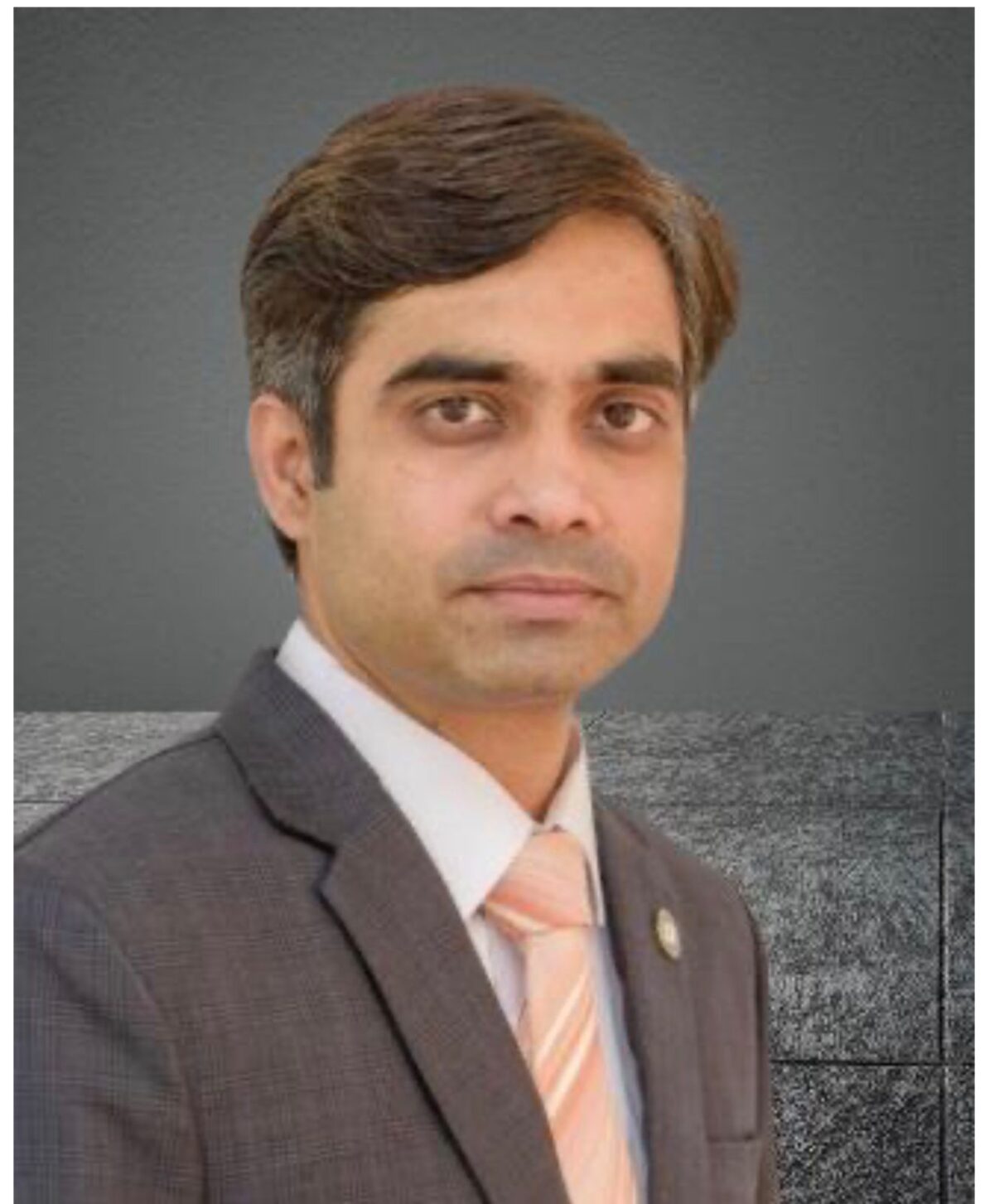
Dr. Shahbaz Tariq is a strategic leader and researcher based in Islamabad with 15+ years of experience across international NGOs, a diplomatic mission, and academia. He currently serves as Head of Research at Freedom Gate Prosperity and is an Adjunct Faculty member at Hamdard University.
Contact: +92 333 7473003 | shahbaz.tariq@fgp.org.pk
