
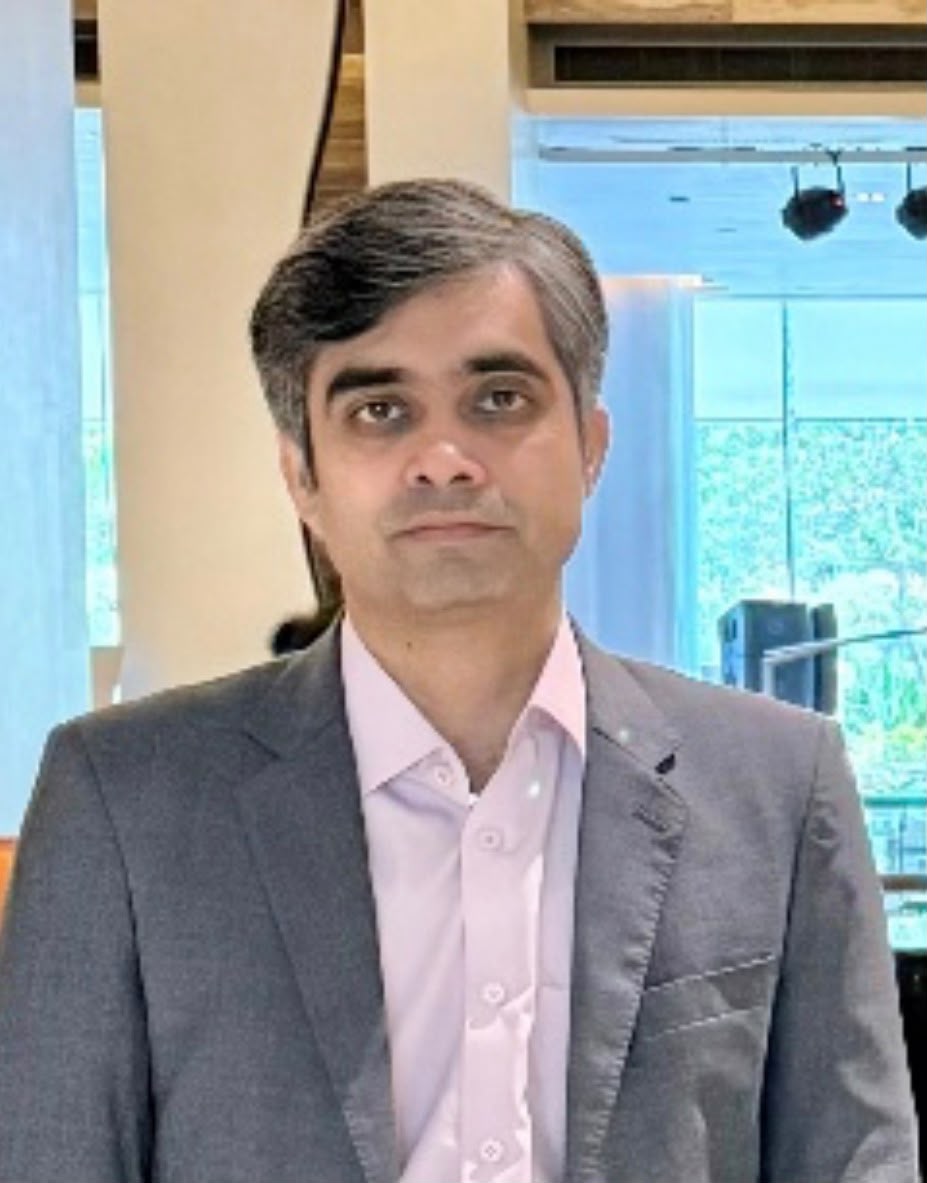
By: Dr. Shahbaz Tariq
When I traveled to Colombo, Sri Lanka, to participate in Fundraising 360, organized by Atlas Network Academy on 8–9 September 2026, I expected to learn practical techniques for donor identification, proposal development, and fundraising strategy. I returned with something more valuable: a deeper understanding of what fundraising really means.
The training challenged a common assumption many nonprofit and policy organizations carry that fundraising begins when an organization needs money. In reality, effective fundraising begins much earlier. It starts with clarity of purpose, credibility, relationships, and the ability to explain why an organization’s work deserves attention and support.
One of the most useful ideas during the training was the emphasis on the value proposition. The Fundraising 360 training posed a simple but powerful question: If I am your ideal donor, why should I give to you rather than another organization or not at all?
For organizations working in development, research, governance, economic freedom, youth empowerment, or civic engagement, this is an important question. We are often good at explaining what we do: workshops, research studies, policy dialogues, publications, community activities, or awareness campaigns. But donors are not necessarily persuaded by activities alone. They want to understand why the work matters and why a particular organization is well positioned to deliver results.
This was especially relevant to my own work with Freedom Gate Prosperity (FGP). Like many emerging organizations, we are ambitious about contributing to research, civic participation, entrepreneurship, economic opportunity, and policy engagement. But ambition alone is not enough. We must communicate our work through evidence, outcomes, and a clear case for why supporting the organization can create measurable public value.
Another important lesson was understanding the fundraising cycle: prospecting, cultivation, and closing. This framework helped reinforce the idea that every institution with financial resources is not automatically the right donor.
Potential supporters need to be carefully identified and qualified. The training emphasized factors such as a donor’s capacity to give, alignment with the organization’s mission, and willingness to support its work. For me, this was particularly useful because nonprofit organizations often spend significant time preparing proposals without first asking whether there is genuine strategic alignment.
The sessions on cultivation were equally important. Fundraising 360 highlighted relationship building, consistent communication, donor stewardship, and ongoing engagement as central to successful fundraising. This shifts fundraising away from a one-time financial transaction and toward a longer-term partnership based on trust and shared interests.
One of the most memorable activities during the training was the Elevator Pitch Competition. Each participant had only 60 seconds to present an organization or project to a panel of judges. The guidelines required a meaningful opening, a clear problem and solution, proof points, and an explicit ask.
The exercise was challenging but extremely valuable. In development and policy work, we often become accustomed to long proposals, concept notes, reports, and presentations. A 60-second pitch forces us to answer a harder question: can we explain why our work matters in a concise, persuasive, and memorable way?
If we cannot, the issue may not be the time limit. It may be that our own message is not yet clear enough.
The training was also valuable because of the people involved. The sessions led by Alexandra Forni, Jamie Connors, Chelsea Schick of Atlas Network, and Anthea Haryoko of the Center for Indonesian Policy Studies (CIPS) created an environment where fundraising was discussed not only as a technical function, but as part of organizational strategy and sustainability.
Equally important was the opportunity to connect with professionals from across Asia. The exchange of experiences reminded me that strong organizations are built not only through funding, but also through relationships, networks, peer learning, and collaboration.
For non-profit and think tank sector, this lesson is highly relevant. Many organizations face persistent financial sustainability challenges, and the natural response is often to search for more grant opportunities.
But perhaps the first question should be different.
Before asking, “Where can we find funding?”, organizations should ask, “Why should someone invest in us?”
That question encourages stronger strategy, clearer communication, better evidence, and greater accountability.
For me, this was the central lesson of Fundraising 360. Fundraising is not primarily about asking for money. It is about demonstrating value, building credibility, understanding donor motivations, and creating relationships based on trust.
People invest when they believe in the purpose, trust the people behind it, and see the possibility of meaningful impact.
That is where effective fundraising begins.
About the Author
Dr. Shahbaz Tariq is a researcher, academic, and development professional with over 15 years of experience across international development, diplomatic, and academic sectors. He serves as Head of Research & Development at Freedom Gate Prosperity and Visiting Faculty at Hamdard University, with interests in economics, governance, public policy, and development.
Contact: +92 333 7473003 | shahbaz.tariq@fgp.org.pk
