
Move expected to strengthen export performance
TARIQ KHATTAK
Islamabad:
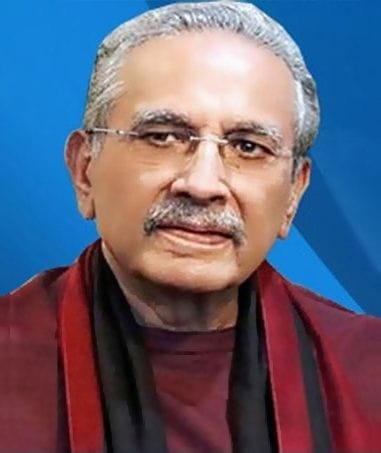
The government’s recent economic measures are expected to support export growth after months of distress signals from the textile and allied industries, business leader and former president of the Islamabad Chamber of Commerce, Shahid Rasheed Butt, said on Tuesday.
In a statement, Butt said Prime Minister Shahbaz Sharif announced a package of reforms after repeated warnings from exporters about high energy costs, weak demand, and tight financing. He said parts of the business community had positively received the steps and were providing limited but timely relief to textile and selected industrial sectors that are important for Pakistan’s export earnings.
Shahid Rasheed Butt said the package included a reduction in industrial electricity tariffs by Rs 4.04 per unit, reducing costs for export-oriented units. He added that the export refinance rate had been cut by 300 basis points, lowering borrowing costs for firms already struggling with high working capital costs. According to him, electricity-wheeling charges had also been rationalised to below Rs 9 per unit, allowing industries greater flexibility in sourcing power.
He said changes to the Export Facilitation Scheme had removed disadvantages faced by upstream manufacturers, creating a more level playing field within the textile value chain.
Linking the measures to longer-term goals, Butt said value-added textile exports could rise from about 18 billion dollars to 30 billion dollars over the next five years if policies remained consistent. He said the industry was targeting annual export growth of around 10 percent.
He argued that Pakistan’s strength in value addition, which accounts for roughly three-quarters of textile exports, could be enhanced if the private sector were involved in economic decision-making. However, he cautioned that headline measures would not be enough without credible implementation. Energy bills remain volatile due to fuel price adjustments and taxes, while refund delays continue to strain cash flows. Higher exports must translate into job security and wage growth.
Export recovery would help ease pressure on foreign exchange reserves and reduce reliance on external borrowing, he said.
