
IMF should show flexibility amid war-driven oil shock.
TARIQ KHATTAK
ISLAMABAD
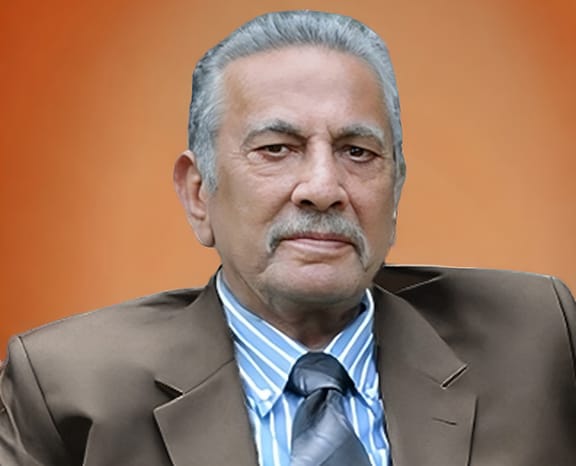
Business leader and former president of the Islamabad Chamber of Commerce and Industry, Shahid Rasheed Butt, said on Tuesday that pressure from the International Monetary Fund (IMF) to immediately withdraw fuel price support could deepen poverty and fuel public unrest in Pakistan.
He said millions of farmers, transporters, and low-income households depend on affordable diesel to sustain their livelihoods, and removing the subsidy at a time of severe energy shocks would place an unbearable burden on struggling segments of society.
The IMF has expressed concern over fuel price distortions, particularly the absence of the petroleum development levy (PDL) on high-speed diesel. The levy currently stands at zero, compared with the Rs80 per litre target envisaged in the federal budget.
Shahid Rasheed Butt said restoring the levy at the present moment would significantly raise diesel prices, triggering a chain reaction across the economy. Diesel is the backbone of Pakistan’s freight and agricultural systems, and rising transport costs have already begun feeding into the prices of flour, fertiliser, and other essential goods.
He warned that the timing of the proposed policy shift is especially problematic as the wheat harvest season approaches. Combine harvesters, threshers, irrigation pumps, and the trucks transporting grain to flour mills all run on high-speed diesel, meaning higher fuel prices could directly translate into higher food costs.
Public transport operators have already raised fares by up to 35 percent without formal approval, further squeezing low-income commuters who rely on buses and vans for daily travel.
Pakistan imports nearly 80 percent of its oil needs, leaving the economy highly exposed to global price volatility. The recent surge in international energy prices has increased import costs, undermined export competitiveness, and intensified pressure on Pakistan’s external accounts.
According to the World Bank, Pakistan’s poverty rate reached 40.5 percent in fiscal year 2024, while the Benazir Income Support Programme reaches only a portion of vulnerable households.
Butt said the government should negotiate flexibility with the IMF to temporarily retain targeted relief on diesel during the harvest season. He added that rigid fiscal targets should not apply when external conflicts, rather than domestic policy failures, are driving the economic shock.
