
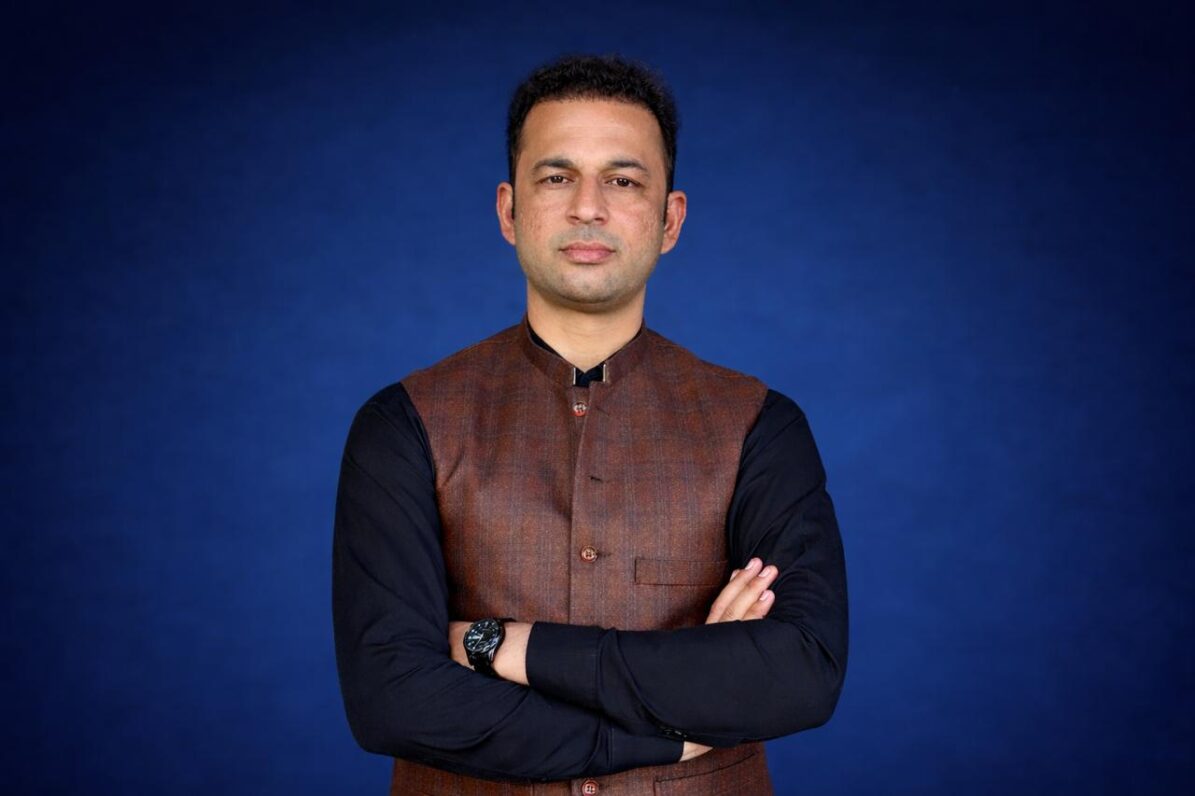
By Farman Ullah
In times of war and uncertainty, truth is often the first casualty, while peace efforts are overshadowed by misinformation and competing interests. In such moments, responsible states rise above propaganda, prioritize dialogue, and rely on verified facts rather than speculation. This principle is particularly relevant in the rapidly evolving Middle East, where Pakistan’s diplomatic importance is once again becoming evident.
Recently, Iran firmly denied reports claiming it had refused to participate in potential peace talks in Islamabad. Iranian Foreign Minister Abbas Araghchi clarified that Iran had never declined an invitation to visit Pakistan and, in fact, appreciated Pakistan’s efforts to facilitate dialogue. He emphasized that Iran’s primary concern is not the venue but the conditions necessary to ensure a just and lasting resolution to what it considers an imposed and illegitimate conflict.
This statement directly contradicted claims published in The Wall Street Journal, which suggested that Pakistan-led ceasefire efforts had failed. Iran’s swift clarification not only dispelled misinformation but also reinforced Pakistan’s credibility as a serious and capable mediator in regional affairs.
Pakistan’s leadership welcomed this clarification. Deputy Prime Minister and Foreign Minister Ishaq Dar stressed the importance of relying on verified information, while Foreign Office spokesperson Tahir Andrabi noted that unverified reports and speculation create confusion and undermine diplomatic efforts. Their responses highlighted Pakistan’s commitment to transparency and constructive engagement.
This episode underscores a recurring issue: Pakistan is often misrepresented in global discourse, whether deliberately or unintentionally. As a country maintaining relations with major global players—including the United States, Iran, and China—Pakistan frequently acts as a bridge between competing interests. While this strategic position attracts attention, not all narratives surrounding its role are grounded in facts; some are shaped by political or strategic considerations.
Several factors contribute to negative portrayals of Pakistan in sections of foreign media. First, Pakistan’s expanding diplomatic role challenges the traditional influence of certain powers. By facilitating dialogue between opposing sides, it demonstrates an independent foreign policy that may not align with all global agendas.
Second, the complexity of modern information systems contributes to the spread of incomplete or misleading narratives. Reports often rely on anonymous sources or partial information, leading to coverage that fails to capture the full reality. Countries engaged in sensitive diplomacy, like Pakistan, are particularly vulnerable to such speculation.
Third, the growing phenomenon of global information warfare cannot be ignored. Both state and non-state actors increasingly use media platforms to advance strategic interests. In this environment, portraying Pakistan as ineffective or unreliable can serve specific geopolitical objectives, especially in regions where influence is contested.
Despite these challenges, Pakistan has consistently demonstrated its commitment to peace and stability. Prime Minister Shehbaz Sharif has offered to host meaningful and result-oriented negotiations between the United States and Iran, reflecting Pakistan’s willingness to play a constructive role in conflict resolution.
Pakistan’s diplomatic efforts also extend beyond bilateral engagement. Its cooperation with China and recent multilateral initiatives in Islamabad reflect a comprehensive approach to reducing regional tensions. These efforts underscore Pakistan’s intention to contribute to long-term peace rather than short-term political gains.
At the same time, Iran’s distrust of the United States adds complexity to the situation. Reports indicate that Iran finds U.S. conditions unacceptable and remains skeptical of its intentions. In such a challenging environment, Pakistan’s neutral and balanced stance enhances its credibility as a mediator.
Public sentiment in Iran further strengthens this perception. Expressions of solidarity toward Pakistan suggest that its peace efforts are recognized not only diplomatically but also among the general public, adding another dimension to its growing regional influence.
Iran’s clarification serves as a reminder of the importance of responsible journalism and accurate information in international affairs. Pakistan’s diplomatic role should be assessed based on concrete actions rather than speculative narratives. In an increasingly complex global environment, Pakistan’s role is not only significant but essential—even if some actors attempt to cast it in a controversial light.
