

By Junaid Qaiser
The Middle East is once again facing a perilous and unpredictable situation. President Donald Trump’s announcement of “major combat operations” against Iran, in collaboration with Israel, has significantly heightened tensions in a region already weighed down by years of conflict, proxy wars, and geopolitical rivalries. The U.S. military campaign, dubbed “Operation Epic Fury,” is aimed at Iranian military infrastructure and nuclear facilities, marking one of the most significant confrontations between the United States and Iran in recent history.
Recent developments have escalated the crisis even further. Iranian state media reports that Iran’s Supreme Leader, Ayatollah Ali Khamenei, was killed in his office, along with several targeted strikes that took out senior leaders. There’s been no confirmed news about President Masoud Pezeshkian’s whereabouts or condition. Meanwhile, key military and strategic sites across Iran, including missile facilities and command centers, have reportedly come under attack. If these reports are verified, it wouldn’t just be an escalation; it would signify a historic break in the Islamic Republic’s political structure, potentially leading to internal chaos, power struggles, and unpredictable consequences in the region.
The recent escalation highlights a concern that many regional analysts have dreaded for some time—that the ongoing shadow war involving Washington, Tel Aviv, and Tehran might eventually escalate into a full-blown military conflict. For years, the tensions have mostly been limited to sanctions, covert operations, cyber warfare, and proxy skirmishes with groups linked to Iran in places like Lebanon, Iraq, Gaza, and Yemen. However, the latest events indicate a troubling shift from indirect confrontations to outright conflict.
For Pakistan, this emerging crisis poses a significant diplomatic and strategic dilemma. Given its geographical proximity to Iran and the long border they share, the stability of Iran is crucial for Pakistan’s own security landscape. At the same time, Pakistan has strong political, economic, and strategic ties with the Gulf Arab nations—especially Saudi Arabia, the United Arab Emirates, Qatar, Bahrain, Kuwait, and Jordan—countries that are home to millions of Pakistani expatriates and play a key role in Islamabad’s economic and security partnerships.
Navigating this complex reality means that Pakistan needs to adopt a policy that leans more towards prudence than passion. So far, Islamabad’s response seems to reflect this careful approach. The country has raised concerns about the recent hostilities, highlighting the need for restraint and diplomacy, while also denouncing attacks that threaten the sovereignty and security of Gulf states.
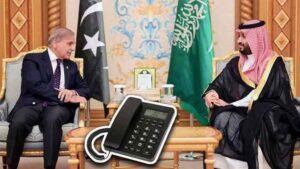
Prime Minister Shehbaz Sharif’s outreach to Gulf leaders underscores Pakistan’s commitment to its brotherly countries, while its statements at the United Nations emphasize the need for diplomacy over prolonged confrontation. This diplomatic stance embodies a broader principle of Pakistan’s foreign policy: to protect national interests while fostering strong ties with fellow Islamic countries. The Gulf region is not just a diplomatic partner; it’s vital for Pakistan’s economic stability through remittances, trade, and energy cooperation. Any conflict that shakes the Gulf will inevitably impact Pakistan’s economic and strategic landscape.
At the same time, Pakistan needs to keep a close eye on what’s happening in Iran with a strategic mindset. Wars have a way of changing political landscapes, and the ongoing conflict has already led to chatter about potential internal strife or shifts in leadership within Iran. If such changes take place, Pakistan will still have to engage positively with whatever new political figures come to power in Tehran. Given the geographical and regional dynamics, cooperation between these two neighbors is simply a necessity.
The core principle guiding Pakistan must be clear: national interest above all, coupled with responsible solidarity. Pakistan cannot afford emotional or reactionary positions in a conflict whose outcome remains uncertain. If the current escalation leads to regime change or a transformation of Iran’s political order, Islamabad will still have to engage with whatever authority emerges in Tehran. Geography does not change with governments.
This is exactly why Pakistan should steer clear of getting entangled in the polarized factions of a larger Middle Eastern conflict. Instead, Islamabad ought to champion diplomacy, promote de-escalation, and back mediation efforts aimed at bringing opposing sides back to the negotiating table. Countries like Oman have historically played a vital role in fostering dialogue between Washington and Tehran, and maintaining these channels is crucial to avoiding a broader regional war.
The current crisis serves as a reminder that geopolitical storms often force nations to make difficult choices. For Pakistan, the challenge is not merely about responding to the Iran conflict but about safeguarding its long-term strategic interests while maintaining solidarity with its brotherly partners in the Islamic world.
In times of upheaval, the wisest foreign policies are those guided by caution, balance and foresight. Pakistan must therefore tread carefully—standing by its allies in the Gulf, maintaining pragmatic engagement with Iran and keeping diplomacy at the center of its regional approach. Only through such a measured strategy can Islamabad protect its national interests while contributing to stability in a region once again on the brink.
