
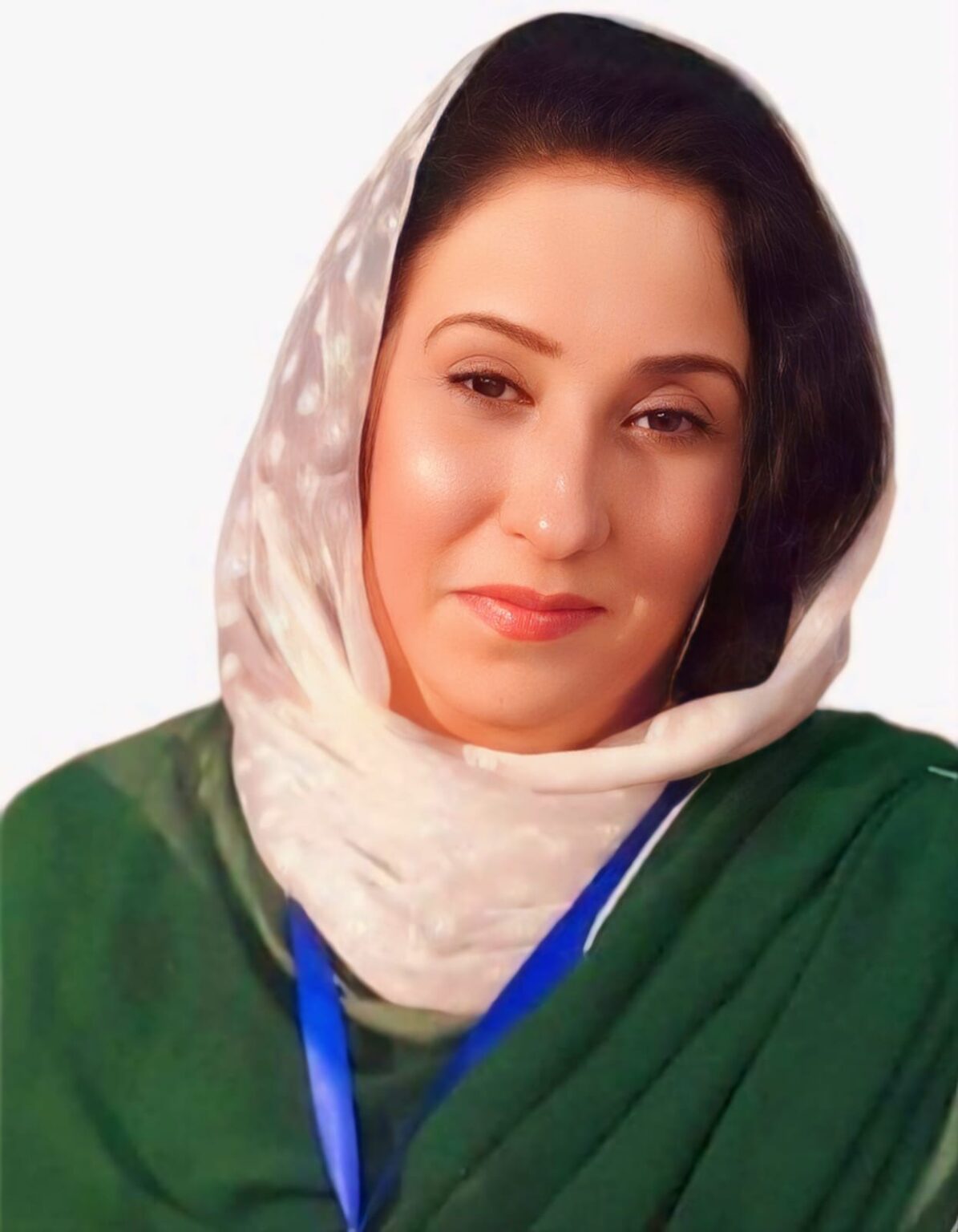
Dr shahida Shaheen sardar
Human society is incomplete without customs and traditions. Passed down from one generation to another, they preserve a nation’s culture, civilization, and identity. They foster order, strengthen relationships, encourage mutual respect, and promote social harmony. However, when traditions begin to overshadow reason, justice, and humanity, they lose their true purpose. Therefore, the real question is not whether traditions should be followed, but rather which traditions deserve to be preserved and which have outlived their usefulness and should be abandoned.
Traditions can be compared to the banks of a river. Riverbanks give the water direction, but if they begin to obstruct its natural flow, the river eventually carves out a new path. Likewise, healthy traditions provide stability to society, while outdated customs become obstacles to progress.
Every nation derives its cultural identity from its customs and traditions. The celebrations of Eid, family gatherings, hospitality, respect for elders, kindness toward the young, standing by one another in times of joy and sorrow, maintaining family ties, collective cooperation, and goodwill are traditions that strengthen the foundations of society. These are not merely customs; they are moral values. Preserving them is, in essence, preserving our cultural heritage and identity.
Yet not every tradition deserves to be followed. Some customs lose their relevance over time, but people continue to observe them simply because of the fear of “What will people say?” This mindset keeps many social evils alive. Extravagant wedding ceremonies, the curse of dowry, unnecessary banquets, expensive gifts, excessive spending in the name of family prestige, elaborate mourning rituals, and living beyond one’s means merely for the sake of appearances are all examples of customs that have transformed occasions of happiness into sources of anxiety.
It is also undeniable that the greatest burden of such customs falls upon the middle class and the poor. Countless parents spend their lifetime savings—or even fall into debt—to marry off their daughters. Many young women remain unmarried because of dowry demands, while countless young people are unable to make choices based on their own aspirations and abilities due to overwhelming social pressure. In this way, traditions cease to be a source of joy and instead become instruments of mental distress and economic exploitation.
Unfortunately, our society often values outward display more than character. We tend to judge people by their clothes, lavish celebrations, and social status rather than by their education, integrity, morality, and competence. Yet the greatness of any society lies in its simplicity, honesty, and human values—not in extravagance and superficial display.
Islam, too, teaches moderation, simplicity, and balance. It made marriage easy and adultery difficult, yet we have made marriage unnecessarily complicated. Islam discourages wastefulness and encourages modesty, while society has come to associate honor and prestige with excessive spending. This contradiction has not only weakened the family system but has also contributed to growing economic hardships.
Urdu literature has consistently challenged such outdated customs. Allama Iqbal championed selfhood, critical thinking, and intellectual renewal, urging people to rise above blind imitation and embrace conscious living. Bano Qudsia emphasized the harmonious balance between tradition and wisdom in her writings, while Ashfaq Ahmed celebrated love, sincerity, simplicity, and compassion as life’s true riches. Writers such as Premchand, Saadat Hasan Manto, and Qudrat Ullah Shahab also explored social contradictions and criticized meaningless customs through their literary works. Literature has always inspired people to think, question, and strive for social reform.
It is equally true that not everything new is good, just as not every old tradition is bad. Blind imitation of Western culture can be as harmful as clinging to obsolete customs. We should neither lose our cultural identity nor treat every inherited tradition as sacred if it conflicts with human dignity. Truly progressive societies are those that preserve their heritage while continually refining it in light of changing times.
What we need today is a collective effort by parents, teachers, religious scholars, writers, intellectuals, and the media to cultivate a society where individuals are respected for their character rather than their outward display. The younger generation must learn to respect tradition, but never at the cost of reason, justice, or human dignity.
The truth is simple: traditions exist for human beings; human beings do not exist for traditions. Customs that promote love, brotherhood, simplicity, respect, ease, and human dignity deserve to be cherished, for they represent the true beauty of society. But traditions that lead to debt, inferiority, mental stress, injustice, or hypocrisy should be reformed or abandoned with wisdom and courage.
Ultimately, a civilized and vibrant nation is one that remains connected to its cultural roots while continuously evaluating its traditions through the lens of reason, justice, compassion, and the demands of the modern world. The true greatness of a society lies not in the number of its customs, but in their meaning, balance, and humanity.
Let us preserve those traditions that spread love, unite hearts, simplify life, and bring people closer together. And let us bid farewell to those customs that promote hatred, arrogance, financial burdens, and artificial displays of status. This is the path toward building a healthy, dignified, and truly progressive society.
