
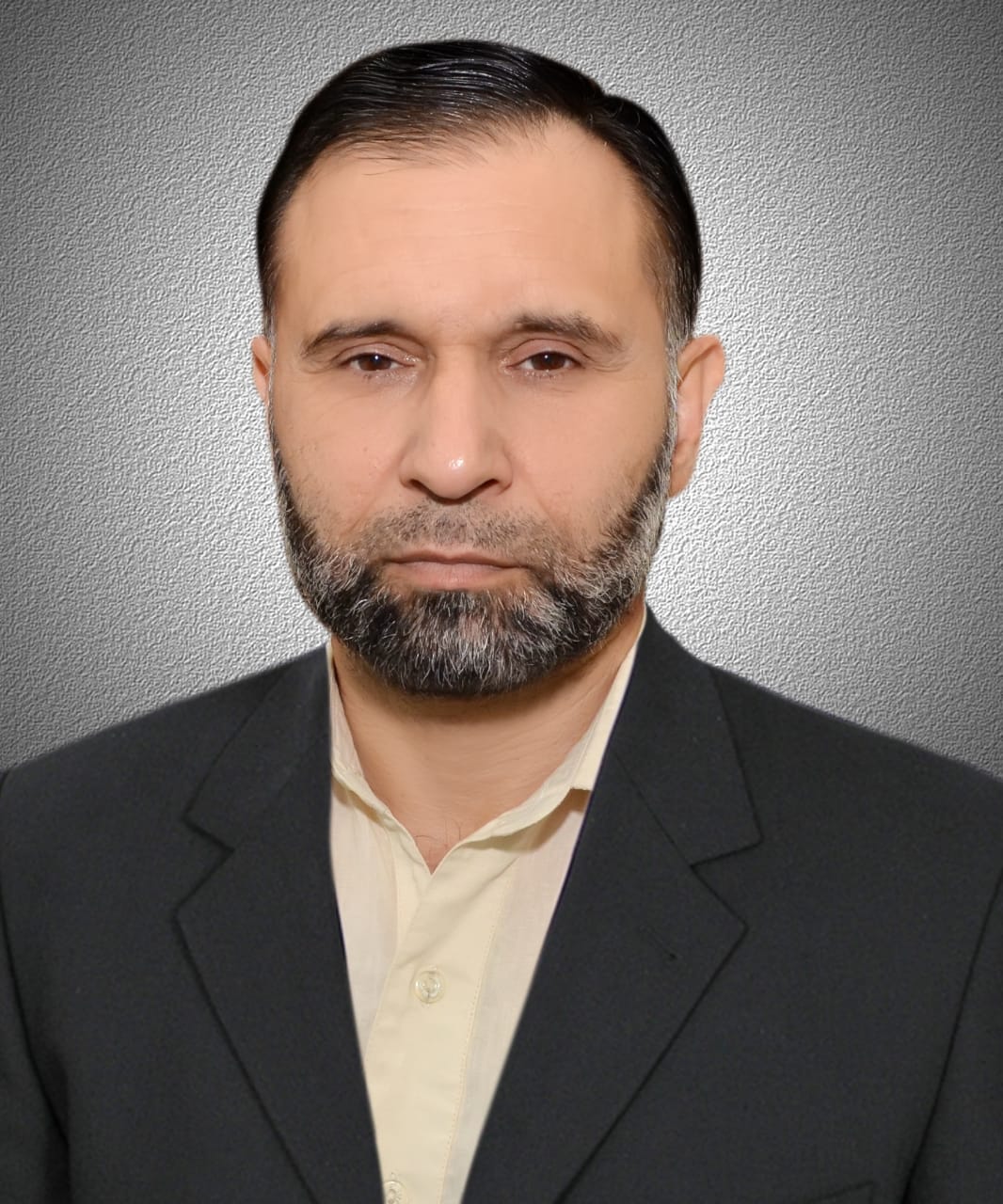
By: Ghulam Hussain Ghazi
The storm of oppression and tyranny in occupied Kashmir shows no sign of abating. This once paradisiacal valley has, over several decades, become the site of an unending narrative of coercion and injustice. Every chapter of this saga is written in the tears, sobs and immortal, sacrifices of the Kashmiri people, sacrifices soaked in bloodshed and devastation. Unarmed civilians, innocent children, blameless youth and secluded women remain trapped in the grip of a system where, under the watchful eyes of millions of armed Indian troops, oppression prevails over law, the rifle over justice and silence over truth.
What is most lamentable is that all of this is happening in full view of the world, yet the global conscience is either paralyzed by expediency or has deliberately chosen to look away. This is criminal silence.
The question arises: why do the grand global claims of human rights, the slogans of democracy wherein the philosophy of freedom become meaningless the moment they reach Kashmir?
The prolonged military siege in Kashmir, extrajudicial killings, enforced disappearances, mass graves, gagging of free expression and deliberate attempts to alter the demographic composition of the region all constitute irrefutable evidence that the Kashmiri people are being systematically deprived of their fundamental human rights.
Media blackouts, internet shutdowns and the arbitrary detention of political leadership serve one single purpose: to prevent the voice of Kashmiris from reaching the outside world.
But if even listening to the cry of the oppressed becomes a crime, then what purpose do the international institutions of justice ultimately serve?
The role of the United Nations stands out here as particularly questionable. The Kashmir issue remains one of the oldest unresolved disputes on the UN agenda. The UN Security Council has passed clear resolutions promising the Kashmiri people the right to self-determination—yet these commitments have never advanced beyond files, statements, and formal resolutions.
When the United Nations itself fails to implement the resolutions it has adopted, it is only natural that questions arise about its impartiality and effectiveness.
Kashmir Solidarity Day, in essence, serves as a reminder to the United Nations that *justice delayed is justice denied*.
The international community has also failed miserably in this test. Regrettably, wherever interests are at stake, principles fall silent. Countries whose parliaments resound with lengthy speeches on human rights suddenly adopt diplomatic muteness the moment Kashmir is mentioned.
This double standard not only weakens global morality but also erodes the trust of oppressed nations in the international system.
If the world genuinely desires peace, it must abandon the practice of turning a blind eye to longstanding conflicts such as Kashmir.
Kashmir Solidarity Day is not merely a single day on the calendar in this context, it is an unfinished covenant. It reminds the international community that the Kashmiri people’s struggle is not a mere territorial dispute; it is a living human issue.
This day demands that the United Nations move beyond ritualistic statements and take concrete action: deploy impartial forces to ascertain facts on the ground and fulfill its responsibility to secure the legitimate rights of the Kashmiri people.
For the people of Pakistan, Kashmir Solidarity Day is both an emotional bond and a moral obligation. Pakistan was founded on the principles of justice and righteousness, therefore the question of remaining silent or indifferent toward Kashmir simply does not arise.
The people of Pakistan have always expressed passionate love and unwavering solidarity with Kashmiris through rallies, seminars, prayers, and diplomatic efforts. Yet the demand of the present moment is that this solidarity should not remain confined to a single day; it must transform into a sustained, conscious movement.
A heavy responsibility also rests on the Government of Pakistan. Raising the Kashmir issue consistently, effectively and with solid argumentation at international forums is not merely a diplomatic formality, it is a national duty.
Diplomacy, legal fronts, communication strategy and the shaping of global public opinion are arenas that require far more serious, coordinated, and persistent effort.
The world must be made to understand that Kashmir is a volcano. A lasting solution is possible only in accordance with the will of the Kashmiri people. No other path can guarantee durable peace in the region.
Today, Kashmir Solidarity Day teaches us this lesson: no matter how powerful the oppressor may be, the voice of truth cannot be permanently silenced.
The sacrifices of the Kashmiri people will not go in vain, provided that global conscience awakens, the United Nations fulfills its responsibilities and Pakistan remains steadfast in its resolve.
The day reminds us that Kashmir is not merely a disputed territory. It is a whip of conscience, an unfulfilled promise and a test whose answer history will continue to demand from all of us until a just and lasting solution is found.
